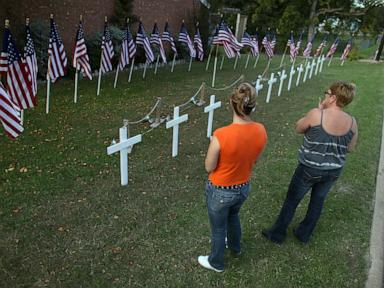
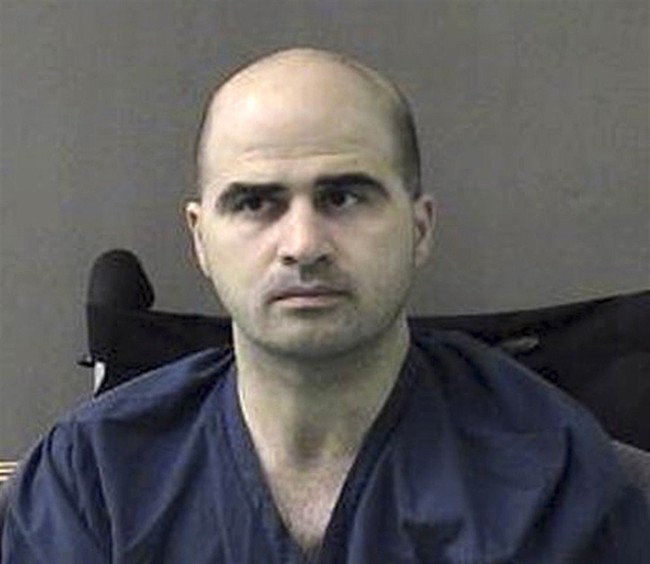
Fort Hood Survivors Barred From Witnessing Hasan Execution
On November 24, three survivors of the 2009 Fort Hood shooting learned that the Army had rejected their last appeal to witness Nidal Hasan’s execution. Hasan was convicted of murdering 13 people and attempting to murder others in the attack, which wounded more than 30. His execution is scheduled for December 3 at Fort Leavenworth, Kansas, where he is imprisoned.
The Army previously said the survivors were ineligible because they were not direct victims of the offenses for which Hasan was convicted. Officials also cited security and limited space in turning down the reconsideration request. A letter from the prison commandant said there would be no further appeal. The survivors argued that military law’s definition of a victim includes people who suffered emotional harm, not only those struck by gunfire.
Retired Colonel Kathy Platoni said she wanted to face Hasan and show that the attack had not defeated her. She had been moved from the building where the shooting began, then helped care for the wounded. Julia Wilson, who was nine months pregnant during the attack, said the Army’s handling of the case had added to her distress. Retired Major C. Alan Hopewell, who testified at Hasan’s trial, said a bullet had missed him and hit his car.
The Army said it had sought to recognize and support victims through the trial, notifications and memorials. A prior plan to stream the execution was dropped after bipartisan opposition. The military has not disclosed details of the firing-squad procedures. The three survivors say they will continue pressing for the shooting to be classified as domestic terrorism rather than workplace violence.
Army Denies Fort Hood Survivors a Voice at Hasan’s Execution
The Army’s refusal to let three Fort Hood survivors witness Nidal Hasan’s execution shows how narrowly military rules can define who counts as a victim. The survivors say their emotional injuries should matter under the military justice code, but officials ruled they were not direct victims of the crimes Hasan was convicted of committing.
Hasan was convicted of killing 13 people and trying to kill others in the 2009 attack, which wounded more than 30. The survivors’ final appeal was denied on November 24, with officials citing security and space limits. A letter from the commandant of the prison where Hasan is held said they could not appeal again. The execution is set for December 3.
Retired Colonel Kathy Platoni described the rejection as a betrayal. She had helped care for wounded colleagues after the attack, and said she wanted to face Hasan. Julia Wilson, who was nine months pregnant at the time, said the military’s handling of the case had deepened her anguish. Retired Major C. Alan Hopewell said a bullet had narrowly missed him and struck his car.
The Army says it has worked to recognize and support victims, but that assurance does not answer the survivors’ central objection: that a rule focused on direct victims excludes people profoundly affected by the violence. A proposed livestream of the execution was abandoned after bipartisan opposition. The three survivors also intend to keep seeking a domestic-terrorism classification for the attack, rather than workplace violence.
Military Rules Govern Who May Witness Hasan’s Execution
The Army has upheld the rules governing who may witness a military execution, rejecting three Fort Hood survivors’ final request to attend Nidal Hasan’s execution. The decision is difficult for the survivors, but officials cited the limits of the witness process, security concerns and restricted space rather than denying that the attack affected them.
Hasan was convicted of killing 13 people and attempting to kill others in the 2009 shooting at Fort Hood, where more than 30 people were wounded. The Army had said the three applicants were not direct victims of the offenses. They argued that military law’s victim definition also covers emotional harm, but the prison commandant’s letter said no further appeal was available. Hasan’s execution is scheduled for December 3.
Retired Colonel Kathy Platoni said she wanted to confront Hasan, and Julia Wilson said the military’s handling of the case had caused her anguish. Retired Major C. Alan Hopewell, who testified at Hasan’s trial, said he was disappointed but would accept the denial; a bullet had missed him and hit his car. The Army says it has sought to support victims through the trial, notifications and memorials.
A plan to livestream the execution was withdrawn after bipartisan backlash, and officials are not releasing details about the firing-squad procedures. The survivors say they will continue seeking a domestic-terrorism designation for the shooting. Their demand deserves consideration, but access to an execution must still be governed by established eligibility and security rules.
Reported by The Philadelphia Inquirer, The Guardian, The Washington Examiner.