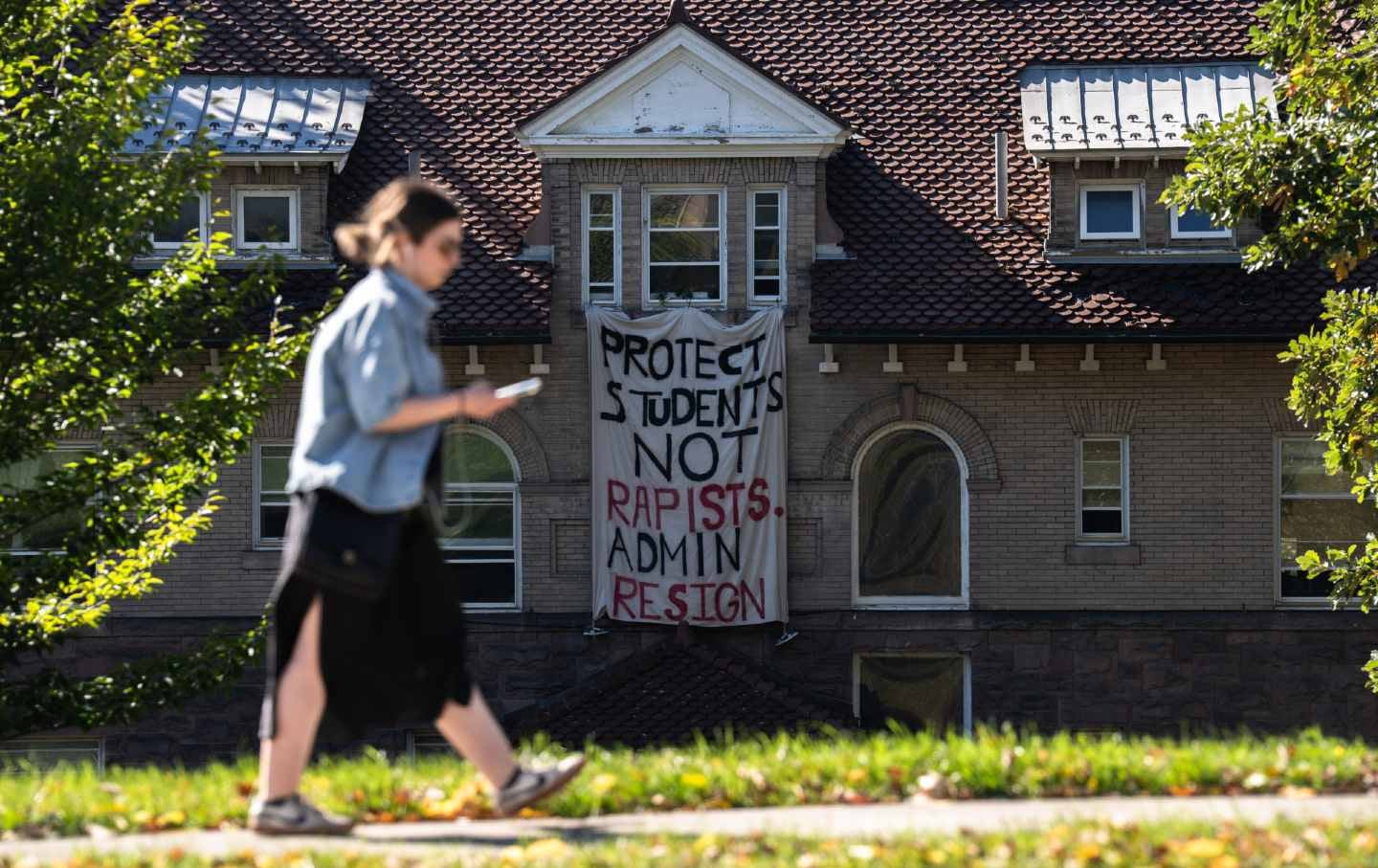
Cornell Students Demand Accountability on Sexual Assault
On November 24, 2026, Cornell students were still pressing university leaders for answers about sexual assault allegations and the school’s response. At a November 16 forum in Call Auditorium, about 100 students questioned President Michael Kotlikoff and other administrators, raising concerns about accountability, investigations and disciplinary policies.
The gathering followed a lawsuit filed two months earlier by a former student identified as Jane Doe. She claims that she was incapacitated and sexually assaulted by multiple people associated with the Chi Phi fraternity in October 2024. The allegations prompted protests and scrutiny of Cornell’s handling of sexual misconduct cases.
On November 6, the Faculty Senate voted that it lacked trust in the administration’s capacity to respond to sexual assault. On November 19, the Student Assembly passed a resolution calling for an undergraduate no-confidence vote, open through December 7.
At the forum, students questioned whether an independent review led by former U.S. deputy attorney general Sally Yates could be impartial, since Cornell’s Board of Trustees retained her. Kotlikoff said the review would assess whether mistakes had occurred and identify needed reforms. Some students said another investigation was not a substitute for immediate accountability.
Students also challenged differences between the university’s handling of protest-related conduct and sexual misconduct allegations. One student cited university data showing 1,216 sexual violence reports from 2018 to 2024, with 14 cases resulting in suspension and seven in expulsion or dismissal. Kotlikoff initially replied that he did not know how to answer.
A separate legal analysis argues that federal Title IX protections have weakened, pointing to the Trump administration’s 2020 regulations, which remain in effect after courts blocked the Biden administration’s 2024 replacement. The rules require an adversarial hearing model at colleges, the author says, which can deter survivors from pursuing complaints. The analysis also says other legal routes remain available for survivors seeking to hold schools accountable.
Cornell Students Expose the Cost of Weakened Title IX Protections
On November 24, 2026, Cornell students were demanding more than promises of reform: they wanted accountability for the university’s handling of sexual assault allegations. At a November 16 forum, about 100 students questioned President Michael Kotlikoff and administrators about investigations, discipline and the gap between the university’s stated commitment to trust and students’ experience.
The scrutiny followed a former student’s legal complaint claiming that she was incapacitated and sexually assaulted by Chi Phi fraternity members in October 2024. Faculty senators voted that they lacked trust in the administration’s capacity to respond to sexual assault on November 6, and the Student Assembly later approved a resolution for an undergraduate no-confidence vote, open through December 7.
Students questioned the independence of a review led by Sally Yates, retained by Cornell’s trustees, and challenged the administration’s reliance on investigations rather than specific action. One student pointed to 1,216 reports of sexual violence between 2018 and 2024, but only 14 suspensions and seven expulsions or dismissals.
The broader policy stakes are stark. A legal analysis says the Trump administration’s 2020 Title IX regulations, now back in effect after courts blocked the Biden administration’s replacement, force colleges into an adversarial hearing process that can retraumatize survivors or discourage them from pursuing cases. The same rules, the author argues, give schools more room to respond inadequately. Students’ frustration reflects the consequences of a system that promises protection but can leave survivors without meaningful recourse.
Cornell’s Sexual Assault Crisis Demands Fair Process and Answers
On November 24, 2026, Cornell students were demanding answers from administrators over sexual assault allegations and the university’s response. About 100 students challenged President Michael Kotlikoff at a November 16 forum, questioning investigations, discipline and whether the administration had earned their trust.
The controversy follows a former student’s lawsuit alleging she was incapacitated and sexually assaulted by Chi Phi fraternity members in October 2024. Faculty senators voted that they lacked trust in the administration’s capacity to respond to sexual assault, and the Student Assembly approved an undergraduate no-confidence vote, open through December 7.
Students questioned whether an independent review led by Sally Yates could be impartial because Cornell’s Board of Trustees retained her. Kotlikoff said the review would determine if errors had occurred and pinpoint reforms. Students also contrasted university action in protest-related conduct cases with the handling of sexual misconduct allegations, citing figures of 1,216 reports from 2018 to 2024, 14 suspensions and seven expulsions or dismissals.
The policy debate should not be reduced to a demand for punishment before a fair process. A legal analysis notes that critics of earlier Title IX changes saw them as protecting survivors at the expense of due process, while the 2020 Trump regulations require an adversarial hearing model at colleges. The challenge is to respond to sexual violence effectively without abandoning fair procedures. Cornell’s review and students’ demands now put that balance under intense scrutiny.
Reported by The Nation, Vox.





