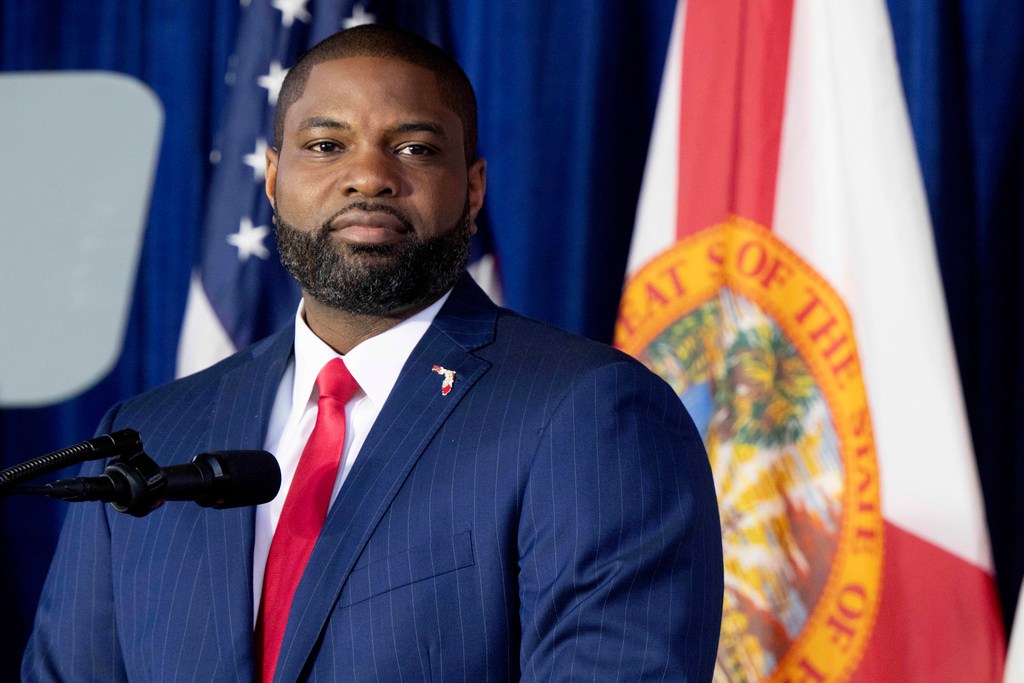
Donalds Signals an Affordability Focus as Florida Governor-Elect
Byron Donalds, a Republican congressman and Florida’s governor-elect, is preparing to take office in Tallahassee on January 5. He will be the state’s first Black governor. Donalds won about 50% of the vote on November 3, defeating Democrat David Jolly by roughly 1.5 percentage points. Jolly won in Miami-Dade, Broward, Hillsborough and Orange counties.
Donalds campaigned on continuing much of Ron DeSantis’ agenda, including on immigration, public safety and education. But Donalds has also emphasized affordability, saying his administration will seek to lower insurance costs, develop the workforce and support a strong economy. His transition team announced eight new members on November 20.
Political analysts expect more difference in emphasis and governing style than in core policy. One University of Central Florida professor said Donalds may place more emphasis on affordability and education changes, and less on cultural battles, than DeSantis. A Florida Atlantic University professor pointed to Donalds’ interest in energy and data centers and said how he works with lawmakers and handles local disputes will matter.
DeSantis’ tenure featured disputes over immigration, classroom instruction, LGBTQ+ issues and diversity, equity and inclusion programs. A University of Florida professor said Donalds will need to show continuity on economic and law-enforcement policies while distinguishing himself on legislation that has drawn backlash.
The election results offered a contrast with DeSantis’ 2022 victory, when he won by more than 19 points. Donalds takes office amid a closely divided Florida electorate, and his approach to affordability and collaboration with the legislature will help shape how his administration is judged.
Donalds Has a Narrow Mandate to Put Affordability Before Culture Wars
Florida voters gave Byron Donalds a narrow victory, not the sweeping endorsement Ron DeSantis secured four years ago. Donalds won about 50% of the vote on November 3, beating Democrat David Jolly by roughly 1.5 points. Jolly prevailed in Miami-Dade, Broward, Hillsborough and Orange counties. Donalds, the state’s first Black governor, is due to take office on January 5.
The governor-elect has said his administration will make Florida more affordable, with plans to address insurance costs, workforce development and the economy. That focus is a notable contrast with DeSantis’ high-profile fights over classroom instruction, LGBTQ+ issues and diversity, equity and inclusion programs.
A University of Central Florida political science professor expects Donalds to give greater weight to affordability and education changes and less attention to cultural disputes. A University of Florida professor has also warned that Donalds must distinguish himself from policies that have prompted public backlash while demonstrating continuity on economic and law-enforcement priorities.
Donalds campaigned on extending much of DeSantis’ agenda, including on immigration and public safety. But winning narrowly after DeSantis’ 19-point margin in 2022 gives the incoming governor a reason to listen beyond the loudest political fights. His stated affordability priorities will be tested as he takes office and works with the legislature. The question is whether his administration can deliver practical help without reproducing the disputes that marked DeSantis’ tenure.
Donalds Can Build on DeSantis’ Record While Delivering Affordability
Florida voters chose Republican Byron Donalds as their next governor, and he has pledged to make the state more affordable while continuing policies that have defined Ron DeSantis’ administration. Donalds won about 50% of the vote on November 3, beating Democrat David Jolly by roughly 1.5 points. He is set to take office on January 5 as Florida’s first Black governor.
Donalds has emphasized lower insurance costs, workforce development and economic growth. His campaign also backed securing borders, public safety and opposition to taxpayer support for illegal immigration. Those priorities overlap with DeSantis’ agenda, which the governor-elect campaigned on continuing.
The incoming governor can now show that affordability and conservative governance need not be competing goals. A Florida Atlantic University political science professor noted that the two Republicans share ground on issues including immigration, taxes, school choice and regulation, while differences may emerge in style and emphasis. The professor also pointed to Donalds’ interest in energy and data centers.
Some observers expect Donalds to spend less time on culture-war issues than DeSantis and to work more collaboratively with lawmakers. Yet the election does not erase the policy choices that brought Florida’s law-and-order approach and education fights to the fore. Donalds will take office with a narrow win and a transition team already taking shape. His task is to carry forward the policies he supported while making good on his promise to improve affordability for Floridians.
Reported by Newsweek, The Washington Examiner.





