Thune Faces a Senate Minority and a Changing GOP
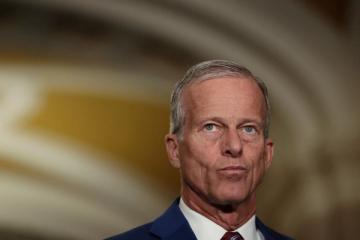
On November 24, John Thune described a Republican Party confronting a difficult midterm defeat and a shift in its role in the Senate. With Democrats set to take control, Thune will need to keep Republicans aligned in opposition while the party weighs its future beyond Donald Trump’s leadership. He said Republicans must learn from their losses and reconnect with voters concerned about the cost of living.
Thune is urging Republican senators to make plans for reelection early, following open-seat losses in Iowa and North Carolina. He has spoken with Wisconsin Sen. Ron Johnson, who has not decided whether to run again, and said Iowa Sen. Chuck Grassley would decide for himself. Thune is also leaning toward seeking another six-year term in South Dakota in 2028.
The minority leader expects divisions over Trump’s tariffs and the conflict with Iran. He said senators may increasingly take their own positions on Iran, after many had given the president latitude. Thune also anticipates possible bipartisan work on artificial intelligence rules, while hoping Republicans hold together where they can.
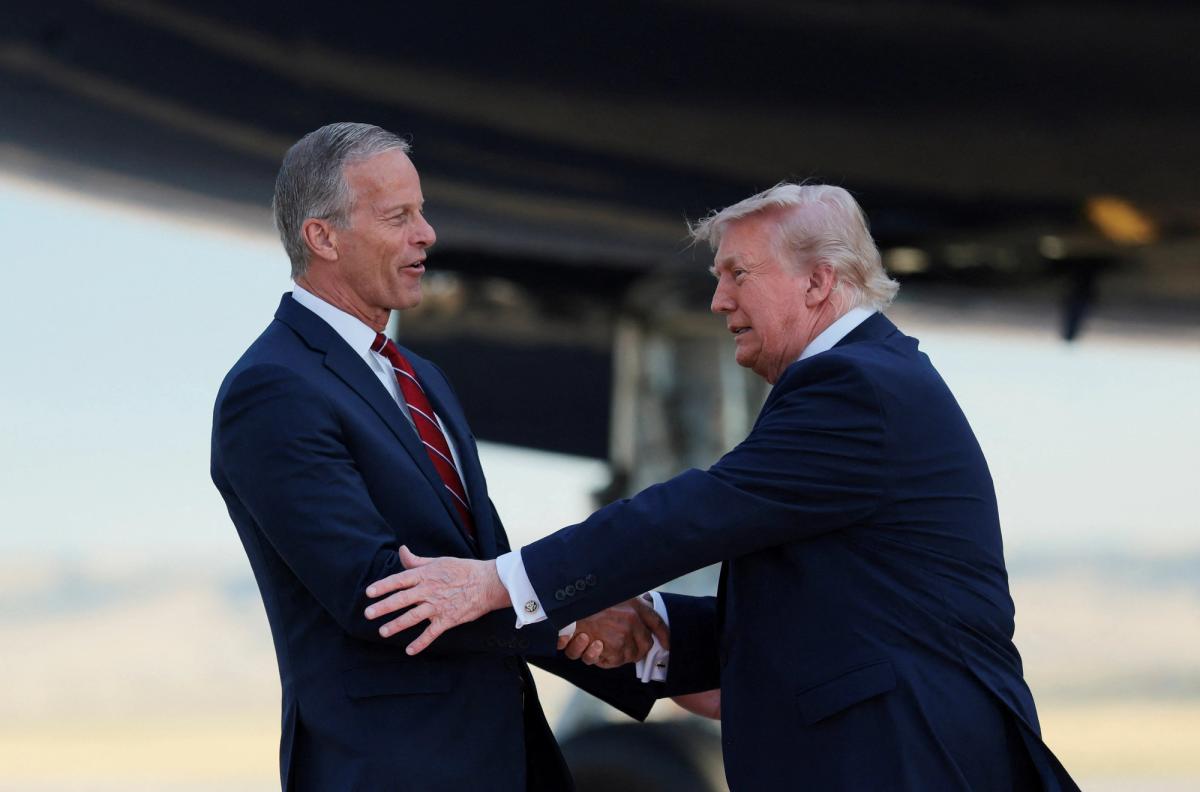
On health policy, Thune opposes Democratic efforts to reverse Medicaid work requirements and planned reductions to provider taxes included in last year’s Republican tax legislation. With only a small number of Republican defections potentially enough to send legislation to Trump, maintaining unity could be difficult. Thune has previously clashed with Trump, but the two recently spoke amicably, and Trump has praised him. Thune said he is preparing for his own reelection campaign and does not take victory for granted.
Thune’s Post-Midterm Plan Keeps Trump’s Policies in Place
On November 24, Republican leader John Thune acknowledged that his party suffered a major midterm setback and needs to win back voters concerned about living costs. But his proposed reset offers little distance from the policies that Democrats will challenge as Republicans enter the Senate minority.
Thune opposes Democratic efforts to undo Medicaid work requirements and planned provider-tax reductions in last year’s Republican tax legislation. He hopes Republicans will stand together to protect those changes, even though a handful of defections could be enough to send bills to President Donald Trump. The stakes are clear: the party’s minority leader is preparing to defend the administration’s agenda, not abandon it after voters rejected Republicans at the polls.
On Iran, Thune acknowledged that GOP senators may become more willing to form their own views, after giving Trump broad latitude. Yet Republicans recently blocked a war powers resolution that would have pressed Trump to end the conflict or seek congressional authorization. Thune’s acknowledgment of possible dissent does not itself amount to a change in course.
He sees room to work with Democrats on artificial intelligence rules, but described that as a limited area for cooperation. Meanwhile, he is pushing senators to plan for reelection after GOP open-seat losses in Iowa and North Carolina. Thune is leaning toward running again in South Dakota in 2028, while facing the larger challenge of persuading voters that a party still committed to its existing policies has learned from defeat.
Thune Offers Republicans a Path to Rebuild Without Abandoning Trump
On November 24, John Thune laid out a case for Republicans to regroup after their midterm losses without discarding the priorities voters sent them to advance. The party’s coming minority status will require discipline, he said, and Republicans must reconnect with people worried about the cost of living.
Thune is right to prepare for the fights ahead rather than let Democrats dismantle Republican policies by default. He opposes efforts to remove Medicaid work requirements and reverse planned provider-tax reductions in the GOP’s tax legislation. With just a few Republican defections potentially enough to send bills to President Donald Trump, keeping the caucus together will matter.
The party may not agree on every issue. Thune expects more senators to stake out their own positions on Iran, where Republicans have so far given Trump latitude. He also anticipates bipartisan cooperation on artificial intelligence regulation, while urging Republicans to hold the line on other matters. That balance reflects the challenge of representing states with different views without surrendering the party’s core agenda.
Thune is also pressing colleagues to make reelection decisions early, after open-seat losses in Iowa and North Carolina. He has discussed Wisconsin Sen. Ron Johnson’s plans and says Iowa Sen. Chuck Grassley will decide whether to run. Thune himself is leaning toward another Senate campaign in 2028. His task is to rebuild the coalition, sharpen the party’s message and make the case for its policies while Trump remains a powerful force in Republican politics.
Reported by Semafor, The New Republic.