Florida Floods Set River Record as DeSantis Seeks Federal Aid
The river’s level topped its previous record of 12.67 feet, set in 2022, and was expected to remain near its crest before slowly declining. The St. Johns flows across a flat landscape, where water can take weeks to crest and recede after heavy rainfall, the river management district said.
DeSantis said in West Melbourne on November 23 that Florida was collecting damage information for another Major Disaster Declaration request. The state’s first request, submitted on November 9, had not yet received presidential approval. A declaration could provide recovery funding to local governments and potentially assistance to people whose homes were damaged or made uninhabitable.
The flooding followed days of heavy rain, with as much as 20 inches reported in some areas over the past week. Nearly 500 floodwater rescues have been conducted, and state teams have placed over 10,000 feet of temporary barriers. Crews have also helped clean more than 250 properties, while resource centers have assisted over 1,600 residents.
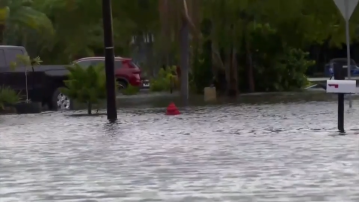
Flooding closed roads, schools, parks and events. In Sanford, water covered parts of Seminole Boulevard, while residents on Stone Island used boats to reach dry areas. The state has deployed emergency personnel and equipment, distributed supplies and opened temporary accommodation through its Emergency RV program for eligible households displaced from their homes.
Further flooding remains possible. Coastal communities face exceptionally high tides on Wednesday and Thursday mornings, and rain forecast from Tuesday night could worsen conditions if a storm moves inland. The National Weather Service has also issued flood watches for several counties, with additional rain expected in parts of Florida.
Florida’s Flooded Communities Need Federal Disaster Aid
Florida’s flooded communities are confronting another round of damage while the state awaits action on its first federal disaster request. On November 23, DeSantis said his administration was gathering the documentation needed to seek a second Major Disaster Declaration after the latest flooding.
The St. Johns River above Lake Harney reached 13.11 feet, surpassing its 2022 record. Heavy rain has also swamped neighborhoods and roads, prompted nearly 500 water rescues and left some residents facing another costly cleanup only weeks after earlier floods.
State crews have installed more than 10,000 feet of flood barriers and helped clean more than 250 properties. Resource centers have served over 1,600 residents. But the governor cautioned that federal assistance, if approved, would not cover every homeowner’s losses. A declaration could help local governments with recovery costs and could open individual assistance to eligible residents.
More rain and exceptionally high tides threaten coastal communities in the coming days. The timing underscores why disaster aid matters: communities are still dealing with the last floods as new water risks arrive, while the first federal request remains undecided.
Florida Seeks Federal Flood Aid Before First Request Is Approved
Florida Gov. Ron DeSantis is preparing another request for federal disaster assistance as the state continues to document flood damage. The first request, submitted on November 9, had not received presidential approval when DeSantis announced the next appeal on November 23.
The St. Johns River above Lake Harney set a record at 13.11 feet, and flooding has triggered nearly 500 rescues. State teams have deployed equipment, installed more than 10,000 feet of temporary barriers and helped clean over 250 properties. A second declaration could support local recovery costs and make individual aid available to qualifying residents.
Yet federal assistance is not a guarantee of full compensation. DeSantis said homeowners should not expect Washington to pay every dollar of their losses. Residents forced from their homes may also qualify for temporary accommodation through Florida’s Emergency RV program.
The immediate challenge is continuing: high tides could inundate coastal areas Wednesday and Thursday, while another storm may bring rain beginning Tuesday night. Florida is preparing for more impacts even as its earlier federal request remains unresolved.
Reported by Newsweek, Daily Mail US.