Vance and Rubio Hold Separate Talks With Qatar’s Prime Minister
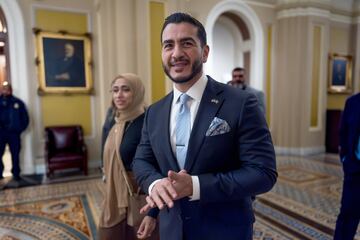
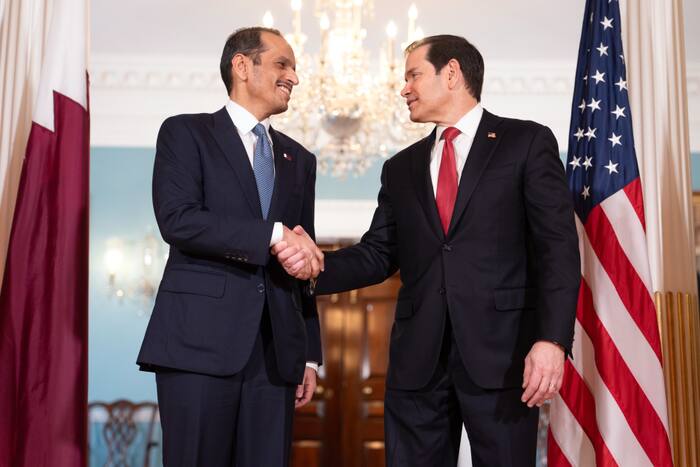
Qatar’s head of government, Sheikh Mohammed bin Abdulrahman Al Thani, met Vance at the White House and held separate talks with Rubio on November 23. The meetings came as Qatar pressed the United States and Iran to resume negotiations over the conflict, which has lasted nearly nine months.
Rubio and Al Thani also opened the eighth U.S.-Qatar Strategic Dialogue, which covers regional security and economic ties. The State Department said Rubio thanked Qatar for its mediation and emphasized continued coordination to promote stability and security in the Middle East. A joint statement described discussions on shared priorities but announced no new policy direction.
Qatar has pursued contacts with both sides in recent days. Al Thani and envoy Ali al-Thawadi met with U.S. representatives Steve Witkoff and Jared Kushner in Berlin on November 19, and a Qatari delegation held talks in Tehran the following night. Iran’s Deputy Foreign Minister Kazem Gharibabadi said Tehran remained in contact with mediators about ending the conflict.
Iranian Foreign Minister Abbas Araghchi said Tehran was proposing steps to bring back a ceasefire, reopen the Strait of Hormuz and restart nuclear talks. He said Iran wanted the U.S. naval blockade ended, sanctions waivers for oil sales and frozen funds released. The sides remain divided over Iran’s enriched uranium: Washington wants the stockpile eliminated, while Araghchi said Iran would insist on keeping it inside the country.
President Donald Trump has said he does not see a need to resume major military operations, while the U.S. blockade remains in place. Qatar’s prime minister has warned that the region cannot withstand another escalation.
Qatar Pushes Diplomacy as Trump Leaves Iran Policy Unclear
Qatar’s prime minister held individual meetings in Washington on November 23 with Vice President JD Vance and Marco Rubio, who heads the State Department, as the Gulf nation worked to bring the United States and Iran back to negotiations. The talks come as the conflict nears nine months and regional allies worry about a return to all-out war.
Trump has said the administration does not need a deal with Iran, while the U.S. continues its naval blockade of Iranian shipping through the Strait of Hormuz. His shifting signals leave uncertainty hanging over diplomacy and the risk of renewed military escalation. Trump has also said he does not see a need to resume major operations.
Qatar’s efforts have included meetings with U.S. envoys in Berlin and a delegation’s talks in Tehran. Iran says it is proposing a ceasefire, reopening the Strait and resuming nuclear negotiations, alongside demands for the blockade to end, oil sales under sanctions waivers and frozen funds to be released.
The core nuclear dispute remains unresolved. Washington wants Iran’s enriched uranium stockpile eliminated; Tehran says it will insist on keeping the material inside Iran. Rubio praised Qatar’s mediation and called for close coordination, but the U.S.-Qatar dialogue announced no new policy direction. Qatar’s prime minister has warned that the region cannot withstand another escalation.
Vance Meets Qatar as Iran Deal Remains on Washington’s Terms
The U.S. vice president, JD Vance, and State Department chief Marco Rubio each met with Qatar’s prime minister in Washington on November 23, as Doha sought to restart negotiations with Iran. The meetings came during the eighth U.S.-Qatar Strategic Dialogue, which included regional security discussions and no announced change in policy.
The administration has maintained restrictions on Iranian vessels using the Strait of Hormuz, a vital route for global energy trade. President Donald Trump has said Tehran wants an agreement but not one acceptable to him, and that Washington wants a real deal. He has also said major military operations need not resume.
Iran’s proposed terms include ending the U.S. blockade, allowing oil sales under sanctions waivers and releasing frozen funds. Tehran also wants to reopen the Strait and restart nuclear talks. The central disagreement over enriched uranium remains: Washington wants Iran’s stockpile eliminated, while Iranian Foreign Minister Abbas Araghchi says his country will insist on retaining the material inside Iran.
Qatar is mediating between the sides, with recent contacts in Berlin and Tehran as well as Washington. Rubio thanked Doha for its mediation and emphasized coordination to deter threats and support regional security. Any negotiations must address the unresolved nuclear dispute alongside the ceasefire and shipping questions.