Lawsuit challenges SNAP food restrictions in 18 states
On November 23, a legal challenge to restrictions on SNAP purchases was drawing attention to a conflict between the Trump administration’s nutrition goals and recipients’ reported health needs. The lawsuit, lodged with a Washington, D.C., federal court, contests state restrictions on soda, candy and other products in 18 states.
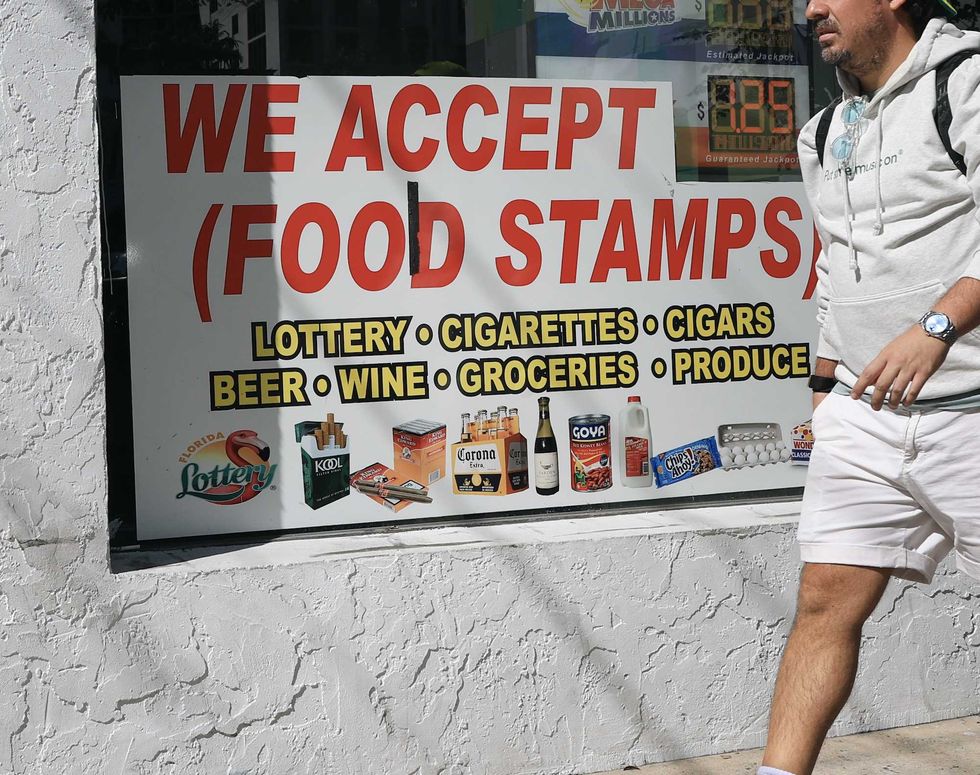
A nonprofit legal-advocacy group brought the case for SNAP recipients. It argues that the U.S. Department of Agriculture lacked authority to approve the rules through state waivers, and that the restrictions disrupt the program’s established food-purchase rules. The restrictions differ by state: Florida’s include soda, energy drinks, candy and prepared desserts, while Hawaii’s apply to soft drinks.
The complaint describes recipients who say restricted products help them manage health conditions or meet practical needs. One Idaho plaintiff with several chronic conditions relies on electrolyte drinks and easy-to-eat foods, including some bars. The suit says her health worsened after the rules took effect. An Oklahoma plaintiff living in a hotel without a kitchen says soda helps relieve symptoms linked to an upper gastrointestinal condition.
Federal officials argue the limits can improve nutrition and help combat chronic disease by steering taxpayer-funded benefits away from sugary products. The lawsuit’s plaintiffs contend the rules can instead impede people with particular medical needs and create confusion for recipients and retailers.
A federal judge blocked similar restrictions in West Virginia, Iowa, Colorado, Nebraska and Tennessee in June, finding the USDA lacked authority under existing law to approve those states’ requests. The administration appealed that decision in August. The new case seeks to overturn restrictions in 18 other states, including Arkansas, Florida, Texas and Virginia.
SNAP lawsuit puts vulnerable recipients’ health at stake
On November 23, a new lawsuit challenged restrictions on SNAP purchases in 18 states, arguing that the Trump administration’s effort to reshape the food benefit can harm people with medical needs. The case, brought by a nonprofit legal-advocacy organization, says the Agriculture Department exceeded its authority by approving state restrictions through waivers.
The complaint describes recipients who rely on products now restricted in their states. An Idaho plaintiff with multiple chronic conditions uses electrolyte drinks and easy-to-eat foods, including some nutrition and granola bars. The suit says she has experienced dehydration and worsening health since the waiver took effect. An Oklahoma plaintiff who lives in a hotel without a kitchen says soda helps ease symptoms from an upper gastrointestinal condition.
The federal government presents the rules as a way to promote healthier diets and fight chronic disease. But a blanket limit on what recipients can buy can disregard how people with disabilities and illnesses manage their daily needs, the plaintiffs argue. The restrictions also vary from state to state, adding complexity for shoppers and retailers.
A judge blocked comparable rules in five states in June, ruling that the USDA lacked authority under existing law to approve those waivers. The administration appealed in August. The new lawsuit seeks to stop restrictions in 18 more states, extending the legal fight over whether federal officials can use SNAP rules to police recipients’ food choices.
Lawsuit seeks to restore SNAP purchases of soda and candy
On November 23, a lawsuit brought by a nonprofit legal-advocacy organization challenged limits on SNAP purchases in 18 states, including restrictions on soda and candy. The case seeks to block rules backed by the Trump administration to keep taxpayer-funded food assistance from paying for products officials link to chronic disease.
Federal officials say the limits put nutritious food at the center of SNAP and give states a role in promoting public health. The restrictions vary across states: Florida bars purchases of soda, energy drinks, candy and prepared desserts, while Hawaii’s rules cover soft drinks.
The plaintiffs argue that the Agriculture Department had no legal authority to approve the limits through waivers. They also say certain restricted products are important for some recipients’ medical needs. The lawsuit describes an Idaho woman with chronic conditions who relies on electrolyte drinks and easy-to-eat foods, as well as an Oklahoma plaintiff who says soda helps with gastrointestinal symptoms.
A federal judge blocked similar restrictions in five states in June, finding that the USDA lacked authority under existing law to approve those waivers. The administration appealed in August. The new case seeks the same outcome in 18 additional states, placing the administration’s effort to change SNAP purchases under renewed legal challenge.
Reported by Newsweek, The Blaze.