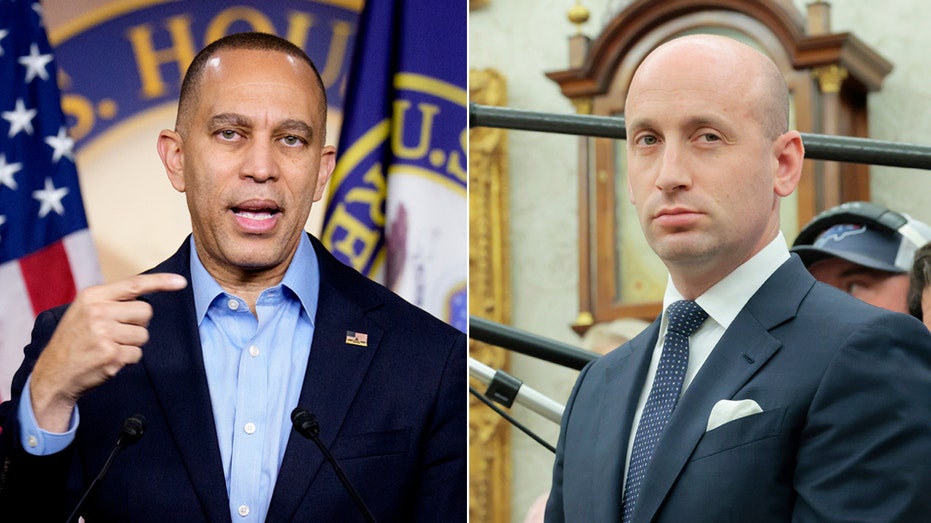
Jeffries Rejects Direct Talks With Miller, Keeps Door Open to Trump
Jeffries, who is expected to become House speaker in January, said in a New York Times interview published November 21 that he would not sit down with Miller. Jeffries called the chief of staff a “stone-cold racist” and blamed him for shaping what he described as Trump’s violent mass deportation effort, which he said had brought cruelty, chaos and deaths.
The dispute comes as Democrats prepare to lead the House and negotiate with the Trump administration on legislation. Jeffries said his refusal to meet Miller was not a boycott of the White House. He said he could contact Trump directly or raise issues with Vice President JD Vance and other officials. Jeffries has also communicated with Secretary of State Marco Rubio and Treasury Secretary Scott Bessent, though he said he disagreed with the administration’s Cabinet members.
White House spokeswoman Taylor Rogers defended Miller, saying he had worked on bipartisan efforts involving public safety, drug-price transparency and nuclear energy. Trump has defended Miller’s approach to border security and praised Jeffries as smart and reasonable. Jeffries has said he is willing to work with politicians from both parties to advance legislation, despite ruling out direct talks with Miller.
Jeffries Draws a Line Against Miller’s Deportation Agenda
Jeffries is drawing a clear distinction: he will not normalize direct dealings with Stephen Miller, whom he called a “stone-cold racist,” but he is still prepared to speak with President Donald Trump and other officials. In an interview published November 21, the incoming House speaker linked Miller to an immigration crackdown he said has produced cruelty, chaos and deaths.
That boundary matters as Democrats prepare to lead the House and negotiate with the White House over legislation. Jeffries said he could communicate with Trump directly or use Vice President JD Vance and Cabinet officials as channels. He also said the refusal to meet Miller is not a boycott of the administration.
The White House defended Miller by pointing to his work on public safety, drug-price transparency and nuclear energy. But those claims do not address Jeffries’ central criticism: Miller’s role in the deportation agenda. Jeffries says he will work across party lines for the public, while declining to treat the architect of that policy as an acceptable negotiating partner.
Jeffries Rejects Miller While Democrats Face Need to Govern
Jeffries is entering the speakership with a refusal to meet directly with Stephen Miller, the White House chief of staff, whom he labeled a “stone-cold racist.” The incoming speaker says Miller’s role in Trump’s deportation effort makes him an unacceptable partner, but the House will still have to confront practical negotiations with the administration.
Jeffries says he remains willing to speak with Trump, Vice President JD Vance or other officials, and insists his stance is not a boycott. The White House, meanwhile, argues Miller has helped advance bipartisan work on public safety, drug-price transparency and nuclear energy. Trump has defended Miller’s emphasis on border security and described Jeffries as reasonable.
The stakes are not just personal. Democrats are preparing to lead the House and will need to negotiate legislation with a president who can veto bills. Jeffries promises cooperation across party lines, but refusing the administration’s chief of staff risks narrowing a channel for talks just as the parties face major policy and spending decisions.
Reported by Fox News, PJ Media, Twitchy.