Suspected Drone Strike Sets Russian Vessel Ablaze in Benghazi
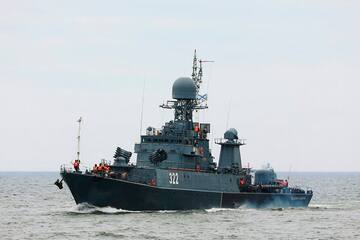
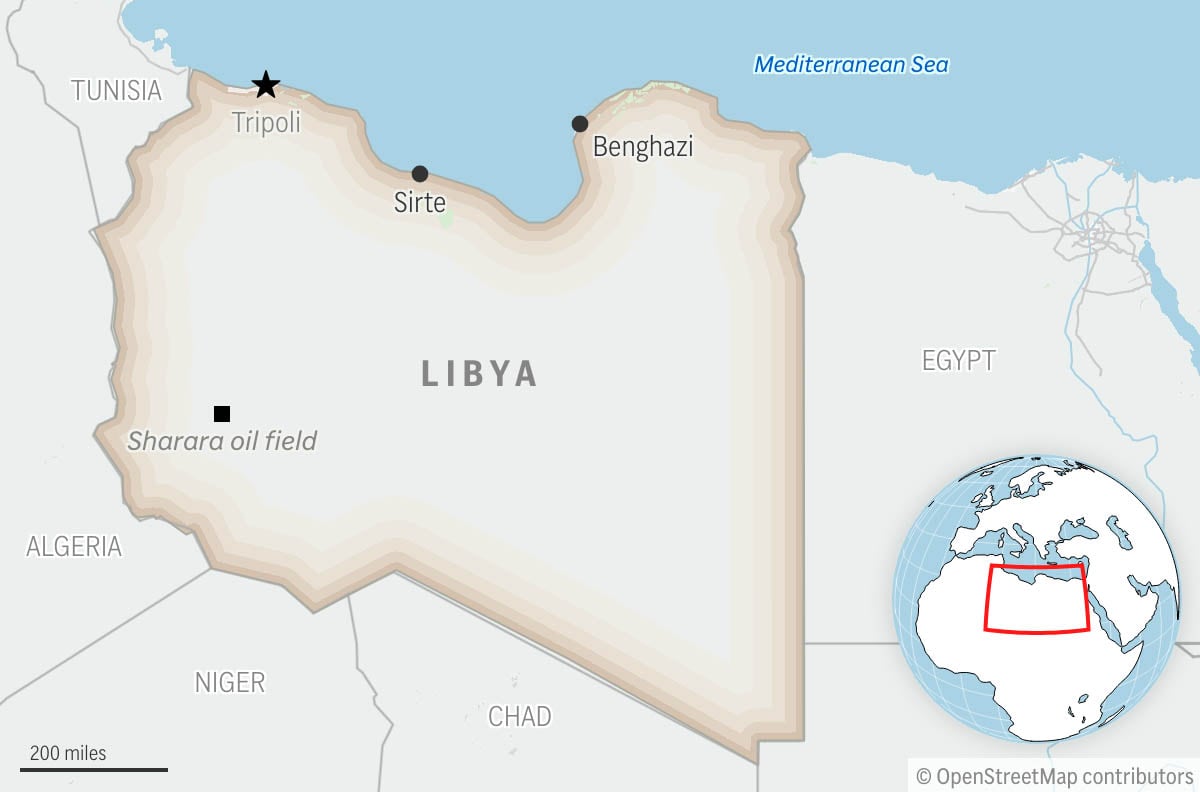
The vessel was docked at the Benghazi naval base for fuel and supplies under a maritime cooperation agreement between Russia and the eastern Libyan administration, which said it was due to return to Russia. The administration did not identify the ship or say what it was carrying. Smoke rose from the port area, and the suspected strike triggered an explosion and fire, officials said.
Libya’s eastern-based authorities said they were investigating with Russia to establish what happened and who was responsible. Russia had not immediately commented, and no group or country had claimed responsibility for the suspected attack.
The incident follows a suspected sea-drone attack in March on a Russian tanker in the Mediterranean in waters near Malta. Libyan authorities said then that Ukrainian forces operating in western Libya had struck the vessel. A separate Russian ship was hit by drones in the Baltic Sea on November 21; Finland’s military said Ukraine was likely responsible for that attack.
Libya has had rival administrations in the east and Tripoli since the 2011 uprising that toppled Moammar Gadhafi. The country remains a site of rivalry between Russia and Western countries. The investigation into the Benghazi incident is continuing.
Unclaimed Benghazi Strike Puts Libya’s Russian Ties Under Scrutiny
A Russian vessel docked for fuel and supplies at a naval base in Benghazi was hit in a suspected sea-drone attack, setting off an explosion and fire. The eastern Libyan administration said the ship was there under a cooperation agreement and planned to return to Russia.
The attack comes amid a wider contest over Russia’s role in Libya, a country divided between rival administrations since 2011. The ship’s presence under a maritime cooperation deal makes the Benghazi strike more than a port incident: it highlights the security stakes of Russia’s relationship with the eastern authorities.
Officials from the eastern administration and Russia have launched a joint investigation, but the ship’s identity and cargo were not disclosed. Russia had not immediately commented, and no group or country had claimed the attack. The investigation will have to establish who carried it out and what happened.
A Russian tanker was also hit in a suspected drone attack in the Mediterranean in March, which Libyan officials at the time attributed to Ukrainian forces operating in western Libya. Finland’s military said Ukraine was likely behind a separate drone attack on a Russian ship in the Baltic Sea on November 21. Those incidents underscore the reach of the conflict around Russian vessels, while responsibility for Benghazi remains unconfirmed.
Attack on Russian Ship in Libya Demands a Clear Investigation
A Russian ship docked for refueling and supplies in Benghazi was struck in a suspected drone attack, causing an explosion and fire. The eastern Libyan administration said the vessel was operating under a cooperation agreement and was expected to return to Russia.
The priority now is to determine who was behind the attack. The eastern authorities have begun a joint investigation with Russia, but have not identified the vessel or its cargo. Russia had not immediately commented, and no group or nation had claimed responsibility. Conclusions should wait for the investigation rather than be assumed.
The attack took place in a country split between rival administrations, against the backdrop of a long-running rivalry between Russia and Western countries. That makes an evidence-based account of the strike especially important: Libya’s security should not be reduced to competing claims about foreign influence.
There have been other recent attacks on Russian vessels. Libyan officials said Ukrainian forces were responsible for a suspected sea-drone strike on a Russian tanker in March, while Finland’s military said Ukraine was likely behind a drone attack on a Russian ship in the Baltic Sea on November 21. Those cases are context, not proof of who struck the vessel in Benghazi.
Reported by The Philadelphia Inquirer, CNN, WTOP, Newsweek, CBS News, New York Post, Fox News, Daily Mail US, The Washington Examiner, Ars Technica.