Cornyn’s Judicial Standoff Puts a Texas Judgeship in Limbo

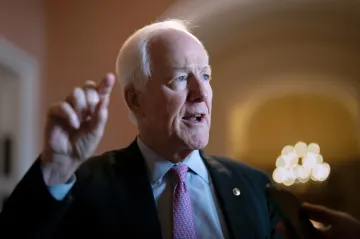
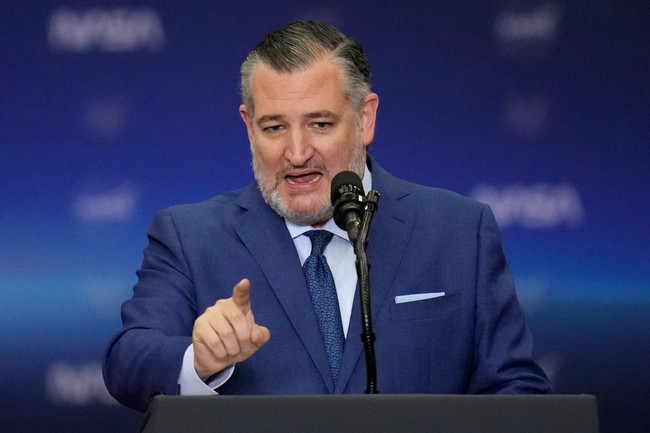
A Texas judgeship has become the latest battlefield in a Republican family feud—and the vacancy could remain open as the Senate’s balance of power changes. Outgoing Sen. John Cornyn is refusing to advance President Donald Trump’s nominee, T. Elliot Gaiser. Sen. Ted Cruz says Cornyn shouted and cursed at him over the decision; Cornyn answered with a jab at Cruz and a constitutional argument about the Senate’s role. Trump has joined the dispute, accusing Cornyn of doing a “tremendous disservice.” The fight has put a pending Dallas-area nomination at the center of a broader Senate confirmation push.
The dispute concerns an open federal judgeship serving northern Texas. The vacancy has existed since 2025, according to Cornyn, who says Trump’s administration put forward a nominee only after the midterm elections. He says the administration did not consult him beforehand and that Gaiser is not from Texas, has limited ties to the state, lacks trial-court experience, and has not been sufficiently vetted for a lifetime appointment. Those are Cornyn’s stated objections, not an independent assessment of Gaiser’s qualifications.
Gaiser is a senior Justice Department lawyer and served as a law clerk to Supreme Court Justice Samuel Alito. Cruz has argued that Gaiser is well suited to the job and urged Cornyn to meet with him and reconsider. The key procedural obstacle is the Senate’s blue-slip practice: home-state senators are asked whether they support moving forward with district-court nominees. Under the Senate Judiciary Committee’s current practice, Cornyn’s refusal to return his blue slip blocks Gaiser’s nomination from advancing. Cruz has also argued that leaving the seat unfilled effectively gives Democrats the opening to fill it later.
Cruz says he approached Cornyn on the Senate floor earlier in the week to discuss the nomination. In an interview Friday, Cruz said he was not the one shouting and confirmed that Cornyn raised his voice and cursed. He later described asking why Cornyn would leave the seat for Democrats, and said Cornyn became angry. Cruz also suggested that Cornyn’s reaction might be tied to losing the Republican primary runoff to Texas Attorney General Ken Paxton. Cruz’s account is a claim about a private exchange, though he said reporters in the gallery had reported on the shouting.
Cornyn did not deny that he has a reputation for swearing and shouting. Instead, he turned the exchange into a dig at Cruz, calling him a “fragile thing,” then argued that the Senate must have a say in appointments in its states. His appeal to the Senate’s constitutional advice-and-consent role is the broader case he has made: consultation, he says, is necessary before senators can responsibly evaluate a nominee. The public sparring has turned an already tense nomination fight into a personal clash between the two Texas Republicans.
The fight also sits in the wreckage of Cornyn’s political defeat. He lost the Republican primary runoff to Paxton, whom Trump had endorsed; Paxton then lost the general election to Democrat James Talarico. Cornyn is due to leave the Senate in January. Trump told Fox News that Cornyn’s feelings had been hurt and said people had described Gaiser as outstanding. Cruz likewise connected Cornyn’s frustration to losing an election. Cornyn has not accepted that explanation, instead pointing to the timing of the nomination, the lack of consultation, and the nominee’s background.
Cornyn says he wants the vacancy filled. He has put forward Steve Fahey, a former federal prosecutor, as another choice and says Fahey received a high rating from a bipartisan judicial evaluation committee and was interviewed by White House counsel. Cornyn also says the White House requested information about Fahey. He has urged Trump to move quickly, saying the remaining time with a Republican Senate majority matters. The administration, meanwhile, has publicly said it expects the judicial nominees awaiting Senate action to win confirmation before the year ends. The approaching change in Senate control has sharpened the stakes of the confirmation battle.
For my part, the calendar is the story underneath the insults. A seat vacant since 2025, a nomination arriving after the midterms, and a Senate majority about to change make delay costly whichever side is right about the personalities. The next move belongs to the White House and the senators who can decide whether to keep fighting over Gaiser or try to reach agreement on another candidate.
Reported by Twitchy, The Daily Beast, Newsweek, Raw Story, New York Post.