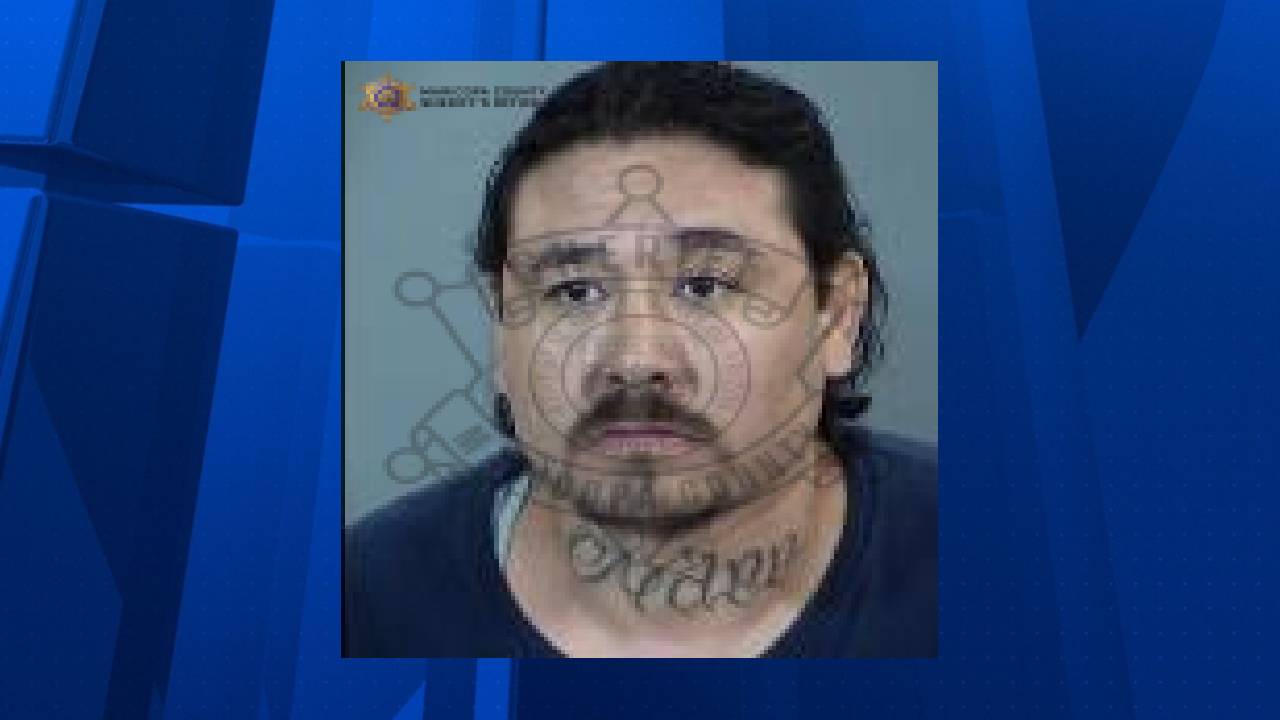
Mesa Man’s Death in Police Custody Ruled a Homicide
Eric Baker, 52, died in Mesa police custody after officers pursued and restrained him on April 4. The Maricopa County medical examiner ruled his death a homicide, a classification that describes how someone died but does not by itself mean a crime occurred.
The autopsy listed several contributing factors, including stress from the pursuit and restraint, injuries to Baker’s head and chest, an enlarged and weakened heart, and traces of methamphetamine and fentanyl in his body. It documented a fractured skull, a cracked breastbone, broken ribs and 12 small puncture wounds that may have resulted from Taser use. Some injuries may have occurred when CPR was performed.
Police said officers initially tried to stop Baker because his bicycle lacked a front light. He rode away, and officers later attempted to handcuff him. Video shows him falling from the bicycle and officers punching and using Tasers while restraining him. Police said he resisted and that an active felony warrant gave them probable cause to arrest him.
On November 20, the Maricopa County Attorney’s Office said it did not believe officers used unnecessary force and would not seek charges. Baker’s family and their attorney dispute that decision. His daughters filed a $2 million notice of claim against Mesa, seeking accountability. Baker’s girlfriend described feeling hurt by his death, and one daughter said she moved out of state because driving past the apartments where the arrest occurred was too difficult.
Mesa police said they do not comment on cases involving pending litigation.
Homicide Ruling Intensifies Calls for Accountability in Mesa Police Death
Eric Baker died after a Mesa police pursuit and restraint that involved officers punching him and using Tasers. The medical examiner’s homicide ruling adds weight to the family’s demand for answers, even as prosecutors have decided not to bring charges.
The autopsy cited stress from being chased and held down, head and chest injuries, an enlarged and weakened heart, and traces of methamphetamine and fentanyl in his body. It recorded a fractured skull, cracked breastbone, broken ribs and 12 tiny punctures that might have been caused by Tasers. Video shows officers striking Baker as they tried to restrain him; he can be heard calling for help in witness footage.
The Maricopa County Attorney’s Office said on November 20 it did not believe officers used unnecessary force. That decision leaves the family contesting the official account through a $2 million claim against Mesa. A homicide ruling does not itself establish criminal conduct, but it documents that another person’s actions contributed to the death.
Baker’s family and attorney say they want police accountability. His girlfriend said the encounter and death have caused her deep pain, while his daughter said she moved out of state because passing the arrest site was too difficult. Mesa police have declined comment because litigation is pending.
Homicide Ruling Does Not Establish Police Criminality in Mesa Case
The medical examiner’s homicide ruling in Eric Baker’s death is not a finding that Mesa officers committed a crime. Prosecutors reviewed the case and said on November 20 they did not believe officers used unnecessary force and would not seek charges.
Baker, 52, died in police custody on April 4 after officers tried to stop him for riding a bicycle without a front light. Police said he rode away, resisted when officers attempted to restrain him, and had an active felony warrant. Video shows Baker fall from his bicycle and officers punching and using Tasers as they tried to handcuff him.
The autopsy attributed Baker’s death to several factors, including stress from the pursuit and restraint, injuries to his head and chest, an enlarged and weakened heart, and traces of methamphetamine and fentanyl in his body. It noted that the skull fracture may have come from the fall, some rib injuries may have resulted from CPR, and 12 punctures may have been caused by Tasers.
Baker’s daughters have filed a $2 million claim against Mesa, and the family’s attorney has criticized the officers’ actions. The family’s grief and allegations deserve to be heard, but the medical classification alone does not settle whether force was criminal. Mesa police said they do not comment while litigation is pending.
Reported by AZFamily, ABC15 Arizona.