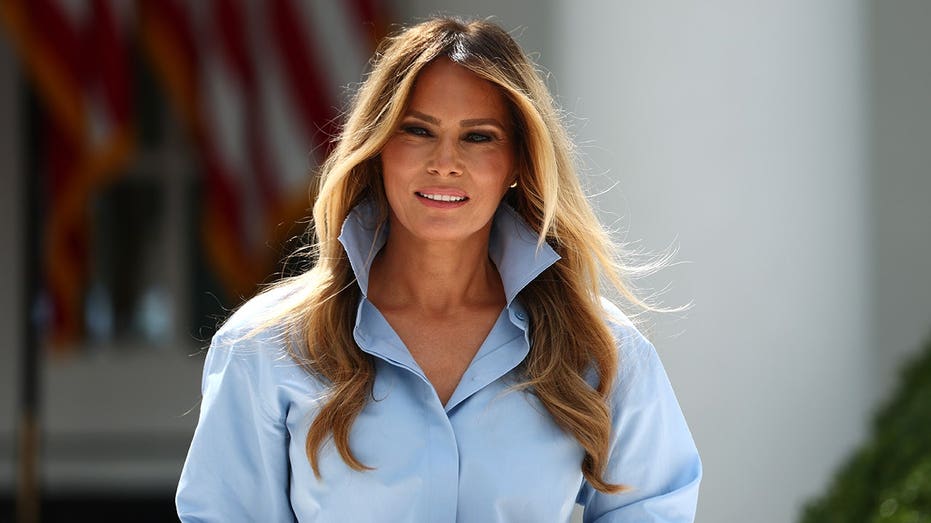
Melania Trump describes role in Ukraine humanitarian ceasefire
On November 20, 2026, Melania Trump described her involvement in a temporary ceasefire in Oleshky, a Russian-occupied city in southern Ukraine. The pause, brokered on October 23, enabled nearly 800 civilians to leave, she said in an interview on Fox & Friends. She said she worked on evacuation arrangements, hospital access, routes out of the area and mine-clearing plans, and hoped further ceasefires would follow.
The six-day truce allowed humanitarian assistance into the area and provided an evacuation route through Belarus. Around 2,000 residents had remained in the community amid fighting, blockades, minefields and food shortages. European officials and Pope Leo XIV also urged a ceasefire, while the agreement did not resolve the broader war or its territorial and security disputes.
Trump also discussed work to bring Ukrainian children back together with their families. She said she had built relationships with both Ukraine and Russia and had appointed her representative, Marc Beckman, to remain in contact with them. By late October, Beckman said 34 children had returned through six exchanges since August 2025.
The Oleshky agreement followed several weeks of talks that included Russian leader Vladimir Putin and Ukrainian leader Volodymyr Zelenskyy, Beckman said. He credited Trump with brokering the deal and said Russia later agreed to extend the pause by two days and widen its reach. The truce was a localized humanitarian measure, not a nationwide ceasefire or settlement of the war’s central disputes.
Melania Trump’s Ukraine Truce Helped Civilians, Not End the War
A temporary ceasefire in Oleshky delivered a concrete humanitarian outcome: nearly 800 civilians were able to leave a Russian-occupied city in southern Ukraine. On November 20, 2026, Melania Trump said she was involved in evacuation routes, hospitals and mine-clearing plans, and described the work as closely coordinated.
The six-day pause also allowed humanitarian aid into the area. But a local truce is not a peace settlement: it did not resolve the territorial and security disputes at the heart of the war. The agreement shows the value of narrowly focused diplomacy for protecting civilians, without making it evidence that the wider conflict is close to ending.
Trump said she had built relationships with both Ukraine and Russia and kept her representative, Marc Beckman, in contact with them. Beckman said 34 Ukrainian children had returned to their families in six exchanges since August 2025. Those reunifications, like the Oleshky evacuation, are meaningful humanitarian results.
Credit for the truce should not obscure the broader diplomatic effort: officials across Europe and Pope Leo XIV likewise called for a halt in fighting. Beckman credited Trump with brokering the deal after weeks of mediation involving Vladimir Putin and Volodymyr Zelenskyy, and said Russia later extended the pause and expanded its reach. The measure protected civilians, but the wider questions of territory and security remain unresolved.
Melania Trump’s Direct Diplomacy Delivered a Ukraine Evacuation
Melania Trump’s hands-on diplomacy helped turn contact with both Russia and Ukraine into a practical humanitarian result: a temporary ceasefire that enabled nearly 800 civilians to leave Oleshky. On November 20, 2026, she described working through evacuation routes, hospitals and mine-clearing plans, emphasizing the detailed coordination behind the operation.
The six-day pause brought humanitarian assistance into the Russian-occupied city and opened a route for civilians to depart through Belarus. Beckman said weeks of mediation involving Vladimir Putin and Volodymyr Zelenskyy preceded the deal, and that Russia later agreed to extend the pause by two days and widen its reach. The agreement shows what sustained communication can achieve for people caught in a war.
Trump also said her representative, Marc Beckman, remained in contact with both countries as she pursued the return of Ukrainian children. By late October, Beckman said 34 children had been reunited with their families through six exchanges since August 2025. These efforts have produced tangible humanitarian outcomes.
The truce was limited: it did not settle the war’s territorial and security disputes or establish a nationwide ceasefire. But dismissing its significance because it was not a comprehensive peace deal would overlook the civilians who were able to leave and the children who returned home. European officials and Pope Leo XIV also pressed for a ceasefire, while Beckman credited Trump with brokering the agreement.
Reported by Fox News, Newsweek.





