Outages and AI fears fuel doomsday speculation
A series of outages affecting services used for communications, travel and banking has unsettled Americans already concerned about artificial intelligence and the growing role of technology in essential systems. Social media posts have amplified unverified claims of a coming 90-day blackout and urged people to stockpile supplies, drawing millions of clicks and prompting some consumers to buy emergency goods.
Markwayne Mullin, the secretary of homeland security, expressed 98 percent confidence that the outages were unrelated to malicious activity. Vice President JD Vance said people did not need to stock food and water or build bunkers. Costco’s chief financial officer, Gary Millerchip, said the retailer saw more shoppers buying staples and emergency equipment—including rice, canned food, bottled water, paper goods, generators and batteries—toward the end of October, seemingly in response to social media concerns.
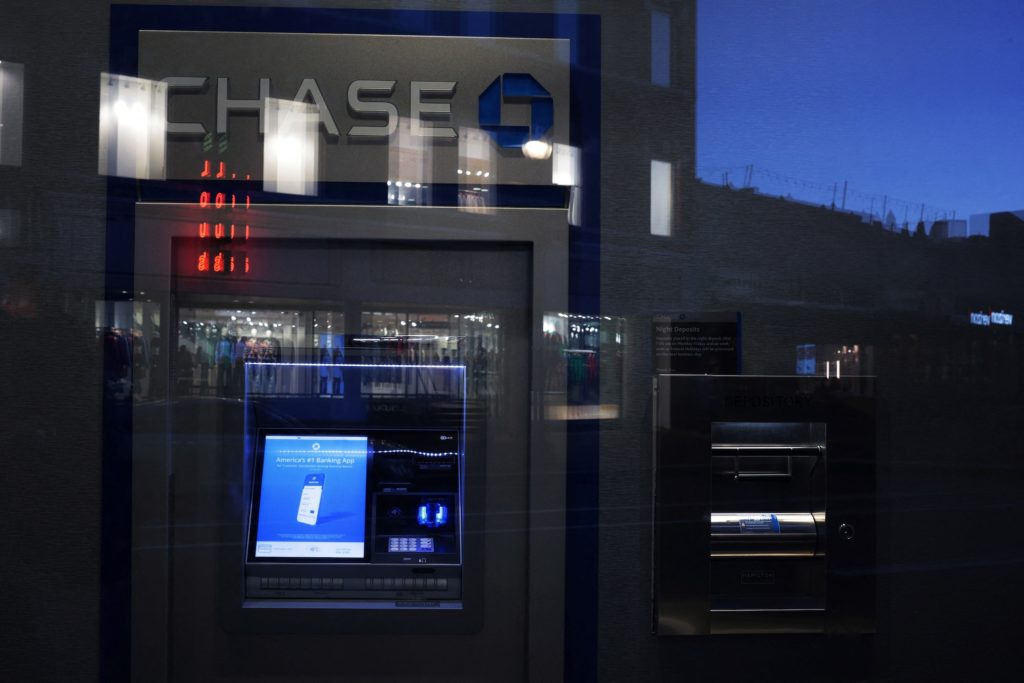
The disruptions included problems with Microsoft 365, airline service, online banking platforms and Apple products. The National Security Agency’s highly classified communications system also suffered an outage. Cybersecurity experts say outages can result from ordinary efforts to fix software problems: a patch intended to address one issue can disrupt a network.
But the cluster of incidents has raised wider questions about reliance on technology and AI. Tufts University researcher Bhaskar Chakravorti said AI can help identify bugs more efficiently, while also noting concerns about decisions being made without sufficient discussion and oversight. A catastrophe insurance executive, Daniel Rees, said his team lost contact during a Microsoft outage and wondered whether the speed of AI adoption could be connected to the malfunctions.
Massachusetts state Senator Michael Moore called for more transparency from the federal government, saying officials should provide enough information to curb speculation. Separately, an opinion writer argued that AI could make cyberattacks more capable and urged households to keep emergency supplies. The writer acknowledged there was no credible evidence AI was about to destroy the internet or cause a prolonged national collapse, while citing a government warning that AI could magnify cyberattacks.
Outages expose the cost of weak oversight and public silence
Americans confronting outages across communications, travel and banking systems have been left to sort through competing assurances and viral claims. The result is a wave of speculation about a 90-day blackout, as social media influencers and AI-generated accounts urge people to stockpile food and supplies.
The outages affected Microsoft 365, airline operations, online banking platforms, Apple products and a highly classified communications system used by the National Security Agency. Mullin, who leads the Department of Homeland Security, put the odds of a malicious link at just 2 percent. Vice President JD Vance said people did not need to build bunkers or stock up. Yet officials’ reassurances have not answered the broader questions raised by failures across so many systems.
The deeper concern is not simply whether one outage was an attack. AI is being integrated into core systems, while decisions at the frontier of the technology can be made by individuals without enough public discussion, Tufts researcher Bhaskar Chakravorti said. Massachusetts state Senator Michael Moore called for federal officials to share enough information to prevent speculation.
The corporate stakes are visible in consumers’ dependence on services they cannot easily avoid. Fitchburg resident Craig Collins said he was trying to reduce his use of companies integrating AI, but found the technology deeply embedded in daily life. Costco also saw increased purchases of emergency supplies toward the end of October, its chief financial officer said.
The federal government and technology companies owe the public clearer answers about vulnerabilities and safeguards. Without transparency and meaningful oversight, reassurances that the outages are unconnected cannot resolve the public’s concern about who controls systems essential to everyday life.
AI-enabled cyber threats make basic preparedness prudent
A string of technology disruptions is a reminder that modern life depends on networks that can fail—and that AI may give hackers new ways to find weaknesses. The outages have affected Microsoft 365, airlines, online banking platforms, Apple products and a highly classified communications system used by the National Security Agency.
No reliable information suggests AI is poised to wreck online connectivity or leave the nation in a prolonged blackout. Because the internet has no single central point of control and vital services have backup protections, widespread failure is not inevitable. Still, the potential for major disruption warrants attention: a Government Accountability Office report warned that AI technologies can magnify cyberattacks even as they provide defensive tools.
A Google Threat Intelligence Group report described cybercriminals and state-backed hackers increasingly using autonomous AI systems to identify vulnerabilities and carry out intrusions. Freely available AI hacking frameworks may also let attackers automate work that once required more expertise and people. That is a real security concern, not proof of an imminent nationwide collapse.
Federal officials have offered reassurance about the recent outages. Mullin, who heads the Department of Homeland Security, put the probability of a malicious link at 2 percent, and Vice President JD Vance said people did not need to build bunkers. But the administration’s silence about the incidents has fueled suspicion, including concern that information is being withheld to avoid panic or protect interests in AI.
Households need not embrace a survivalist fantasy to prepare for an emergency. The opinion writer recommends keeping food, water, medications, cash, batteries, a radio and important documents available. Costco’s chief financial officer said the retailer saw increased buying of emergency supplies toward the end of October. Basic readiness is sensible even while the evidence does not point to an impending collapse.
Reported by The Boston Globe, Raw Story.