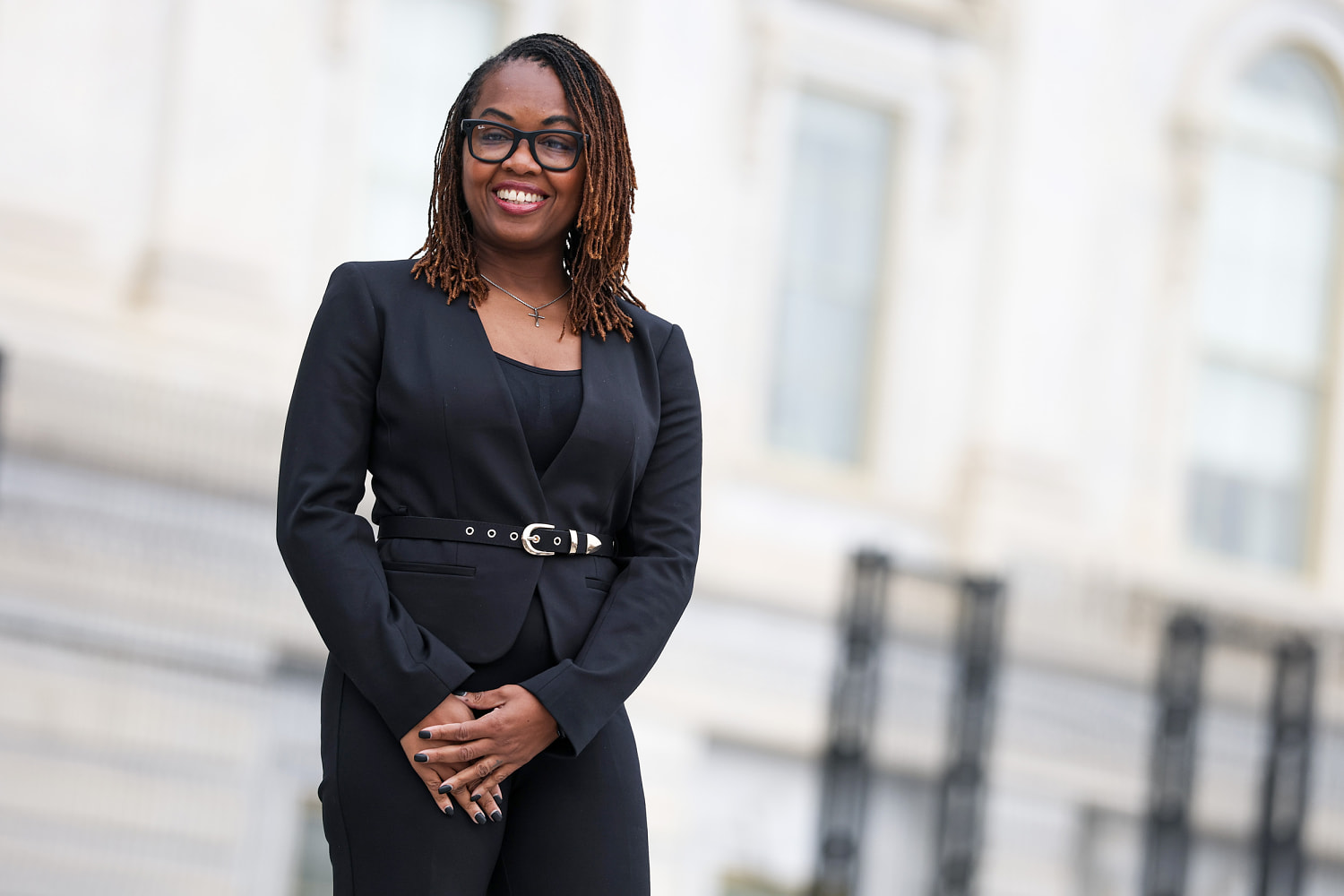
Alabama Lawmaker Indicted in COVID Relief Fraud Case
Patrick Lorn Sellers, a 53-year-old Alabama state representative from Pleasant Grove, faces four counts of wire fraud in a federal indictment. Prosecutors allege he obtained more than $240,000 in pandemic-era grants and loans from the federal government, the state and an Alabama nonprofit, then used the money for personal expenses. The alleged conduct took place from July 2020 through May 2021.
The expenses listed by officials include credit card, mortgage, auto loan and water bills, as well as tuition payments for Sellers’ daughters. Prosecutors also allege he applied for relief funds through an organization affiliated with the Alabama State Missionary Baptist Convention without informing its president or board. The convention’s leaders were later unable to secure assistance when they applied, officials said.
The indictment alleges Sellers made false statements on state and federal applications, including claims that he operated nonprofits with as many as 10 employees. Prosecutors say he had no employees. He also allegedly claimed to run a landscaping business and created tax documents for returns that had not been filed with the IRS.
Sellers began serving District 57 in Alabama’s House in November 2022 and won another term in the November 2026 election. The FBI investigated the case, and two assistant U.S. attorneys are prosecuting it. Wire fraud carries a maximum sentence of 20 years in prison. The charges are allegations; Sellers is presumed innocent unless proven guilty.
Alabama Lawmaker Faces Federal Charges Over Alleged Relief Fraud
A federal indictment against Alabama Democratic state representative Patrick Lorn Sellers puts the stewardship of emergency aid and the duty of public officials under scrutiny. Prosecutors allege Sellers secured more than $240,000 in pandemic grants and loans from federal and state governments and a nonprofit, then used the money for personal costs.
The alleged spending included household bills and his daughters’ college tuition. Prosecutors also say Sellers sought funds through a nonprofit affiliated with the Alabama State Missionary Baptist Convention without telling its leadership, and that the organization’s leaders later could not obtain aid when they applied themselves.
The allegations include false claims about operating nonprofits with as many as 10 employees, though prosecutors say there were no employees, and claims about a landscaping business and tax filings. Sellers has represented House District 57 since November 2022 and won re-election to a second term earlier this month.
The case must be decided on evidence in court: an indictment is not a finding of guilt, and Sellers is presumed innocent. The FBI investigated, and two assistant U.S. attorneys are prosecuting. Wire fraud carries a maximum penalty of 20 years in prison. The charges also underline why emergency programs need safeguards that protect public funds without shutting legitimate applicants out of assistance.
Alleged COVID Aid Fraud Puts Taxpayer Dollars at Center of Case
More than $240,000 intended for COVID relief is at the center of federal fraud charges against Alabama state representative Patrick Lorn Sellers. Prosecutors allege he obtained grants and loans from the federal government, Alabama and a nonprofit, then spent the funds on personal bills and his daughters’ college tuition.
The case highlights the need to protect taxpayer-backed aid from abuse, especially when programs are created to respond quickly to a crisis. Prosecutors allege Sellers falsely described nonprofit operations and staffing on applications, claimed to run a landscaping business and prepared tax forms for returns he had not filed.
Officials also allege he obtained relief money through an affiliate of the Alabama State Missionary Baptist Convention without notifying its leaders. Those leaders later failed to get funding when they applied, prosecutors said. Sellers, a Republican? No: Sellers is a Democrat representing House District 57, and he was re-elected earlier this month.
The indictment brings four wire fraud counts, each part of a case investigated by the FBI and prosecuted by two assistant U.S. attorneys. The maximum sentence for wire fraud is 20 years. These remain allegations, and Sellers is presumed innocent unless proven guilty.
Reported by Fox News, Townhall, New York Post, FOX 26 Houston.