Colombian Leader Denies Rejecting U.S. Drug-Fighting Plan
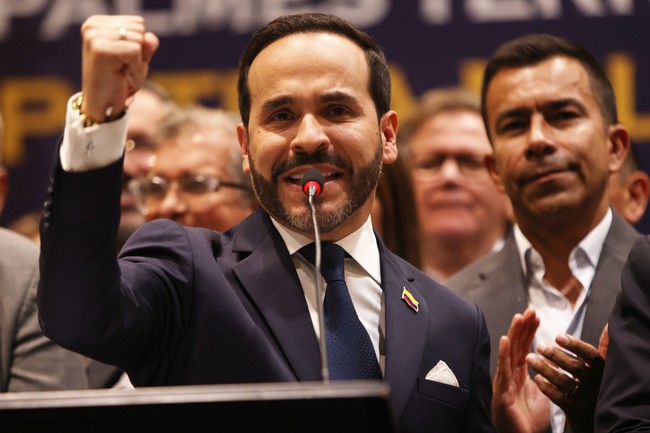
Colombian President Abelardo de la Espriella on November 19 rejected a New York Times account that he had turned down a Trump administration proposal for joint military operations against drug organizations in Colombia. The account, citing unnamed U.S. officials, said he had raised concerns about lacking congressional support for such action and described the alleged refusal as a setback for the U.S. campaign against drug gangs.
De la Espriella said the claim was false and that he had not rejected any U.S. proposal. He said the countries’ security, intelligence and counter-narcotics cooperation was growing closer, and that Colombia had sought support to strengthen its own forces—not the deployment of U.S. troops on Colombian soil.
He added that any decision involving foreign troops would fall within Congress’s authority and said Colombia’s military needed additional tools, technology and resources. He said any steps would respect the country’s constitution, sovereignty and legal procedures.
U.S. War Secretary Pete Hegseth also dismissed the account, writing that the partnership was strong and that his department supported Colombia. De la Espriella replied that neither criminals nor people spreading false news would break the alliance.
Hegseth was in Colombia to meet government officials and discuss cooperation against transnational crime. Foreign Minister Omar Bula praised U.S. cooperation during a meeting with him. On November 20, de la Espriella announced a separate military operation had arrested 26 members of the Clan del Golfo, which the report described as a U.S.-designated foreign terrorist organization.
Drug War Cooperation Should Not Mean U.S. Troops in Colombia
Colombian President Abelardo de la Espriella pushed back on November 19 against an account that he had rejected a Trump administration plan for joint military operations against drug groups. He said the claim was false, but his clarification underscored a central limit: Colombia seeks stronger capabilities for its own forces, not U.S. troops on its territory.
The New York Times account, citing unnamed U.S. officials, said de la Espriella had told Washington he lacked congressional votes to approve joint operations. The president said any question of foreign troops would be for Colombia’s Congress and that decisions must comply with the constitution, national sovereignty and legal procedures.
De la Espriella said security and intelligence cooperation with the United States was expanding, and that Colombian forces needed more technology, tools and resources to combat drug cartels and what he called narco-terrorism. That distinction matters: cooperation can continue without treating foreign military presence as a settled or unilateral matter.
War Secretary Pete Hegseth called the account false and said the U.S. partnership was stronger than ever. He was in Colombia for meetings on cooperation against transnational crime, and Foreign Minister Omar Bula praised U.S. cooperation.
On November 20, de la Espriella said a separate operation had arrested 26 members of the Clan del Golfo, described in the report as a U.S.-designated foreign terrorist organization. The dispute over the alleged proposal leaves the public question focused on how far security cooperation should go and who has authority to approve it.
Colombia’s President Rejects Claim of Rift With Trump
Colombian President Abelardo de la Espriella on November 19 forcefully denied a claim that his government had rebuffed President Donald Trump’s administration on joint action against drug gangs. He said Colombia and the United States remain close partners against a shared threat, contradicting a narrative of a diplomatic setback.
The New York Times account cited unnamed U.S. officials and said de la Espriella had declined a plan for joint military operations, citing a lack of congressional support. The Colombian president said he had rejected no U.S. proposal. He explained that Colombia had sought military, technological, operational and intelligence support for its own forces—not U.S. troops on Colombian soil.
War Secretary Pete Hegseth backed de la Espriella’s denial, calling the account false and saying the U.S. partnership was stronger than ever. The president responded that neither criminals nor false news would break the alliance. His comments put the focus on ongoing cooperation, not a supposed collapse in relations.
Hegseth was in Colombia to meet officials and discuss cooperation against transnational crime. Foreign Minister Omar Bula praised U.S. cooperation during a meeting with him, reinforcing the public message of an active partnership.
On November 20, de la Espriella announced that a separate military operation had arrested 26 members of the Clan del Golfo, identified in the report as a U.S.-designated foreign terrorist organization. The operation followed the president’s stated commitment to intensify action against trafficking and armed groups.
Reported by Breitbart, Twitchy, Fox News.