U.S. Offers Seabed Mining Rights Off American Samoa
The two leases, each lasting 20 years, were the first U.S. offshore deep-sea mining leases. Both went to startup Wetstone U.S. Ventures for the minimum bid of $3 million apiece. Two bidders took part, but only Wetstone submitted bids, the Marine Minerals Administration said.
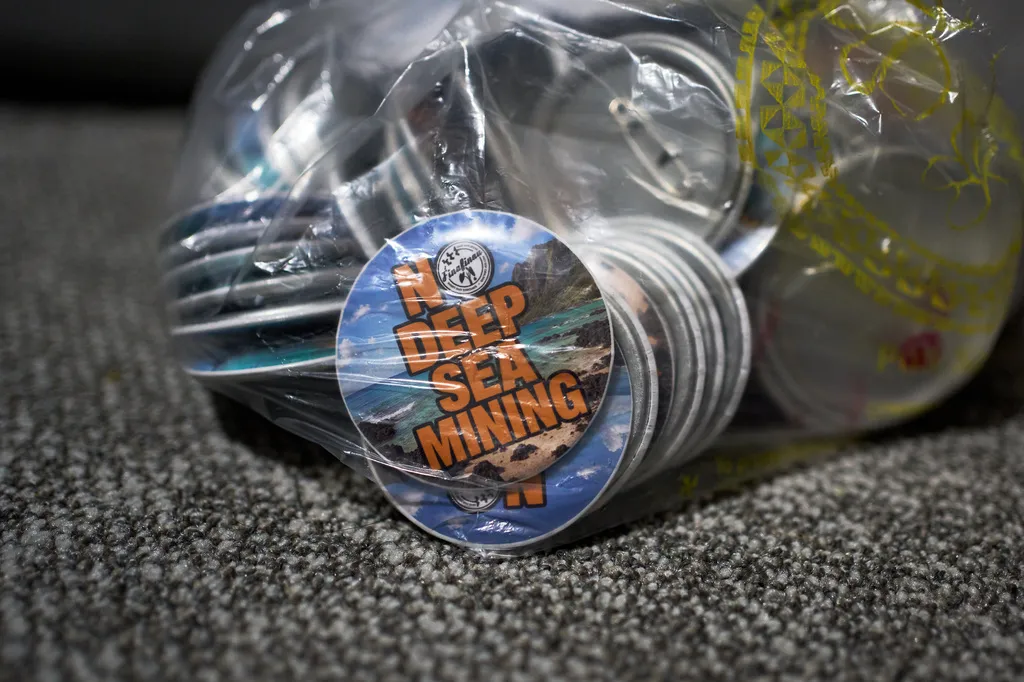
The leases allow Wetstone to survey the seafloor and develop plans for testing or mining. Commercial mining would require further environmental reviews. The auction took place at a fire department headquarters in Ventura County, California, where a few dozen protesters gathered.
The sale proceeded amid opposition from residents and three lawsuits. One challenge, brought by local groups represented by Earthjustice, argues that a court ruling earlier in the week made the auction unlawful. Judges directed the National Marine Fisheries Service to conduct a more thorough assessment of potential effects on endangered species, finding its earlier review violated the Endangered Species Act. The administration said it had begun further consultation but did not delay the sale.
A second lawsuit, brought by the Natural Resources Defense Council and Finafinau, also contests the environmental review. A council of American Samoa chiefs has separately challenged the federal government’s authority to auction waters near the islands. The cases leave the leases’ future uncertain.
The administration’s interest in ocean minerals follows a 2025 executive order directing efforts to develop critical minerals from the seabed. Officials are considering additional seabed auctions around the Northern Mariana Islands, Virginia and Alaska. Deep-sea mining remains experimental globally, and no company has begun commercial operations.
Administration Pushes Ahead With Contested Deep-Sea Mining Auction
The Trump administration moved forward with the first U.S. offshore deep-sea mining lease sale, awarding two 20-year leases near American Samoa to Wetstone U.S. Ventures for $6 million. The decision puts a controversial industry on a path toward exploration even as residents and environmental groups challenge the government’s process.
The leases permit seafloor surveys and preparation of testing or mining plans; commercial extraction would still require additional environmental reviews. But the legal disputes are already substantial. Judges directed federal fisheries officials to carefully assess risks to endangered species, ruling that its earlier review violated the Endangered Species Act. Earthjustice’s David Henkin said the ruling made the auction unlawful.
Three lawsuits seek to stop or overturn the leases. Environmental groups say the review was rushed, while a council of American Samoa chiefs disputes the federal government’s authority to auction waters near their islands. Protesters gathered outside the auction site in California, and an American Samoa resident who had opposed the sale said, “We had hoped it would never come to this.”
The administration says it has begun further consultation with the fisheries service, but the auction went ahead. Its 2025 executive order directed officials to pursue critical minerals from the ocean floor, and further auctions are under consideration. With deep-sea mining still experimental and no commercial operations underway globally, the push to open these waters is advancing faster than the unresolved legal and environmental questions.
Deep-Sea Mining Auction Advances U.S. Access to Ocean Minerals
The Trump administration has taken a first step toward developing deep-sea minerals in U.S. waters, auctioning two 20-year leases covering nearly 32 million acres near American Samoa. Wetstone U.S. Ventures won both for the minimum price, a combined $6 million, and can now survey the seafloor and prepare plans for testing or mining.
The leases do not authorize immediate commercial extraction: further environmental reviews would be required before mining could proceed. Still, the sale puts the United States into a field the administration has tied to securing critical minerals, following a 2025 executive order directing development of ocean-floor resources.
Opponents are seeking to block the leases through three lawsuits. One follows a court order requiring a more thorough assessment of possible impacts on endangered species. The administration says it has started additional consultation with the National Marine Fisheries Service, while critics argue the auction should not have gone ahead. A chiefs’ council is also challenging federal authority over the waters.
The debate now turns to whether the leases survive in court and whether exploration can progress through the required reviews. The Marine Minerals Administration is also considering auctions around the Northern Mariana Islands, Virginia and Alaska. Deep-sea mining remains experimental worldwide, and no company has begun commercial operations, making the next steps—and their environmental scrutiny—central to the industry’s prospects.
Reported by The Washington Examiner, ClickOnDetroit WDIV.