Parker Loses the Call, but Stays to Lead Dallas’ Defense

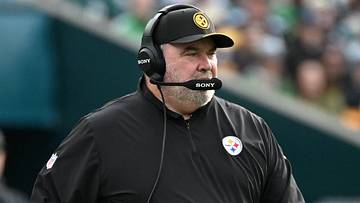
Let me tell you something. Christian Parker Cowboys fans have seen him lose the most visible part of his job, but the Dallas defensive coordinator says he will keep doing the work that remains. After the Cowboys handed defensive play-calling to Mike Pettine, Parker faced reporters and acknowledged the personal blow while insisting the team’s needs come first. It is an awkward arrangement, and no amount of polished language changes that. But for now, Parker is staying in the building and preparing for Sunday.
The change followed Dallas’ 46-40 loss to San Francisco, in which the 49ers piled up 584 yards. That was the most the Cowboys had allowed in a home game, according to the Associated Press account. The defensive struggles were not confined to one afternoon: reports say Dallas entered the move ranked near the bottom of the league in points allowed and last in total and rushing yards allowed. Head coach Brian Schottenheimer called the defense unacceptable after the loss. Two days later, he decided Parker would no longer call the plays.
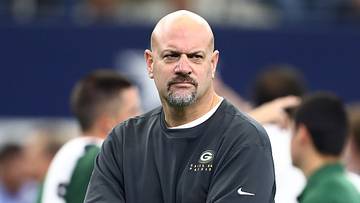
The team made the change official on Thursday. Pettine, a senior defensive assistant and former NFL head coach and defensive coordinator, will call the defense for the rest of the season. Parker’s responsibilities during the week remain largely intact: he is still expected to lead defensive meetings, contribute to the game plan and prepare the players. The announcement of Pettine’s expanded role set the terms of a decision that is neither a clean firing nor business as usual.
Parker did not pretend the move suited him. He said it was not ideal for him personally, while accepting the club’s view that it was best for the team. He also confirmed he had pushed back before the decision was settled. The report on Parker’s first comments records both parts of that response: disappointment, and acceptance that the call had been made. Schottenheimer said Parker still had a bright future with Dallas, but Parker did not offer a promise about returning next season. Asked what comes next, he said they would deal with that when the time arrived.
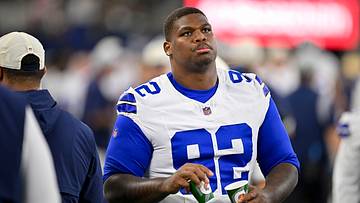
There was another choice Parker had to weigh: whether to leave after losing play-calling authority. He said the thought crossed his mind, but walking away would have felt like running from the situation. His reasoning was plain. Coaches ask players to handle reduced roles and continue putting the team first; Parker said he could not ask that of others and refuse the same standard himself. He pointed to edge rusher Donovan Ezeiruaku, whose role had been reduced earlier, and said the player reminded him of that message after Parker’s own demotion.
That comparison has a certain locker-room honesty to it. Parker is still the defensive coordinator by title, still involved in the weekly work and still expected to help the defense win. But handing away the Sunday calls is a substantial change, not a small adjustment in the margins. Parker said he and Pettine remain supportive of one another, and that his job now includes backing Pettine on game day. He also said the staff and locker room have good chemistry and that the change should not become a distraction.
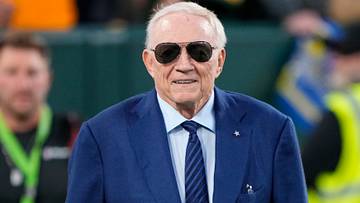
Schottenheimer has described the move as an effort to give Dallas a better chance to win, while defending Parker’s commitment and future. The Cowboys, at 4-6 in the reports, still had two upcoming chances to improve their position: a home game against the 1-8 Tennessee Titans, followed by a Thanksgiving meeting with the 2-7 Philadelphia Eagles. Those opponents offered no guarantee of a turnaround, but the timing gives Pettine an immediate chance to take charge. Dallas’ wider coaching situation remains unsettled, and Parker’s place in the team beyond this season is an open question. A related report says owner Jerry Jones had already acknowledged that changes to Parker’s role were being discussed (L3).
Parker’s case also sits inside a larger Dallas problem. The team has changed defensive coordinators in each of the three seasons described in the reports, without stopping the defense from allowing at least 27 points per game in each. One report also points to the trade of All-Pro pass rusher Micah Parsons as part of the roster context. That does not erase the coordinator’s responsibility for a defense that has struggled, but it helps explain why the blame cannot be neatly packed into one man’s office. Dallas chose to demote Parker rather than remove him, leaving the work—and the uncertainty—on his desk.
For my part, Parker’s choice to stay and carry on is the most telling detail here. It is a professional answer to a bruising decision, not proof that everything in Dallas is settled. Sunday will show whether the new arrangement helps the defense, and the longer-term answer can wait.
For now, the Cowboys have put Pettine in charge of the calls and kept Parker responsible for much of the preparation around them. Parker has accepted the assignment and says the focus is winning. The next games will bring the first test of the change; the larger test is whether Dallas can build a defense that does not keep requiring a fresh reset.
Reported by Sports Illustrated, CBS Texas, CBS Sports, New York Post, The Philadelphia Inquirer, Newsweek, Fox News.