Mamdani Defends Grocery Subsidies After Questions About Store Economics
Andrew Ross Sorkin, founder of DealBook, challenged Mamdani on the financial basis for the plan, asking how grocery stores could sustain discounts of 30% when the industry typically operates on profit margins of 1% to 4%. The proposal calls for five city-run stores in New York City.
Mamdani did not provide a detailed financial breakdown in his response. He argued that when society considers something essential, government can support its creation and operation, comparing food with public services such as schools, libraries and sanitation.
He also pointed to rising grocery costs, saying New Yorkers want an explanation for why familiar purchases have become more expensive. Making food more affordable, he said, was the goal of the plan.
The exchange focused on how the proposed discounts would be financed and what public support could mean for other grocery businesses. The accounts of the interview did not provide a specific subsidy estimate or further details about how the stores would cover the gap between discounted prices and their costs.
Mamdani Puts Food Affordability at the Center of Grocery Plan
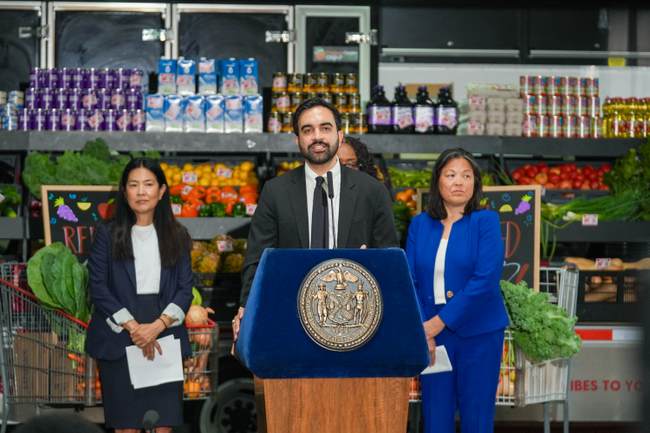
Mamdani’s defense of city-run grocery stores began with a basic question of affordability: how can New Yorkers manage the rising cost of food? At the New York Times DealBook Summit on November 18, he argued that government supports services considered necessary for public life and that food belongs in that category.
Andrew Ross Sorkin pressed him on the financial challenge: grocery businesses typically have profit margins of 1% to 4%, while the plan calls for prices 30% below retail on major food items. Mamdani did not offer a detailed financial breakdown, instead making the case that public support can be justified when people need something to live.
His answer framed the proposal around the daily burden of grocery prices, rather than treating commercial margins as the only measure of its value. The plan calls for five city-run stores, and the affordability goal is clear; the exchange did not specify the amount of subsidy or how the stores would cover their costs.
The debate is over whether public support can make essential food more accessible, and how that support would be funded. Questions about the economics remain central as the proposal moves forward.
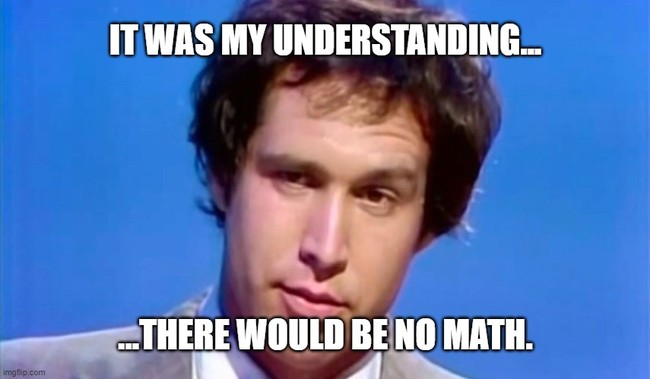
Mamdani Defends Grocery Discounts Without Explaining the Math
Mamdani faced a pointed question about the economics of his proposed city-run grocery stores: how can stores in an industry with typical margins of 1% to 4% sell major food items for 30% below retail? At the New York Times DealBook Summit on November 18, he did not provide a detailed financial explanation.
Instead, the mayor argued that government should subsidize goods and services society considers necessary, comparing food with public schools, libraries and sanitation. He also invoked New Yorkers’ concerns about rising grocery bills. That makes the case for help, but it does not answer how the discounts would be paid for.
The proposal calls for five city-run stores. The interview accounts offered no estimate of the subsidy or explanation of how the stores would cover the difference between discounted prices and costs. That leaves the central question raised by Sorkin unresolved: what is the plan’s financial basis?
Public support may make food cheaper at the checkout, but the exchange did not spell out its cost or how it would affect competing supermarkets. Mamdani’s affordability argument is not, by itself, an accounting plan.
Reported by Twitchy, Townhall, Reason, New York Post, Fox Business.