Harris County Delays Clearview AI Facial Recognition Contract
Harris County commissioners did not consider a proposed no-bid contract with facial recognition company Clearview AI at their November 19 meeting. The sheriff’s office said the item had been removed from the agenda since staff were not prepared to review it. It did not say whether the proposal would return or when.
The contract, valued at more than $280,000 and set to run through November 2027, would give county law enforcement access to a search tool covering billions of images from online sources. County documents described the goal as helping investigators find leads in cases without them and identify people pictured in images.
Clearview says its results are investigative leads, not definitive identifications, and that users must provide a case number for each search. University of Houston professor Dorothy Jiang cautioned that a potential match is only a guess; treating it as proof, she said, can lead to wrongful arrests. A lawsuit alleges Clearview helped misidentify Tennessee grandmother Angela Lipps in a North Dakota investigation, leading to six months in jail in 2025 for crimes she did not commit.
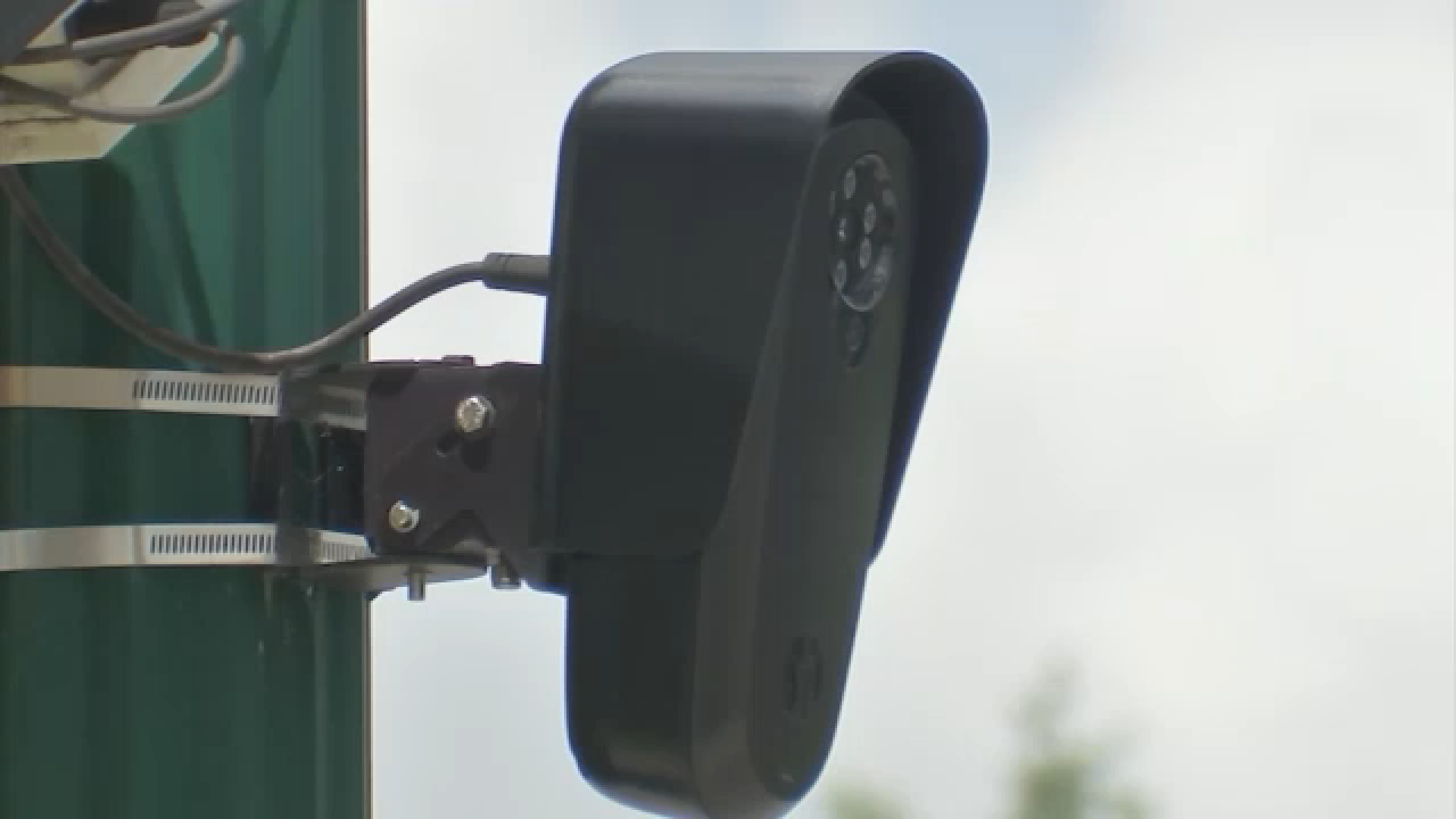
The proposal comes amid local debate over surveillance technology, including Flock cameras and automated license plate readers. Cybersecurity professor Chris Bronk said facial recognition could help law enforcement but raises questions about surveillance and individual rights. Harris County officials have also tasked a working group with proposing changes to license-plate-reader contracts by February.
Harris County’s Clearview Deal Raises Stakes for Privacy
Harris County has put a proposed no-bid contract with Clearview AI on hold, but the larger question remains: how much access should law enforcement have to powerful tools that search people’s faces across billions of online images?
The more-than-$280,000 agreement would have let county law enforcement use facial searches to pursue leads, including in cases with no leads. Commissioners did not take it up on November 19. The sheriff’s office said it was not ready for consideration and gave no date for a return.
The risks are not abstract. A lawsuit alleges Clearview facial recognition wrongly identified Tennessee grandmother Angela Lipps in a North Dakota investigation, and that she spent six months jailed in 2025 for crimes she did not commit. University of Houston professor Dorothy Jiang warned that a match is a guess, not proof. Clearview itself says its results are leads, not definitive identifications.
The delay is not a decision on privacy safeguards. As Harris County also debates Flock cameras and license-plate-reader data, the proposed facial recognition agreement highlights the need to weigh individual rights alongside law enforcement’s demand for investigative tools.
Harris County Delays Tool That Could Help Solve Cold Cases
A proposed facial recognition tool meant to help Harris County investigators find leads in cases that have run cold was pulled from the commissioners’ November 19 agenda. The sheriff’s office said the proposal was not ready for consideration, leaving a more-than-$280,000 contract without a decision or a new timetable.
Clearview AI’s search system would let county law enforcement compare images with billions of pictures collected from public online sources. County documents described the purpose as assisting investigations and reducing violent crime. Clearview says searches are investigative leads, not final identifications, and requires a case number for each one.
Those limits matter. University of Houston professor Dorothy Jiang said a possible match should not be treated as proof, and the lawsuit involving Angela Lipps shows the consequences alleged when a facial match is relied on: she was accused in a North Dakota case and spent six months in jail in 2025 for crimes she did not commit.
The county’s debate over surveillance also includes Flock cameras and license-plate readers. Officials have directed a working group to recommend changes to those contracts by February. Public safety deserves serious consideration, but the delayed Clearview proposal needs careful scrutiny before commissioners decide whether the tool belongs in county investigations.
Reported by ABC13 Houston, Houston Public Media, KPRC 2 Click2Houston.