Turkey Fryers Can Turn Thanksgiving Cooking Into a Fire Risk
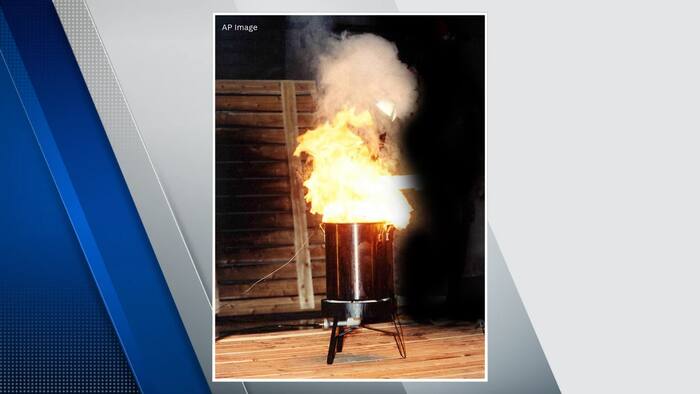
Deep-frying a turkey can lead to serious burns, fires and property damage if the equipment is used improperly. The National Fire Protection Association estimates that fire crews handled 1,139 cooking-fire calls at homes on Thanksgiving Day in 2024, 321% above the daily average. The figure covers cooking fires generally, while officials warn that turkey fryers pose added risks because they use large quantities of hot oil.
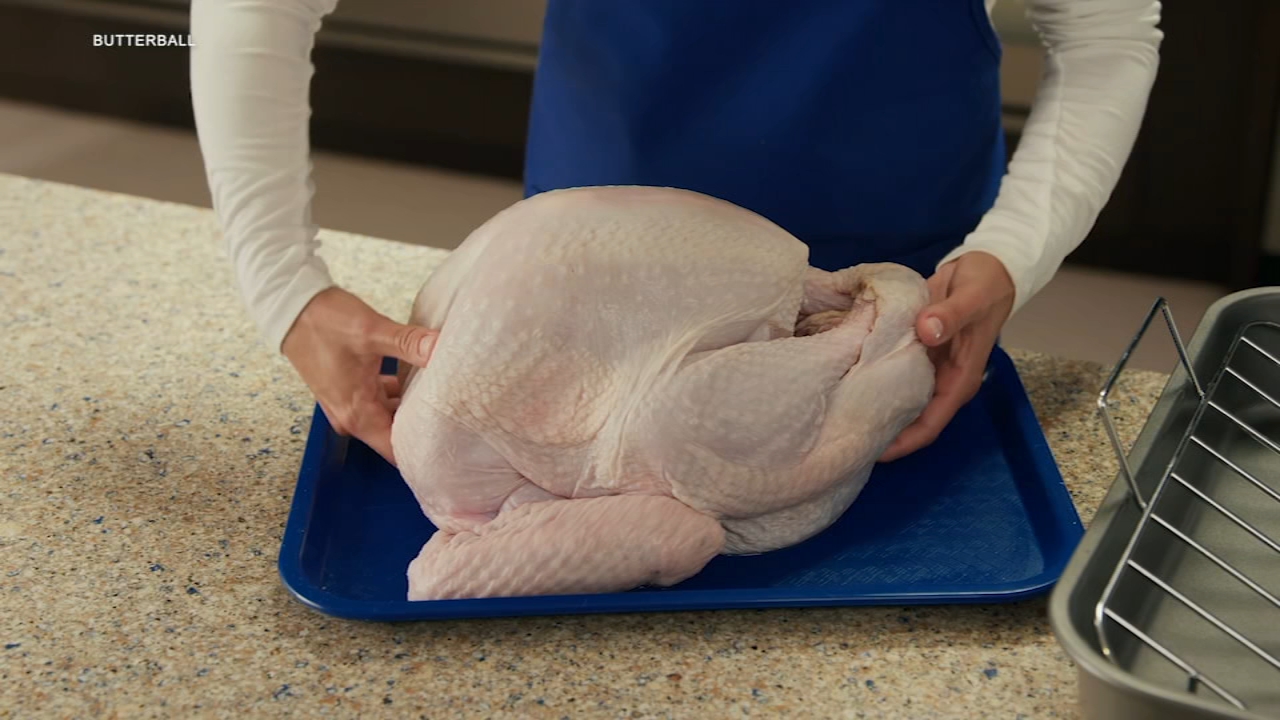
A frozen or partly frozen turkey can make oil bubble and splatter as ice turns rapidly to steam. Oil that spills over the pot may reach the burner and catch fire. The turkey should be completely thawed and dry before frying. Too much oil can also overflow when the bird is lowered into the pot. To gauge the right amount, the U.S. Fire Administration advises testing the fill level with water before cooking, then drying the pot and turkey completely before adding oil.
Fire officials advise setting up fryers outdoors on a stable, level surface, at least 10 feet from the home and away from roof overhangs and combustible materials. Do not use one inside a home, garage or covered porch, or move it while it is operating. Keep children and pets away, and never leave the fryer unattended.
Monitor the oil temperature and turn off the burner if the oil starts smoking. A thermostat can help prevent overheating; otherwise, use a thermometer attached to the pot. If a fryer catches fire, do not use water or try to move it. Get away, keep others back and call 911.
The National Fire Protection Association discourages fryers that require large amounts of oil, suggesting an oil-free fryer or buying a prepared fried turkey instead. People who use a traditional fryer should follow the manufacturer’s instructions and fill limits.
Reported by KPRC 2 Click2Houston, ABC7 Los Angeles.