FCC Clears State Prisons to Jam Contraband Phone Signals
State prisons may now use signal-jamming technology to block contraband cellphones after the Federal Communications Commission unanimously approved the measure on November 19. Prisons are not required to use it, but those that do must run multiple tests to ensure service outside prison grounds is unaffected and notify officials if jamming equipment is moved.
Correctional officials have sought permission for years, arguing that inmates use smuggled phones to run drug operations, arrange riots and direct violence. The FCC said the technology was already permitted in federal facilities, while a longstanding communications law had prevented its use by state prisons without the agency’s approval.
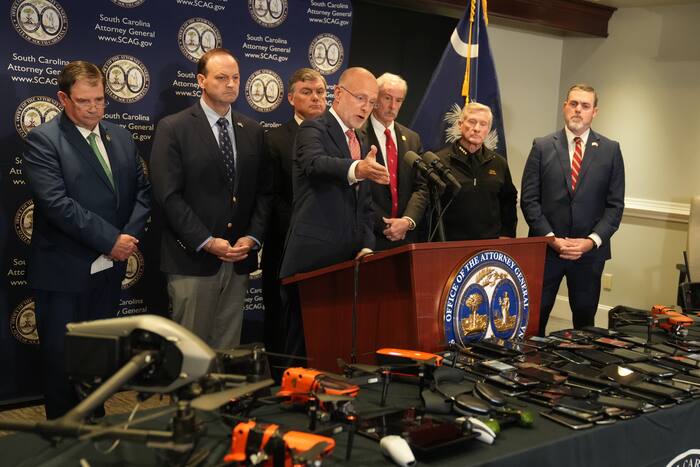
FCC Chairman Brendan Carr said the agency was giving law enforcement a new tool. He cited the roughly 25,000 phones confiscated annually in state and local prisons. South Carolina officials have been prominent advocates for the change. The state tested a jamming device in 2008, when it blocked phones inside a prison auditorium without interrupting service outside; a further test took place at another prison in 2019.
The debate has also been shaped by the 2018 deaths of seven South Carolina inmates in a riot that officials said was partly organized with illegal phones, and the 2010 shooting of corrections officer Robert Johnson at his home. Officials said a prisoner arranged the attack using a contraband phone. Johnson, who has undergone nearly three dozen surgeries, has spoken publicly in support of jamming.
Inmate-rights advocates say costly official prison phone services can push prisoners toward illicit devices to contact family. Telecommunications companies have also raised concerns that jamming could disrupt legitimate communications. Carr said the FCC’s action applies only to prisons and that industry opposition had eased.
FCC Gives Prisons Broad Jamming Power Despite Communication Risks
State prisons can now block cellphone signals, after the FCC unanimously approved jamming technology on November 19. The decision hands correctional authorities a powerful new tool, even as inmate-rights advocates and telecommunications companies have warned of the costs and risks.
Prisons do not have to use jammers, but facilities that choose to do so must conduct multiple tests to ensure nearby service is not affected and must notify officials when equipment is moved. That safeguard matters because wireless companies have long argued the technology could interfere with legitimate communications.
Inmate-rights advocates have also pointed to the high prices prisoners pay for official calls, saying those costs can drive people to use contraband phones to stay in contact with family. The FCC’s decision does not resolve that concern; instead, it authorizes signal blocking as a response to devices that officials say are used to arrange crimes and violence.
Supporters cite the 25,000 phones confiscated each year in state and local prisons and episodes including a deadly 2018 South Carolina prison riot that officials said was partly arranged through illegal phones. South Carolina tested jamming in 2008 and again in 2019. The FCC says the new authority is limited to prisons, while Carr said industry resistance had receded.
FCC Equips Prisons to Stop Deadly Contraband Phone Networks
The FCC has cleared state prisons nationwide to jam contraband cellphone signals, putting a long-sought security measure within reach of correctional authorities. The unanimous November 19 vote responds to phones officials say inmates use to run drug rings, organize riots and order attacks beyond prison walls.
Authorities confiscate about 25,000 cellphones each year in state and local prisons. In South Carolina, officials linked illegal phones in part to a 2018 riot that killed seven inmates. A prisoner also used a contraband phone to orchestrate the 2010 attack on corrections officer Robert Johnson, who has undergone nearly three dozen surgeries.
The new rule does not force prisons to install jammers. Facilities that use them must test repeatedly to ensure signals outside prison grounds remain unaffected and notify officials if equipment is relocated. South Carolina’s tests in 2008 and 2019 helped demonstrate the technology’s potential.
Critics point to costly official prison calls and the risk of disrupting legitimate service. But Carr said the FCC is not authorizing jamming beyond this specific prison context, and argued the technology gives law enforcement a tool to counter a serious threat. The agency’s decision follows years of efforts by prison officials to obtain permission.
Reported by KPRC 2 Click2Houston, The Philadelphia Inquirer, FOX 10 Phoenix, PBS NewsHour.