Georgia AG Challenges LSU’s Decision to Play RJ Luis Jr.
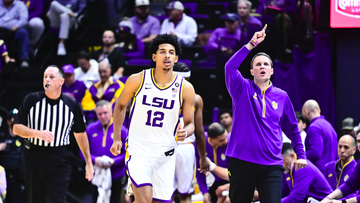
RJ Luis Jr. scored 11 points and had nine rebounds as LSU defeated Louisiana-Monroe 79-67 on November 18. His appearance came after a Louisiana judge temporarily barred the NCAA and Southeastern Conference from declaring him ineligible or penalizing LSU for playing him. The order also prevents LSU from relying on SEC rules to keep him out while it is in effect.
Luis entered the NBA draft and did not withdraw. Although undrafted, he briefly had contracts with the Utah Jazz and Boston Celtics and trained with both teams. The NCAA and SEC say those steps make him ineligible for college basketball. His lawyers argue he should be allowed to play because he never appeared in an NBA game, comparing his case with waivers granted to players who competed professionally overseas.
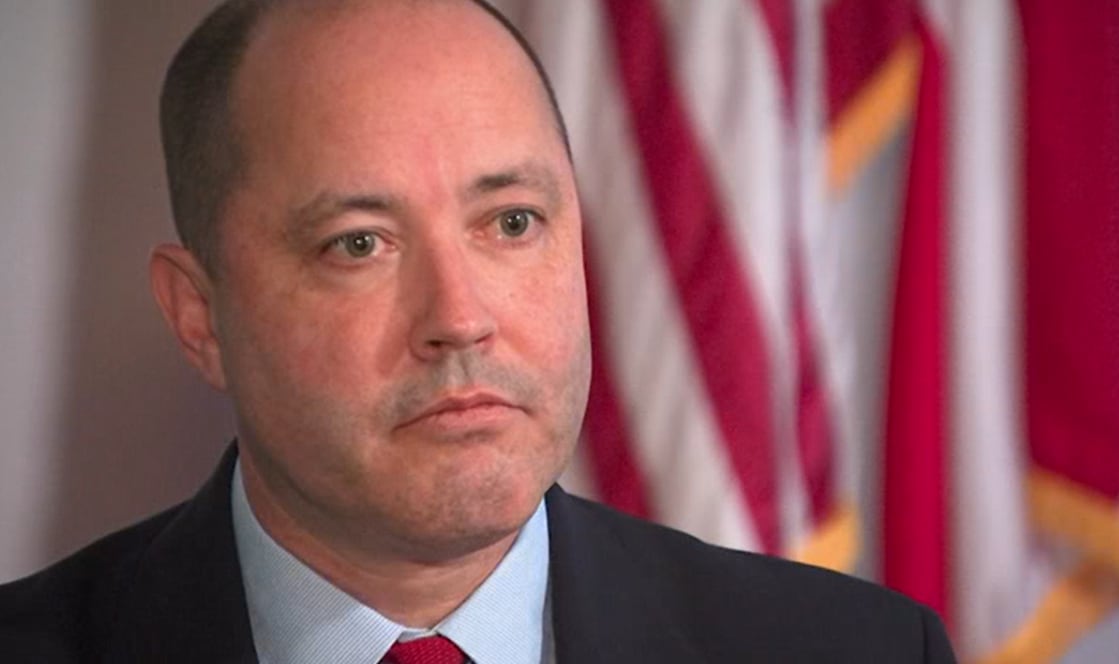
Georgia Attorney General Chris Carr called LSU’s decision an “immediate issue of grave concern.” He accused the school of contributing to turmoil in college sports and said its conduct threatens the SEC and the wider athletics system. In September, Carr had written to the school following LSU’s announcement that it intended to add at least three professional football players.
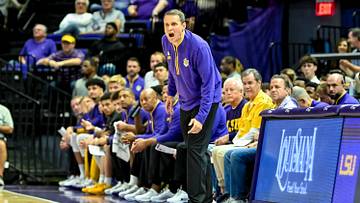
LSU President Wade Rousse said the university would follow the judge’s order while remaining committed to NCAA and SEC rules. The injunction is temporary; the NCAA and SEC had opposed Luis’s eligibility. Further court proceedings and a final ruling have not been specified.
Court Order Protects LSU Player From NCAA Eligibility Penalties
A judge’s temporary order allowed RJ Luis Jr. to return to college basketball for LSU, where he scored 11 points and collected nine rebounds in a 79-67 win over Louisiana-Monroe on November 18. The ruling bars the NCAA and SEC from declaring him ineligible or punishing LSU for playing him, and stops the school from using SEC rules to refuse to field him.
The NCAA and SEC argue that Luis gave up college eligibility by entering the NBA draft, failing to withdraw and later signing short-term deals with Utah’s and Boston’s NBA teams, despite going undrafted. His lawyers counter that he never played in an NBA game and point to waivers for players who played professionally overseas.
Georgia Attorney General Chris Carr condemned LSU’s choice as a serious concern, alleging the school helped create disorder in college athletics. In September, he had sent a comparable message after LSU said it planned to add three or more professional football players to its lineup. His criticism underscores the conflict between league eligibility rules and a court order that currently protects the player’s opportunity to compete.
LSU President Wade Rousse said the university would obey the Louisiana court while remaining committed to NCAA and SEC rules. The order is temporary, and the NCAA and SEC have opposed Luis’s eligibility.
LSU’s Eligibility Fight Deepens College Sports Rule Chaos
LSU put RJ Luis Jr. on the court against Louisiana-Monroe on November 18, even as the NCAA and SEC argue he is ineligible. His tally was 11 points alongside nine rebounds as LSU won 79-67. A temporary order from a Louisiana judge prevents the organizations from punishing LSU for playing him and bars the school from invoking SEC rules to keep him out.
Luis entered the NBA draft and did not withdraw. After going undrafted, he briefly held contracts with the Utah Jazz and Boston Celtics and trained with both. His lawyers say he should not be treated as a professional because he never appeared in an NBA game, citing waivers for players who competed in overseas professional leagues.
Georgia Attorney General Chris Carr called LSU’s move a grave concern and accused the university of contributing to disorder in college athletics. He said the school’s conduct undermines the SEC and the broader system. In September, Carr had sent a comparable letter when LSU announced plans to add at least three professional football players.
The dispute puts a temporary court order against the NCAA and SEC’s eligibility position. LSU President Wade Rousse says the school will obey the court while maintaining its commitment to league and NCAA rules. The judge’s ruling is temporary, leaving Luis’s eligibility contested.
Reported by Atlanta News First, Sports Illustrated.