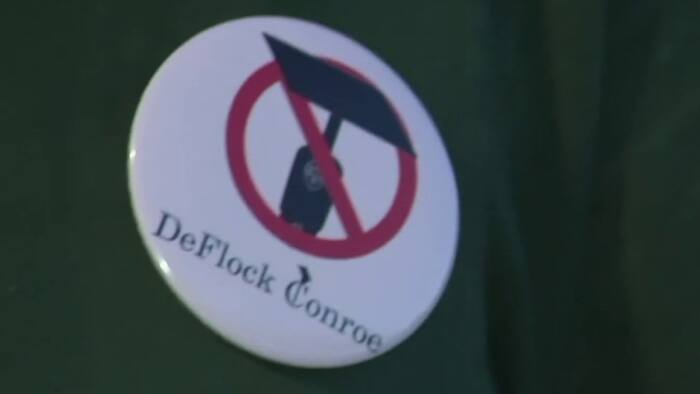
Conroe Petition Seeks Vote on Flock Cameras and Surveillance
James Fletes, who organized the DeFlock Conroe effort, delivered the petition to the city secretary on November 18. Organizers say they collected more than 2,200 signatures, exceeding the number they believe is needed to begin the citizen initiative process. The city must verify how many signatures qualify and confirm the required threshold.
The proposed ordinance would bar Conroe from using or regularly gaining access to automated license plate readers and other systems used to systematically track people who are not under investigation. It also covers technologies such as facial recognition, broad location tracking and interconnected camera networks. The proposal would allow conventional security cameras, police dashboard and body cameras, and targeted drone use for specified purposes.
If the petition qualifies, the City Council could adopt the proposal or send it to voters, Councilmember David Hariel said. A vote could take place May 1. In August, the council refused to put a binding referendum on the November ballot, directing opponents to use the petition process.
Fletes said organizers recognize the cameras can help solve crimes but see privacy and Fourth Amendment concerns as central. Some residents signed to support giving voters a say, including people who favor the cameras. Mayor Duke Coon has said he supports Flock, and the company cited cases in Conroe where its technology helped investigations, including a kidnapping and sexual assault case and a catalytic converter theft ring.
Conroe Residents Push Back on Expanding Surveillance
Conroe residents have delivered a petition seeking limits on automated license plate readers and a wider range of surveillance technology, putting public privacy and voter participation at the center of a dispute over policing tools.
Organizer James Fletes said the effort gathered more than 2,200 signatures. The proposed ordinance would stop the city from operating or routinely accessing systems that systematically track people who are not under investigation, including plate readers, facial recognition and broad location-tracking systems. It would also block routine data-sharing arrangements used to get access to such networks.
The City Council could adopt the proposal if enough signatures qualify or put it before voters, Councilmember David Hariel said. A vote could come May 1. In August, the council refused to schedule a binding referendum for the November ballot, leaving opponents to pursue the petition route.
Fletes acknowledged that the cameras can help solve crimes but said the issue is also about privacy and Fourth Amendment rights. Some supporters of the cameras signed because they wanted voters to decide. Mayor Duke Coon backs Flock, while the company says its technology has helped Conroe investigations. Those public-safety claims do not settle residents’ concerns about routine tracking and who can access the resulting records.
Conroe Petition Puts Proven Crime-Fighting Cameras at Risk
Conroe’s debate over public safety technology is moving toward a possible citywide vote after opponents submitted more than 2,200 signatures on November 18. The proposal could prohibit not just Flock license-plate readers but a broad range of systems used to track members of the public.
Organizer James Fletes said the petitioners accept that the cameras can be effective in solving crimes, but argue that privacy and Fourth Amendment concerns should control the decision. The proposed ordinance would restrict the city’s routine use or access to plate readers, facial recognition, broad location tracking and interconnected camera networks.
If enough signatures qualify, the City Council can adopt the measure or refer it to voters, Councilmember David Hariel said. A vote could take place May 1. In August, the council refused to schedule a binding referendum for the November ballot, prompting opponents to pursue the petition process.
Mayor Duke Coon supports Flock, and the company says its technology has aided Conroe investigations, including a kidnapping and sexual assault case and a catalytic converter theft ring. The proposal would preserve some police tools, including body cameras, dashboard cameras and conventional security cameras, while limiting systems designed for systematic tracking. Voters may ultimately weigh those public-safety benefits against the proposed restrictions.
Reported by ABC13 Houston, KPRC 2 Click2Houston.