Trump Weighs Renewed Strikes on Iran as Israel Pushes for Action
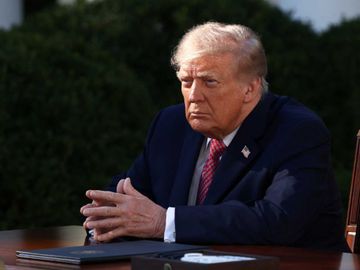
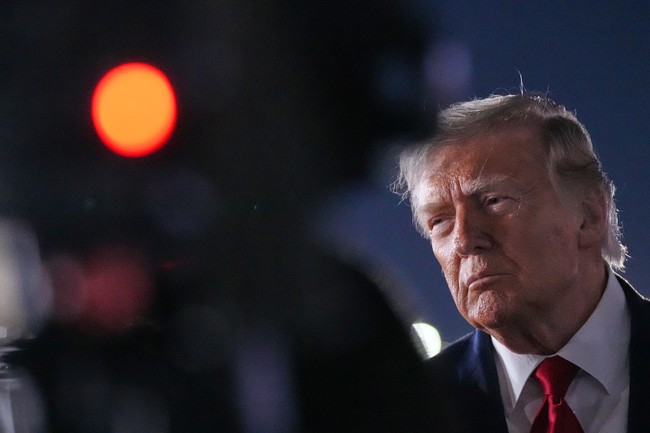
President Donald Trump is weighing a new campaign of U.S. strikes against Iran, while Prime Minister Benjamin Netanyahu is pressing Washington to join an Israeli operation lasting four to seven days. Trump has not authorized an attack and said he would wait to see what happens after the start of 2027 before deciding.
The debate follows warnings from Israel that Iran is rebuilding its missile and drone stockpiles and pursuing chemical and biological weapons capabilities. Trump also cited concerns about Iran examining chemical and biological weapons. U.S. officials disagree over the strength of the intelligence and whether renewed combat would be wise.
U.S. forces have assembled ships, aircraft and bombers in the region, with options presented to Trump by Defense Secretary Pete Hegseth and Joint Chiefs Chairman Gen. Dan Caine. Potential targets include Iranian missiles, drones, energy facilities and Revolutionary Guard sites. Israeli plans also include nuclear facilities and wider attacks on Iran’s energy infrastructure, an option Trump has not approved.
The administration has pulled personnel from regional bases and facilities as a precaution and sent another Patriot missile-defense battery to Israel. The United States is also maintaining its naval blockade of Iranian oil tankers in the Strait of Hormuz and tightening sanctions on Iranian-backed groups, including Hezbollah.
Netanyahu’s political position is uncertain after last month’s Israeli election, with opposition parties seeking to form a government. In the United States, the war has contributed to higher prices and voters expressed displeasure in the midterm election. Trump has alternated between saying the conflict is over and warning he could strike to prevent Iran from obtaining a nuclear weapon.
Another Iran War Risks Repeating a Costly Failure
The prospect of another U.S. attack on Iran is growing even as the first campaign has driven up prices and failed to deliver the quick victory Trump promised. On November 18, Trump was weighing options while Israeli Prime Minister Benjamin Netanyahu pressed for a four-to-seven-day strike operation.
Trump said he was not rushing and would see what happens after the start of 2027. That caution matters: officials within his administration dispute the intelligence case and the wisdom of reopening major combat. Israel’s claims about Iran rebuilding missiles and drones and pursuing chemical and biological weapons have not erased those divisions.
The military has assembled substantial forces, and proposed targets include Iranian weapons, Revolutionary Guard sites and energy facilities. Israel has also considered strikes on nuclear sites and broad attacks on energy infrastructure, which could affect civilians and industry. Trump has not agreed to the latter plan.
Washington has also withdrawn personnel from regional facilities as a precaution, while continuing sanctions and a naval blockade. The administration’s choices now are not simply between action and inaction: it is already applying economic pressure while keeping military options ready.
Netanyahu’s government faces a challenge from opposition parties seeking to form a coalition after last month’s election. Renewed fighting would carry consequences for both countries, while the American public has already shown displeasure with the war. The case for another campaign must contend with those costs, not just promises of a decisive outcome.
Trump Should Not Let Netanyahu Rush America Into War
President Donald Trump has not committed the United States to another Iran campaign, despite strong pressure from Israeli Prime Minister Benjamin Netanyahu. Trump said he was not rushing into a decision and would assess events after the start of 2027.
Israel has warned that Iran is rebuilding missile and drone arsenals and pursuing chemical and biological weapons. But U.S. officials differ over the intelligence and whether another round of combat is the right response. That disagreement deserves serious consideration before American forces are sent back into a major conflict.
The military has positioned ships and aircraft in the region, and Trump has been offered options that include strikes on Iranian weapons and Revolutionary Guard facilities. Israeli plans extend further, encompassing nuclear sites and energy infrastructure. Trump has yet to approve attacks on Iran’s energy system.
The United States is already using economic pressure, including sanctions on Iranian-backed groups, and maintaining a blockade of Iranian oil tankers in the Strait of Hormuz. A U.S. official said the pressure campaign had badly damaged Iran, while the administration says military options remain available to prevent it from acquiring a nuclear weapon.
Netanyahu’s political future is unsettled after an election, and opposition parties are trying to form a government. Those Israeli pressures should not dictate U.S. military policy. With personnel withdrawn from regional facilities as a precaution and forces ready for possible action, Trump’s decision will determine whether Washington keeps applying pressure or expands the conflict.
Reported by The Boston Globe, New York Post, Yahoo News, CBS News, CBS New York.