Atlanta Weighs New Rules for Police Surveillance Technology
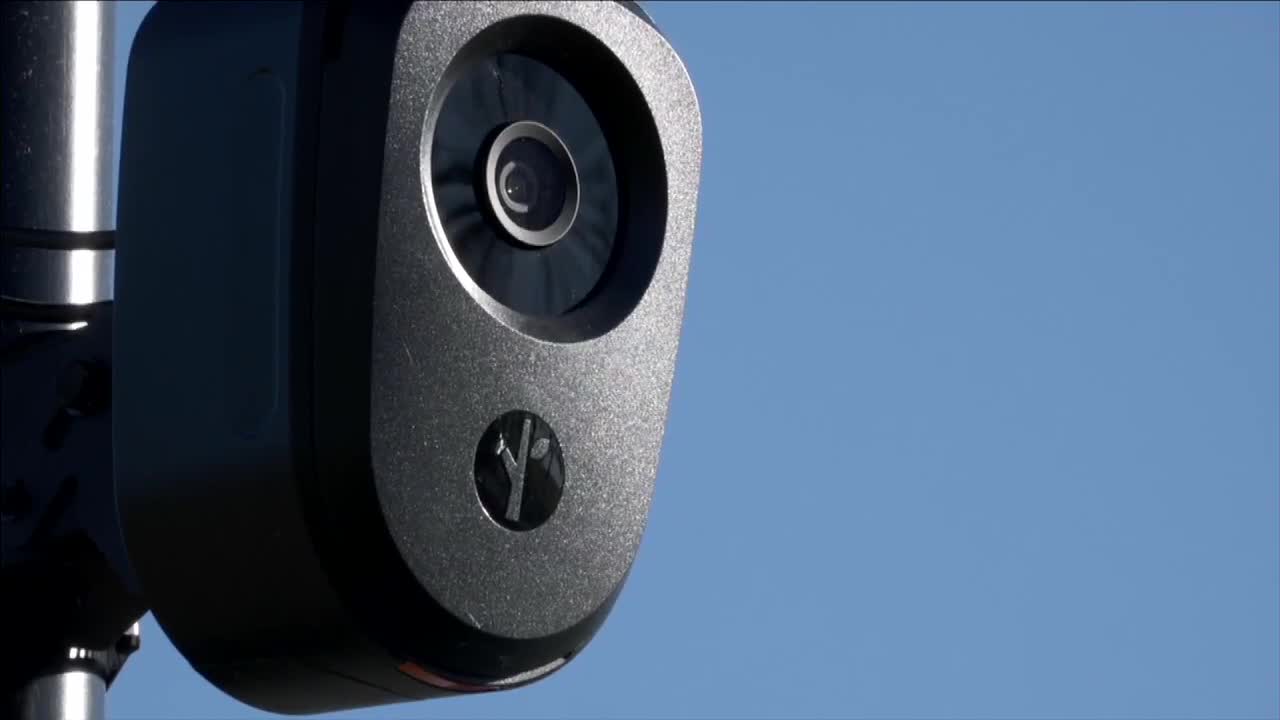
Atlanta City Council members discussed a proposed ordinance on November 18 that would create citywide rules for surveillance technology, including police cameras and automated license plate readers. No vote was taken during the discussion. The proposal is moving through the council’s Public Safety Committee for consideration on a second reading; if adopted, it would set lasting citywide rules governing how the technology is used.
The plan would sort surveillance tools into three tiers according to their capabilities and potential impact. Low-impact Tier 1 tools would be exempt from review. Tier 2 systems, including automated license plate readers, would require an impact report, a formal use policy and review by a panel that includes public comment. Tier 3 tools, such as facial recognition, would face those requirements plus a full council vote before deployment.
The suggested oversight group would comprise city legislators, local stakeholders, and a specialist selected by Georgia’s ACLU chapter. The ordinance would also require monthly police audits, with violations reported to the council, and bar vendors and contractors from profiting from personal data collected by the systems.
Police Chief Darin Schierbaum defended the department’s use of the tools and said officers who misuse them would face discipline. He told council members that more than 62% of Atlanta police homicide arrests this year were linked to automated license plate readers. Council member Liliana Bakhtiari argued that oversight should have been established earlier and raised concerns about possible profiling and arrests based on errors. Council President Marci Collier Overstreet said the city needs clear limits, while noting that some residents want cameras.
Atlanta’s Surveillance Rules Must Put Privacy Before Police Access
Atlanta’s proposed surveillance rules would finally put public oversight between residents and police technology. The City Council discussed the measure on November 18, with no vote taken at the session. The proposal would establish a three-tier system, requiring public comment and review for tools such as automated license plate readers, and a full council vote before deploying facial recognition.
That scrutiny matters because the city’s own debate includes concerns about profiling and arrests tied to technology errors. Council member Liliana Bakhtiari said regulation should have come earlier and questioned what harm may have occurred during the years without rules. The proposal would also require monthly police audits, report violations to the council and prevent vendors from profiting from collected personal data.
Police Chief Darin Schierbaum defended the department’s use of surveillance and said officers who misuse technology would be disciplined. He also told council members that more than 62% of Atlanta police homicide arrests this year were linked to automated license plate readers. But a public-safety benefit does not remove the need for limits: the proposed panel includes community representatives, and the process would give residents a voice in how these tools are used. The measure is moving through the Public Safety Committee for a second reading. The city should not treat police assurances as a substitute for enforceable accountability.
Atlanta Must Preserve Crime-Fighting Tools While Setting Clear Rules
Atlanta is considering new checks on surveillance technology that police say is helping solve violent crimes. At a November 18 council discussion, Police Chief Darin Schierbaum said more than 62% of the department’s homicide arrests this year were linked to automated license plate readers. The proposal should establish accountability without making effective investigative tools harder to use.
The ordinance would divide technology into three tiers. Low-impact systems would be exempt from review; automated license plate readers would require an impact report, a use policy and panel review with public comment. Facial recognition and other Tier 3 tools would also need a full City Council vote before deployment. Monthly police audits and reports of violations would add oversight, while vendors and contractors would be barred from profiting from personal data.
Schierbaum said officers who misuse technology would face discipline, and Council President Marci Collier Overstreet acknowledged that some Atlanta residents want cameras even as she called for clear limits. Those interests belong in the same debate: privacy safeguards matter, but so does the ability to use technology in homicide investigations. A broad approval process should not lose sight of that public-safety purpose. The proposal has not passed; it is proceeding through the council’s Public Safety Committee for consideration on a second reading.
Reported by FOX 5 Atlanta, Atlanta News First.