California Bars Waymo Vehicles From State Freeways
The California Department of Motor Vehicles ordered Waymo to keep its autonomous vehicles off state freeways, saying they presented an imminent safety risk. The restriction took effect November 11 and will remain until the company shows it has made effective fixes, the agency said.
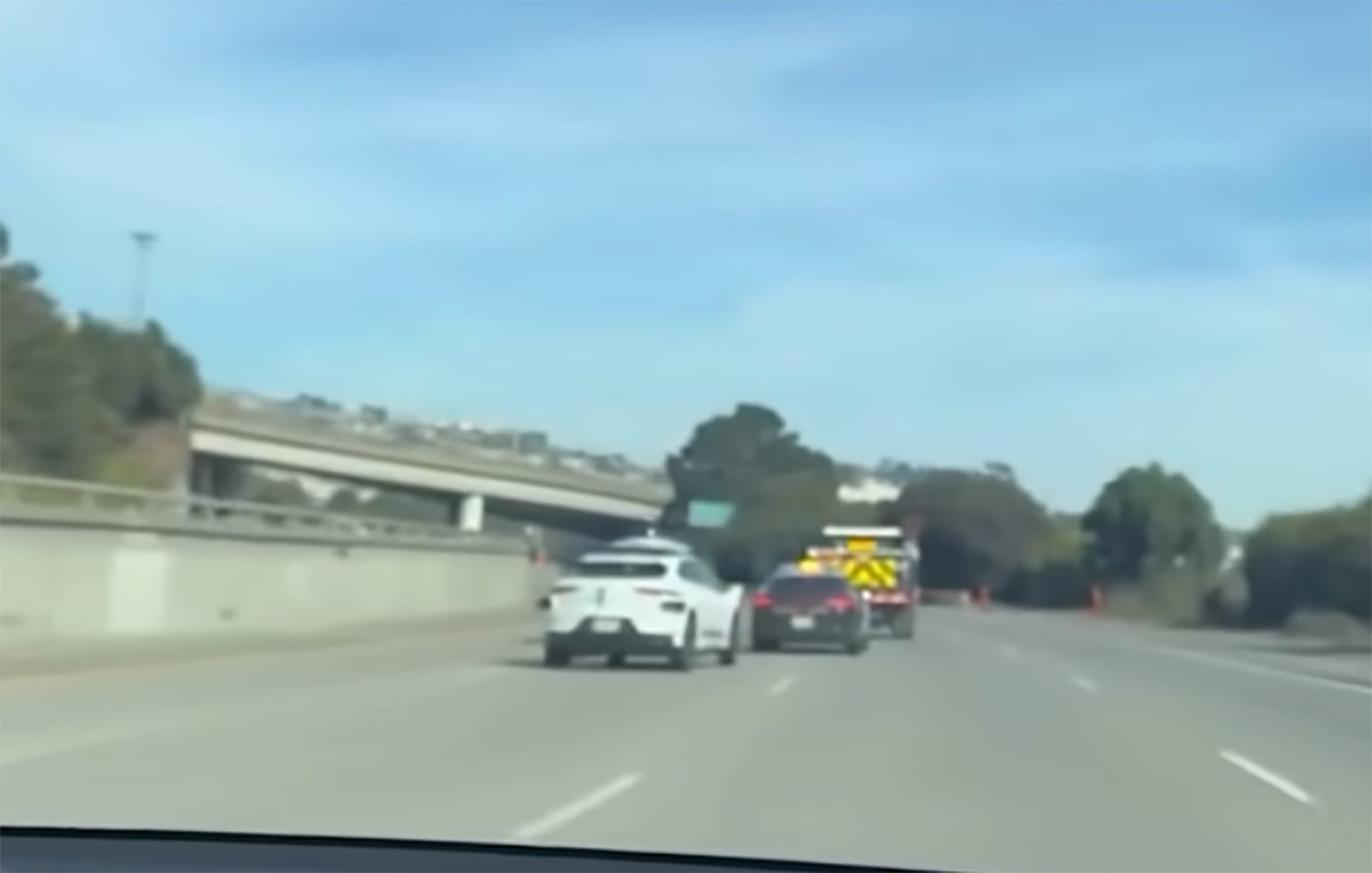
The DMV cited three Waymo vehicles entering an active construction area on U.S. 101 near Burlingame, putting workers, equipment and nearby traffic at risk. It said similar events had happened more than once. The agency also pointed to a video showing a Waymo vehicle trying to pass California Highway Patrol cars as they conducted a brief traffic stoppage on Interstate 280 earlier in the month.
Waymo said its ride-hailing service continues to operate on surface streets, handling more than 500,000 trips a week, and that it is working with state officials to restore freeway service. In May, the company had paused freeway service across urban areas such as San Francisco and Los Angeles, while improving how its vehicles handled construction zones.
Billy Riggs, a University of San Francisco professor, said autonomous vehicles may be safer than human drivers overall, but can struggle to interpret context. San Francisco resident Elliot Slade, who said a Waymo he rode in earlier this year entered a construction zone, said the experience made him less willing to use the service. He said he remained disappointed and concerned about the consequences of further incidents.
California’s Freeway Ban Puts Road Safety Ahead of Waymo’s Expansion
California’s DMV has put public safety ahead of Waymo’s freeway service, barring the company’s autonomous vehicles from state freeways after incidents that endangered workers and other road users. The order took effect November 11 and remains until Waymo demonstrates effective corrective action.
The agency cited three Waymo vehicles entering an active construction site on U.S. 101 near Burlingame, as well as video of a vehicle trying to pass CHP cars conducting a traffic break on Interstate 280. The DMV said construction-zone problems had recurred. Those are concrete reasons for regulators to demand changes before freeway operations resume.
Waymo says its surface-street ride service continues to make more than 500,000 trips weekly and that it is working with state officials. But service volume does not resolve the specific concerns raised about freeway behavior. The company had already paused freeway operations in several cities in May to improve its vehicles’ response to construction zones.
Professor Billy Riggs said autonomous vehicles may be safer overall than human drivers, while warning they can fail to grasp context. San Francisco resident Elliot Slade, who said a Waymo ride earlier this year took him into a construction zone, said he was now less inclined to use the service. The DMV’s standard is appropriate: Waymo should show its fixes work before returning to freeways.
Waymo’s Freeway Suspension Shows the Cost of a Risk-Averse Response
California has barred Waymo from state freeways after a series of incidents, imposing a sweeping restriction while the company works with officials on corrective measures. The order took effect November 11 and will stay in force until the DMV is satisfied with Waymo’s response.
The agency cited three vehicles entering an active construction zone on U.S. 101 near Burlingame and a video of a Waymo vehicle trying to pass CHP patrol cars during a traffic break on Interstate 280. The episodes raise legitimate safety concerns, but they also put the challenge of improving a developing technology in sharp relief.
Waymo says its service continues on surface streets, carrying more than 500,000 trips per week, and that it is working to resume freeway operations. In May, it paused freeway service in several cities to improve performance around construction zones. A broad freeway ban makes the company’s proof of improvement, rather than ongoing operations, the condition for restoring service.
University of San Francisco professor Billy Riggs said self-driving cars have a better safety record overall than human drivers, while noting that interpreting context can be difficult for them. San Francisco resident Elliot Slade, whose ride he said entered a construction zone, has lost confidence in the service. The safety concerns deserve attention, but the focus should remain on effective corrections and a path back to operation.
Reported by ABC7 San Francisco, ABC7 Los Angeles, SFist, The San Francisco Standard, The Verge, Wired, TechCrunch, CNN, FOX 11 Los Angeles, The Philadelphia Inquirer, Business Insider, CBS Los Angeles, Engadget, New York Post, NBC News, LAist, Denver7, Newsweek, Fox Business, Boston.com, Daily Mail US, ABC News, The Daily Wire, The Washington Examiner, Ars Technica, Fortune, BBC, FOX 10 Phoenix, Hot Air, Breitbart, Reason.





