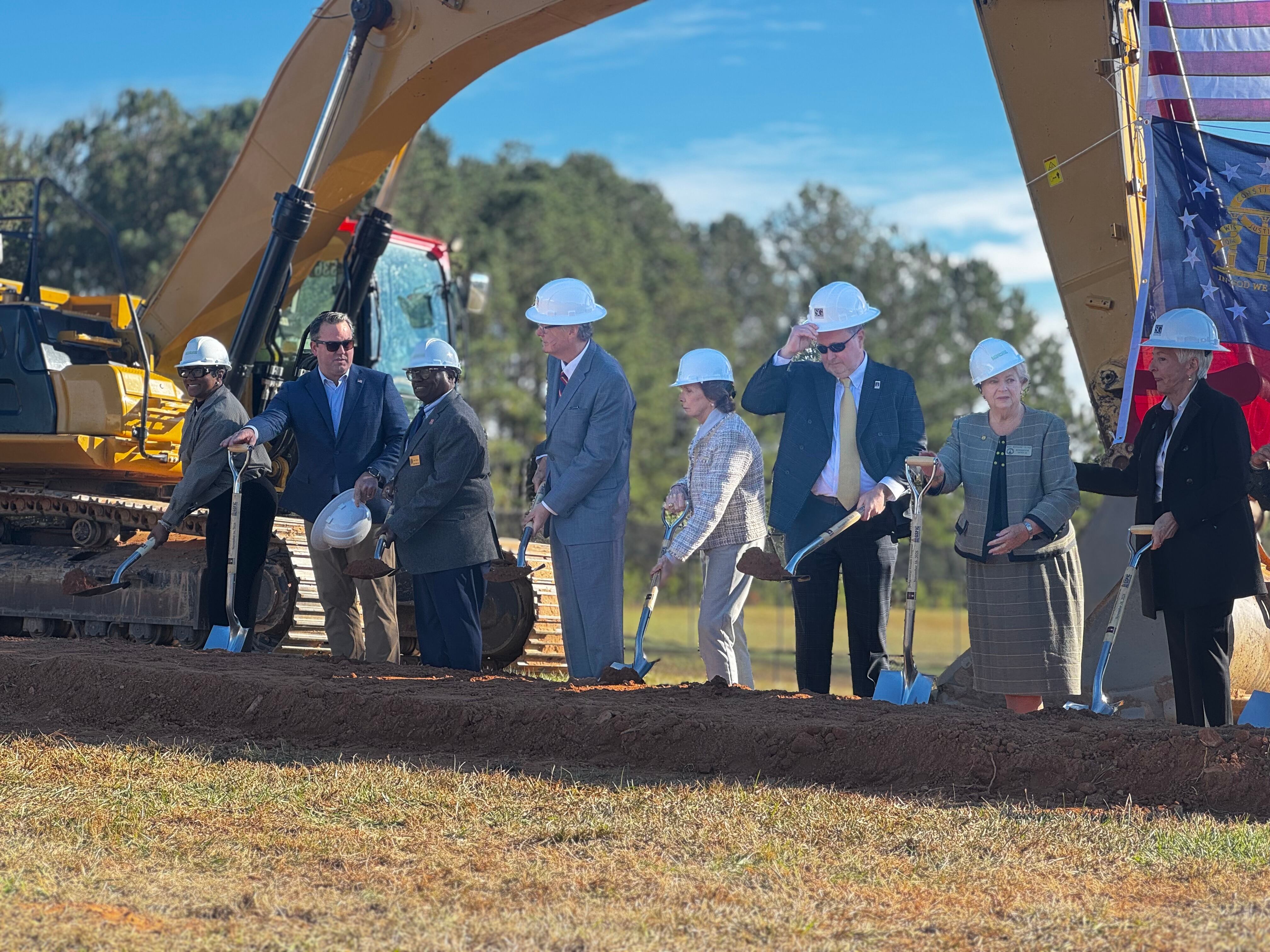
Georgia Breaks Ground on $409 Million Psychiatric Hospital
Georgia officials began construction on November 16 of a new state psychiatric hospital in DeKalb County, a project intended to expand care for people in the criminal justice system. The 300-bed facility is expected to take about three years to build, with completion anticipated around late 2029. This will be the state’s first psychiatric hospital built in over 60 years.
The commissioner of Georgia’s Department of Behavioral Health and Developmental Disabilities, Kevin Tanner, said more than 850 people were waiting for a forensic hospital bed. At first, the facility will admit only forensic patients, including people who need treatment to become competent to stand trial and some found not guilty by reason of insanity. It is not intended to provide routine psychiatric care to the wider public.
The backlog places pressure on local jails, where people can wait for care that jails are not equipped to provide. State Rep. Mary Margaret Oliver said families experience distress as they wait, and that jails are not an appropriate setting for mental health treatment. Lieutenant Governor Burt Jones said sheriffs have repeatedly raised concerns about housing people with serious mental health needs in jail.
The project has $409 million in state funding for design and construction. Senate Appropriations Chairman Blake Tillery said lawmakers will also need to provide for staffing and operations after construction. The state is expanding other forensic services as well, including a 40-bed restoration facility in Augusta.
The additional beds may not eliminate the backlog: their impact will depend on staffing, how long patients remain in treatment and future demand. State officials and lawmakers will need to address operating funds and the needs of people waiting while construction proceeds. The Southern Center for Human Rights has also called for crisis services, outpatient care and diversion programs to help keep people facing behavioral-health challenges out of criminal proceedings.
Georgia’s Jail Mental Health Crisis Demands More Than New Beds
More than 850 people were waiting for a forensic hospital bed as Georgia broke ground on November 16 on a psychiatric hospital costing $409 million in DeKalb County. The 300-bed project may expand treatment, but it will not help people who remain in jail during construction—and new beds alone may not clear the backlog.
The facility is intended for people facing criminal proceedings who require psychiatric services ordered by a court, including treatment to become competent to stand trial. It is not a general hospital for the public. Construction is expected to take about three years, with completion anticipated around late 2029.
The strain is already being felt in local jails, which officials say are not equipped to provide the care some people need. State Rep. Mary Margaret Oliver said families face heartache while loved ones wait, and that jails are not the right setting for mental health treatment.
The $409 million construction investment is only part of the obligation. Senate Appropriations Chairman Blake Tillery said the state must fund staffing and operations once the facility is built. How many people it can serve will also depend on how long patients stay and how many need care.
The Southern Center for Human Rights has urged Georgia to expand crisis services, outpatient treatment and diversion programs so people experiencing behavioral-health challenges can avoid criminal-system involvement. The state is also developing a 40-bed restoration facility in Augusta. A new hospital is a step toward care, but the people waiting now and the need for alternatives to jail remain central challenges.
Georgia Adds Forensic Beds as Jail Backlog Tops 850
Georgia is moving to expand forensic mental health capacity, breaking ground on November 16 on a $409 million state hospital in DeKalb County. More than 850 people were waiting for forensic services, Commissioner Kevin Tanner said, while local sheriffs have raised concerns about jails housing people with serious mental health needs.
The planned 300-bed facility will treat individuals involved in criminal cases who require psychiatric evaluations or treatment ordered by a court, including some who must regain competency to stand trial. It is not a general psychiatric hospital. Construction is expected to take about three years, and the state hopes to finish sooner.
The project is a substantial construction commitment, but it will deliver its intended capacity only if the state also supports staffing and operations. Senate Appropriations Chairman Blake Tillery emphasized that lawmakers must keep funding the facility after its construction costs are covered. The state is also expanding forensic services through a 40-bed restoration facility in Augusta.
The new hospital is designed to ease pressure on jails, courts and existing state hospitals. Its ability to reduce the waiting list will depend on staffing, patient stays and continuing demand, so the 300 beds should not be treated as a guaranteed end to the backlog.
Some lawmakers and advocates have called for more prevention, outpatient treatment and diversion programs. Those services are part of the broader discussion, but the immediate backlog and the limits of jail-based care make additional treatment capacity an urgent responsibility for state leaders. Funding the building is only the start; Georgia will also have to ensure it can operate.
Reported by Atlanta News First, FOX 5 Atlanta.