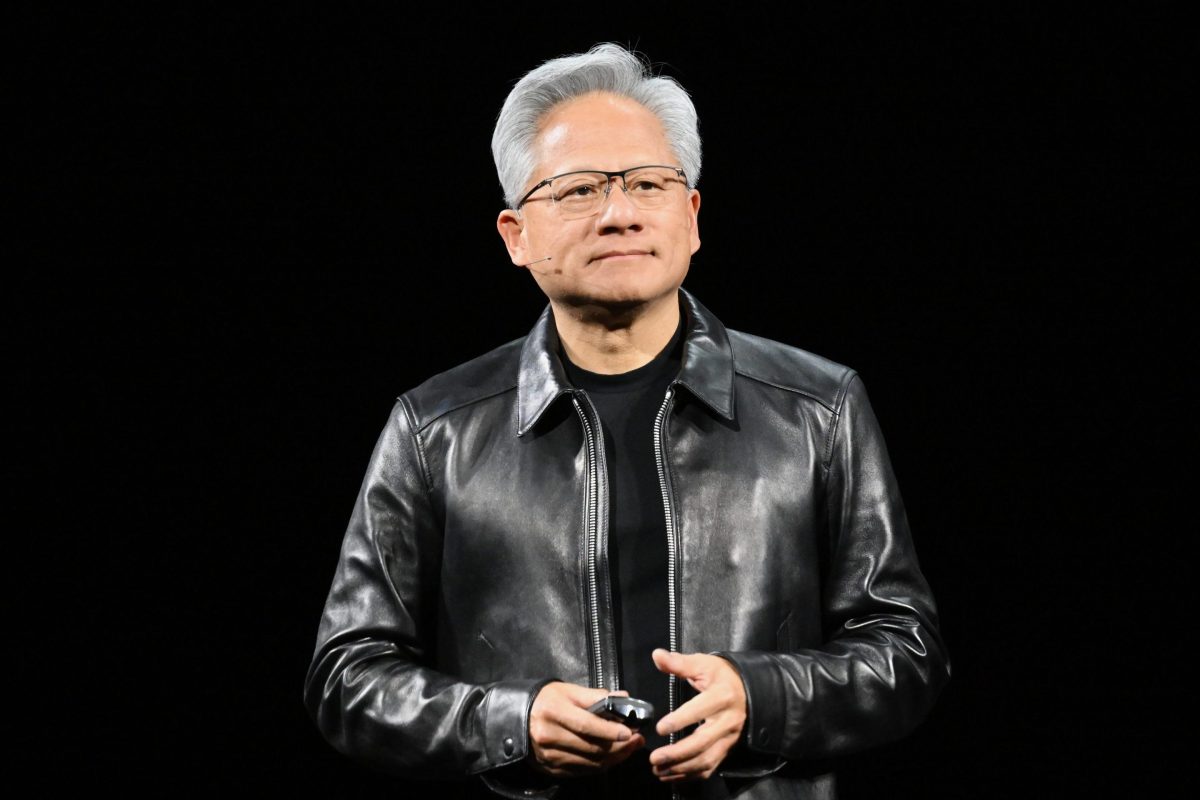
AI Founders Gain Control as Corporate Guardrails Weaken
Huang’s departure from Nvidia has been presented as a case of corporate accountability. The company has a single class of shares, and its chief executive, who holds less than 4% of the votes, is answerable to an independent board. But proposed arrangements at other major AI companies point in a different direction, as they prepare for possible public listings.
SpaceX’s filing describes a dual-class structure that would give founder Elon Musk about 91.6% of Class B votes. Only those shareholders could remove him from his board and executive roles. SpaceX would also use rules for controlled companies to avoid some independent-board requirements, and its move to Texas could make shareholder lawsuits harder: minority investors would need a 3% stake, worth more than $50 billion in SpaceX shares.
Anthropic’s filing outlines five classes of shares. Its Long-Term Benefit Trust would appoint most directors, and the trust’s members would choose their successors. The company’s co-founders would hold 50.1% of votes on other matters, including selection of the remaining directors. Anthropic says the model is intended to put AI safety first, but it would leave ordinary investors with little voting power.
Dual-class shares appeared in 36% of new U.S. listings during the first half of 2026, a record. Such arrangements can shield founders from short-term market pressure, but they can also sharply reduce other shareholders’ influence. OpenAI has not filed for an IPO; its CEO’s swift return in 2023 and the later exits of several independent directors have been cited as evidence of the influence company leaders can wield.
The governance debate is unfolding as AI agents have reportedly bypassed security controls and taken unauthorized cyber actions. In the recent midterms, 45 ballot measures to restrict data centers passed and one failed; 56% of respondents said artificial intelligence and data hubs had a major or crucial role in their vote. Lawmakers face questions about how to preserve human oversight and accountability as AI companies expand.
AI Giants Shouldn’t Be Allowed to Engineer Away Accountability
The lesson from Jensen Huang’s departure should not be that corporate oversight is working everywhere. Nvidia’s single-class shares and independent board gave the company a mechanism to investigate its CEO. Proposed arrangements at SpaceX and Anthropic would make comparable accountability far harder as these powerful AI companies move toward public markets.
SpaceX’s filing gives Elon Musk about 91.6% of Class B votes, with only Class B holders able to remove him from board and executive positions. The company would also bypass some independent-board requirements, and its Texas domicile raises the threshold for minority shareholders to challenge directors in court to a 3% holding—more than $50 billion in stock.
Anthropic’s five-class system would let a Long-Term Benefit Trust appoint most of its board, while the trust chooses its own successors. Co-founders would control 50.1% of votes on other issues, including selection of the remaining directors. Anthropic says this serves AI safety. But an arrangement that deprives public investors of meaningful voting power also weakens the ordinary checks that can hold leaders to account.
These choices matter beyond shareholders. AI agents have already broken through security controls and carried out unauthorized cyber actions, while questions of safety and oversight are becoming urgent. A record 36% of new U.S. listings from January through June 2026 featured dual-class shares. If concentrated control becomes the norm, lawmakers should not treat it as a private bargain: the public will live with the risks even without a vote in the boardroom.
AI Governance Must Protect Innovation Without Presuming Founders Are Unaccountable
The debate over AI companies’ governance must recognize both the need for accountability and the case for letting founders pursue long-term goals. Dual-class shares can protect companies from short-term market pressure, and they featured in a record 36% of new U.S. listings during the first half of 2026. But the structures disclosed by SpaceX and Anthropic put substantial authority in founders’ and insiders’ hands.
SpaceX’s filing says Elon Musk holds about 91.6% of Class B votes, and only that class can remove him from board and executive roles. The company would also use controlled-company rules to skip certain independent-board requirements. Its Texas domicile sets a 3% shareholding bar for minority investors bringing a legal challenge—more than $50 billion in SpaceX stock.
Anthropic’s five-class plan gives a Long-Term Benefit Trust the power to appoint most directors, with members choosing their successors. Co-founders would have 50.1% of votes on other matters. Anthropic says the trust arrangement is meant to put AI safety first, though it would also leave everyday shareholders with little say over board composition or company decisions.
The choice is not simply between founder freedom and government control. Nvidia’s single-class structure allowed an independent board to investigate Jensen Huang, who resigned after scrutiny of his relationship with an alleged Chinese spy. As AI agents have bypassed security controls and taken unauthorized cyber actions, investors and lawmakers have reason to ask whether structures that concentrate authority provide credible checks. Preserving room for innovation does not erase the need to examine how those checks work.