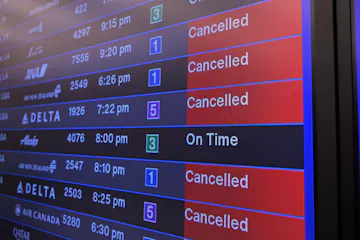
FAA probes routers behind nationwide flight ground stop
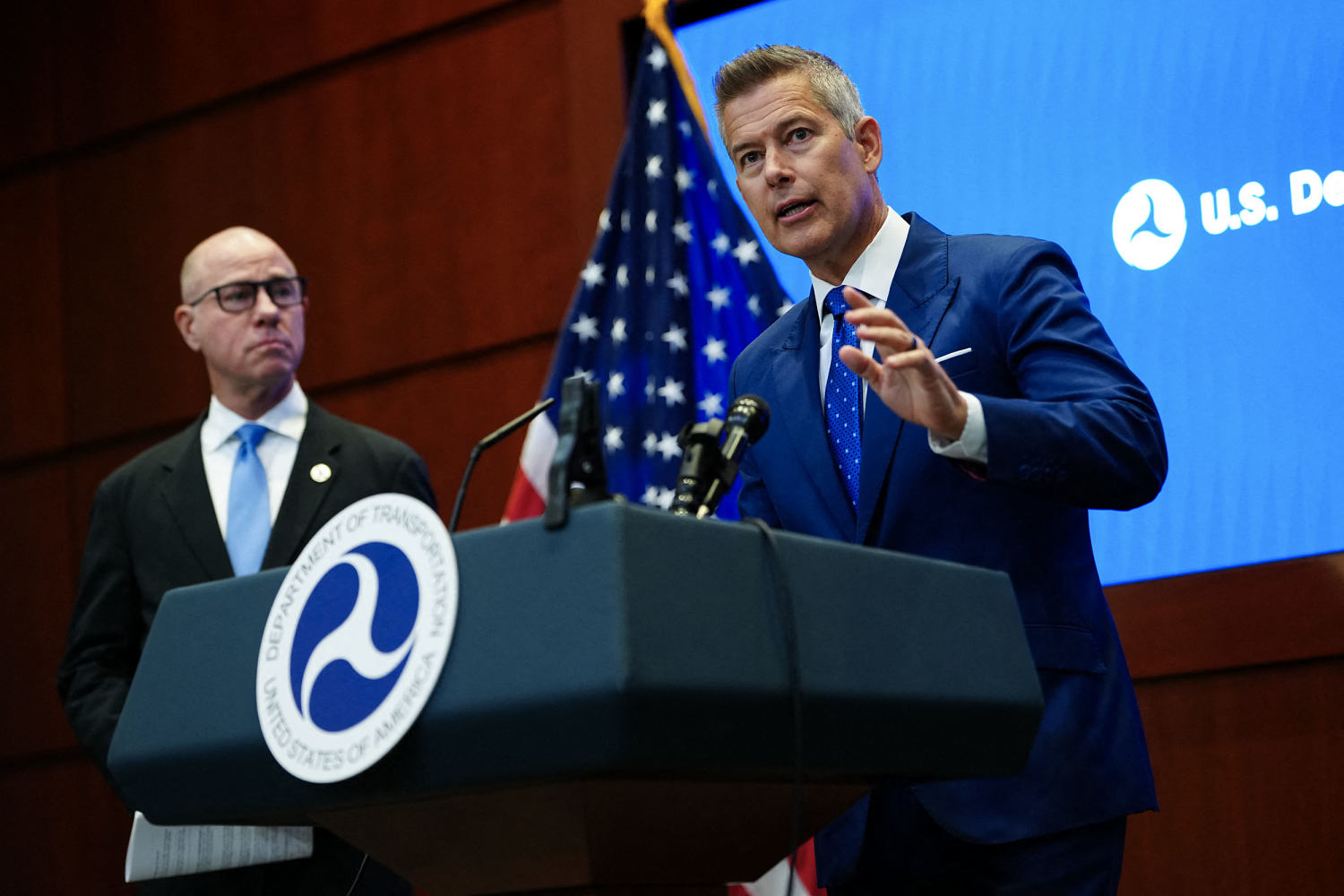
Officials are examining two routers recently installed at Federal Aviation Administration sites in Arkansas and Texas after a technical failure led to planes being grounded across the United States on November 13. Transportation Secretary Sean Duffy said on November 15 that the government would identify the cause before making broad changes to air traffic control systems.
Duffy said the problem emerged during work to replace old copper wiring with fiber. After a router was switched on at the site in El Dorado, Arkansas, a problem surfaced at a facility in Amarillo, Texas, and the failure spread. Contractor L3Harris Technologies and other engineers are conducting diagnostics on the equipment.
Duffy said intelligence agencies had not found the signs they would typically expect in a cyberattack. He said air travel should be operating at full capacity by November 16, as airlines and airports worked to restore normal service.
President Donald Trump commented publicly on November 15, two days after the ground stop. He said his administration had begun upgrading air traffic control and urged Congress to approve more funding, arguing the system was decades old. Congress approved $12.5 billion for the FAA in last year’s tax-cut package; Duffy called that a down payment on a larger overhaul.
Duffy said responsibility for years of underinvestment crossed party lines. He noted that firms such as AT&T, Verizon and Lumen stood ready to deploy a new network architecture if Congress provided the money. Trump blamed the Biden administration for worsening the system, while Biden’s infrastructure law had allocated $25 billion for FAA improvements.
Aging FAA system exposes cost of years of underinvestment
A technical failure that grounded planes across the United States on November 13 has renewed questions about the condition of the air traffic control system and the resources devoted to it. Officials are inspecting routers at FAA facilities in Arkansas and Texas, and Transportation Secretary Sean Duffy says they will determine the cause before pursuing broad fixes.
Duffy said the failure followed a project replacing copper wire with fiber. A problem developed after a router was activated in El Dorado, Arkansas, then appeared at an Amarillo, Texas, facility. The contractor and other engineers are analyzing the equipment; Duffy said agencies had not found the indicators they would normally expect from a cyberattack.
The administration says the breakdown did not appear to prevent a return to full capacity by November 16. But Duffy is pressing Congress for billions in additional funding, describing the $12.5 billion approved for the FAA last year as only a down payment. The infrastructure law signed by Joe Biden had also set aside $25 billion for FAA improvements.
Trump blamed Biden’s administration for making the system worse. Duffy, by contrast, said the failure reflected decades of inadequate investment by both parties. His account underscores why assigning blame cannot substitute for funding and a careful investigation into how the equipment failure spread.
FAA breakdown renews call for decisive air traffic overhaul
A nationwide flight ground stop on November 13 laid bare the vulnerability of an air traffic control network that President Donald Trump says is roughly 50 years old. Transportation Secretary Sean Duffy said officials are investigating two routers in Arkansas and Texas before deciding on broad fixes, while pushing Congress to fund a larger overhaul.
The trouble followed a project replacing copper wiring with fiber. Duffy said a router activation at the El Dorado, Arkansas, site was followed by a problem at an FAA facility in Amarillo, Texas, triggering a wider disruption. L3Harris Technologies and other engineers are examining the equipment. Duffy said intelligence agencies had not found the signs they would normally expect in a cyberattack.
Trump said his administration had begun upgrades but argued that piecemeal work was not enough. Congress approved $12.5 billion for the FAA in last year’s tax-cut package, which Duffy described as a down payment. He said AT&T, Verizon and Lumen were prepared to deploy a new network architecture if more money were approved.
Trump blamed the Biden administration for leaving the system worse than before. Biden’s infrastructure law allocated $25 billion for FAA improvements, but Duffy said the underlying problem spans decades and cannot be pinned on one party. He said flights should return to full capacity by November 16.
Reported by The Philadelphia Inquirer, The Daily Wire, The Boston Globe, MSNBC.