Alaska voters reject effort to end ranked-choice voting
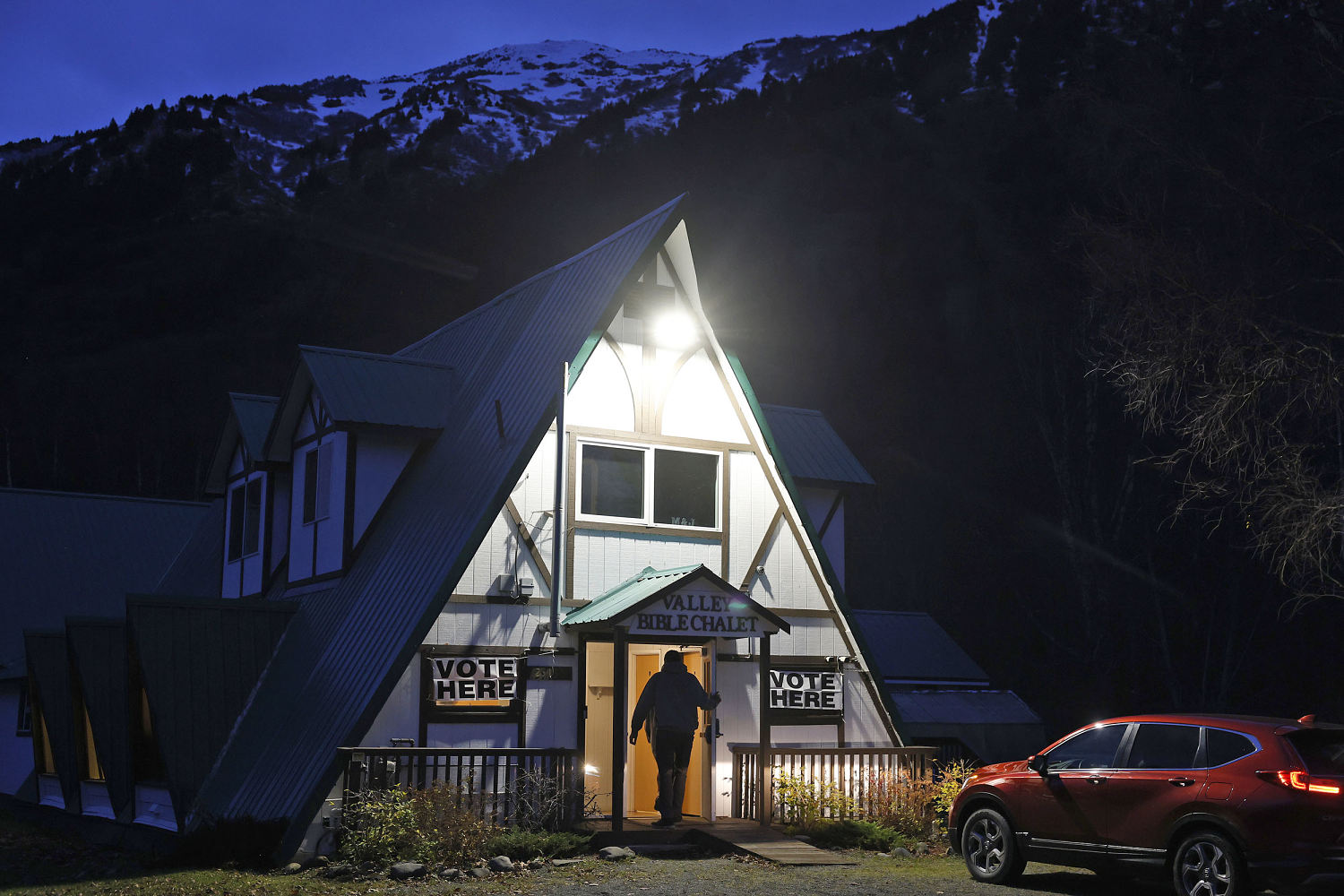
On November 3, Alaska voters rejected a measure that would have restored partisan primaries and general elections in which voters select only one candidate. It was the second failed repeal effort in two years. The measure also would have rolled back some campaign disclosure rules.
Under Alaska’s system, candidates from every party compete in the same primary, and the four leading vote-getters advance. In the general election, voters rank the candidates. If no one receives more than half the first-choice votes, the last-place candidate is eliminated and votes are reassigned according to voters’ next preferences until someone has a majority.
Voters approved the system in 2020, and it first took effect in 2022. Supporters say it gives voters more options, encourages candidates to reach beyond their party’s core supporters and has helped produce bipartisan coalitions in the Legislature. Opponents, including President Donald Trump, argue the process is confusing. Elon Musk was among donors who backed the repeal effort.
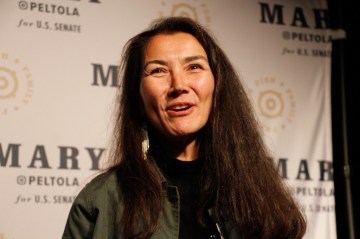
The system drew attention during the state’s competitive Senate race after a controversy over a candidate named Dan J. Sullivan, the same name as Republican Sen. Dan Sullivan. Mary Peltola and her campaign denied recruiting the retired teacher or taking part in his campaign. State and federal investigations are underway. A federal judge turned down a bid from the Trump administration to separate ballots cast for Dan J. Sullivan.
Alaska and Maine are the only states using ranked-choice voting in statewide elections. The measure’s defeat preserves Alaska’s open-primary and ranked-choice system.
Alaska voters preserve a system that broadens political choice
Alaska voters have again rejected an effort to dismantle open primaries and ranked-choice voting. The November 3 measure would have returned the state to partisan primaries and single-choice general elections, while also repealing some campaign disclosure rules.
Voters adopted the current system in 2020, and it began operating in 2022. All candidates run together in the primary, with the top four advancing; voters then rank those candidates in the general election. If no candidate wins a majority of first-choice votes, ballots are recounted through successive eliminations and transfers.
Supporters say the system gives voters more choices and pushes candidates to build support beyond their party’s base. They also cite bipartisan coalitions that have governed the state Legislature lately. Critics, among them President Donald Trump, call the process confusing, and Elon Musk was among donors backing repeal. Voters have now rejected repeal attempts twice in two years.
The system faced heightened attention amid a Senate-race controversy involving Dan J. Sullivan, a retired teacher with the same name as Republican Sen. Dan Sullivan. Mary Peltola and her campaign denied recruiting him or participating in his campaign. State and federal investigations are underway; a federal judge dismissed the Trump administration’s effort to segregate ballots cast for him.
Alaska and Maine are the only states using ranked-choice voting statewide. Alaska voters have chosen to retain a process its supporters say broadens participation rather than return to the old system.
Alaska keeps an election system Trump calls confusing
Alaska voters have kept an election system President Donald Trump has long criticized as confusing, rejecting a November 3 measure to restore partisan primaries and general elections with one choice per voter. The proposal would also have undone certain campaign disclosure rules.
Candidates from every party appear together on one primary ballot, and the four leading vote-getters advance. In the general election, voters rank candidates, and a sequence of eliminations and vote transfers continues if no one wins a majority of first-choice votes. Voters adopted the system in 2020, and it took effect in 2022.
Opponents argue the process is confusing. Still, the repeal effort failed for the second time in two years. Elon Musk was among donors who supported the effort. Supporters say ranked voting gives voters more options, encourages candidates to reach across party lines and has contributed to bipartisan coalitions in the Legislature.
The system was also under scrutiny during the competitive Senate race, amid controversy over Dan J. Sullivan, a retired teacher with the same name as Republican Sen. Dan Sullivan. Mary Peltola and her campaign denied recruiting him or involvement in his campaign. State and federal investigations are underway, and a federal judge dismissed the Trump administration’s bid to segregate ballots cast for him.
Alaska and Maine are the only states using ranked-choice voting in statewide elections. Alaska’s decision leaves its open-primary and ranked-choice system in place.
Reported by NBC News, The Philadelphia Inquirer, Newsweek, PBS NewsHour, Raw Story.