UK Names Climate Security Envoy as Island Leaders Demand Action
At the U.N. climate summit in Antalya on November 11, leaders from vulnerable island nations called climate change an immediate threat to their countries. Seychelles Vice President Alix Sebastien Pillay said storms and floods have caused millions of dollars in damage, despite Seychelles contributing little to planet-warming emissions. He urged countries to strengthen a U.N. fund for climate-related losses, saying recovery should not undermine development or deepen debt.
Niue Prime Minister Dalton Tagelagi pointed to central Pacific sea temperatures more than three degrees above normal as a warning of the consequences of failing to cut emissions. A Climate Action Tracker assessment said global climate action had made no net progress for five years. Even if countries meet all their pledges, it projected warming of 2.6 degrees Celsius above preindustrial levels by the end of the century, beyond the Paris Agreement’s 1.5-degree threshold.
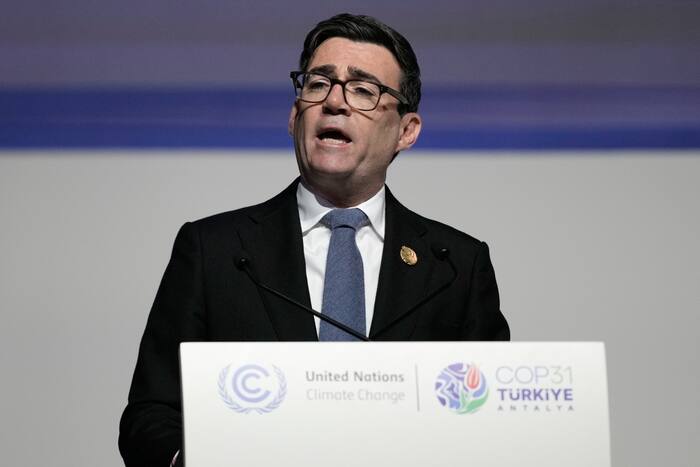
British Prime Minister Andy Burnham announced Madeleine Alessandri as the UK’s special representative for climate security. He said climate change threatens national security and that Britain would prioritize resilience when it takes on the G20 presidency next year. A British government assessment warned that ecosystem damage could disrupt food supplies and contribute to conflict and migration; the UK imports about 40% of its food.
Pakistani Prime Minister Shehbaz Sharif called for adequate financing for countries facing climate disasters, citing Pakistan’s 2022 floods, which submerged more than a third of the country, killed thousands and caused over $30 billion in damage. Island leaders also warned of rising seas and worsening climate impacts, urging action from countries whose emissions contribute to warming.
Climate Threats Demand Action as Island Nations Pay the Price
Island leaders at the U.N. climate summit in Antalya made clear that climate change is already a security and survival issue, not a distant concern. Seychelles Vice President Alix Sebastien Pillay said storms and floods have caused millions of dollars in damage, while his country contributes little to the emissions driving warming. He called for a stronger U.N. fund so vulnerable countries can recover without sacrificing development or taking on unsustainable debt.
The need is stark: a Climate Action Tracker assessment found that global climate action has stalled for five years. Even if nations fulfill their promises, the world is projected to warm 2.6 degrees Celsius above preindustrial levels by the century’s end, well beyond the 1.5-degree Paris target. Niue’s prime minister cited central Pacific sea temperatures more than three degrees above normal as a warning of what unchecked warming brings.
The UK named Madeleine Alessandri as its climate security envoy, recognizing that climate impacts can disrupt food supplies and intensify conflict and migration. But naming an envoy is not a substitute for emissions cuts or reliable financing. Pakistan’s prime minister called for funding after 2022 floods submerged over a third of his country, killed thousands and caused more than $30 billion in damage. The vulnerable are already bearing costs; countries must turn climate promises into meaningful action.
Climate Security Is a National Interest, Not Just an Environmental Cause
Climate change is not only an environmental concern; it can threaten food supplies, displace communities and aggravate tensions. That is the security case behind the UK’s decision to designate Madeleine Alessandri as its dedicated climate-security envoy. Britain imports about 40% of its food, and a government assessment warned that ecosystem damage could disrupt supplies and contribute to conflict and migration.
At the Antalya summit on November 11, Prime Minister Andy Burnham said Britain would make resilience a priority during its tenure leading the G20 next year. Island leaders described the stakes for their communities: Seychelles has faced millions of dollars in storm and flood damage, and Niue’s prime minister pointed to exceptionally high central Pacific sea temperatures.
The Climate Action Tracker assessment said progress had stalled for five years. Even if countries meet their climate pledges, it projected 2.6 degrees Celsius of warming by the end of the century. That shortfall makes resilience and national security planning essential alongside emissions goals. Pakistan’s prime minister also pressed for financing after the 2022 floods caused more than $30 billion in damage. Governments must confront the risks to their people and economies with practical preparation and support for countries hit hardest.
Reported by KPRC 2 Click2Houston.