Erdogan Calls Gaza War an Ecocide at COP31
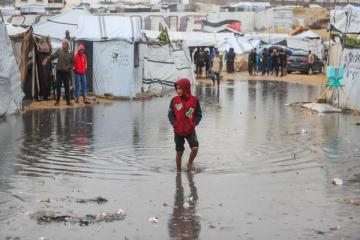
Erdogan told delegates at the U.N. climate summit in Antalya that the war’s environmental toll should be recognized alongside its human cost. He described damage to olive trees, soil, water and cities, and said flooding had submerged tens of thousands of tents and shelters amid Gaza’s wrecked infrastructure.
Israel’s Foreign Ministry accused Erdogan of using an international forum to promote anti-Israel claims and support Hamas. Its statement said those concerned about Gaza should demand that Hamas disarm so reconstruction could begin. Israel was not invited to the summit.
Recent heavy rain and floods have damaged shelters where displaced Palestinians are living. At least four people died earlier in the week when a sand embankment collapsed onto a shelter. Aid is entering Gaza, but imports remain below prewar levels and Israel continues to block some goods.
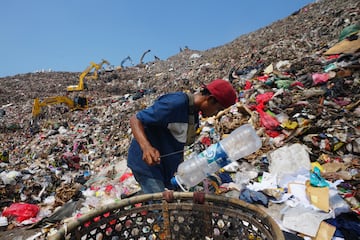
A 2025 U.N. Environment Programme assessment found extensive damage to Gaza’s land: by May of that year, over 97% of orchards, 82% of cultivated fields, 95% of scrubland and 89% of pasture and uncultivated land had suffered damage. Mohammed Usrof of the Palestinian Institute for Climate Strategy said families had only 3% of cropland available, assuming it could be shared among two million Palestinians.
The war has also severely damaged garbage disposal, sewage treatment and clean-water systems, while fishing livelihoods have nearly disappeared. Greenpeace MENA director Ghiwa Nakat warned that contamination and damaged ecosystems could harm health, food supplies and livelihoods for generations. COP31 talks began this week, with more than 70 world leaders and senior officials attending.
Erdogan Puts Gaza’s Environmental Devastation on COP31 Agenda
Recep Tayyip Erdogan used his COP31 address to demand that the world reckon with Gaza’s environmental destruction. He described ruined crops, polluted soil and water, and flooded shelters, while calling for Israel to open the way for more humanitarian aid.
The scale of damage is reflected in a 2025 U.N. Environment Programme assessment: by May that year, more than 97% of tree crops and 82% of annual crops had been damaged, along with most shrubland and grass and fallow land. A Palestinian climate strategy leader said only 3% of cropland remained available for families, assuming it could be distributed among two million people.
Flooding in recent days has damaged makeshift shelters, and at least four people died when a sand embankment collapsed onto one. Aid deliveries continue, but imports remain below prewar levels and Israel is still blocking some goods. Gaza’s systems for clean water, sewage and waste have also been devastated, while fishing livelihoods have been nearly eliminated.
Israel’s Foreign Ministry responded by accusing Erdogan of promoting anti-Israel claims and backing Hamas, and said reconstruction required Hamas to disarm. Israel was not invited to the summit. Greenpeace MENA’s director warned that contaminated land and water and destroyed ecosystems could jeopardize people’s wellbeing, access to food and livelihoods for generations. COP31’s formal climate talks began this week.
Erdogan Uses COP31 to Press Anti-Israel Case on Gaza
Erdogan brought his longstanding criticism of Israel to the COP31 climate summit, calling the war in Gaza an ecocide and urging greater aid access. His remarks focused on environmental destruction and flooded shelters, while Israel’s Foreign Ministry accused him of using an international gathering to advance anti-Israel claims and support Hamas.
Israel’s response said those who genuinely want Gaza rebuilt should press Hamas to surrender its weapons. Israel was not invited to the summit. The exchange came amid a conflict that began after Hamas-led militants attacked southern Israel on October 7, 2023, killing about 1,200 people and taking 251 hostages. Israel’s ensuing campaign has left over 74,000 dead, figures from Gaza’s health officials indicate; their tally does not separate civilians from combatants.
Flooding has damaged tents and makeshift shelters in Gaza in recent days, and at least four people died when a sand embankment collapsed onto a shelter. Humanitarian aid is entering the territory, but imports remain below prewar levels and some goods are still blocked.
A U.N. environmental assessment documented extensive damage to crops and land, while Gaza’s waste, sewage and clean-water systems have been almost wiped out. Fishing livelihoods have also been nearly eliminated. Greenpeace MENA’s director warned that environmental harm could persist for generations. COP31 talks opened this week, with more than 70 leaders and senior officials taking part.
Reported by The Philadelphia Inquirer.