Sanders Opposes Schumer’s Bid to Lead Senate Democrats
At a Capitol press conference on November 10, Vermont Sen. Bernie Sanders said he would oppose New York Sen. Chuck Schumer’s bid to lead Senate Democrats when the new Congress convenes in January. Democrats are expected to control at least 54 Senate seats.
Sanders, an independent who caucuses with Democrats, said the recent election showed voters wanted change. He pointed to concerns about the cost of food, health care and housing, and argued that Democrats should openly debate the party’s direction.
Sanders said he likes Schumer and recognized his work, but would not back his reelection as leader. He also predicted Schumer would not run unopposed.
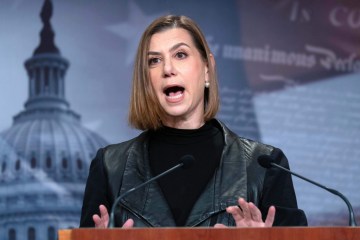
Michigan Sen. Elissa Slotkin, who appeared with Sanders, said anyone seeking to lead the caucus should present a different governing plan, including priorities for the first 100 days and a new approach to communication. She said she was not actively pursuing the role and would not support a candidate without a concrete plan.
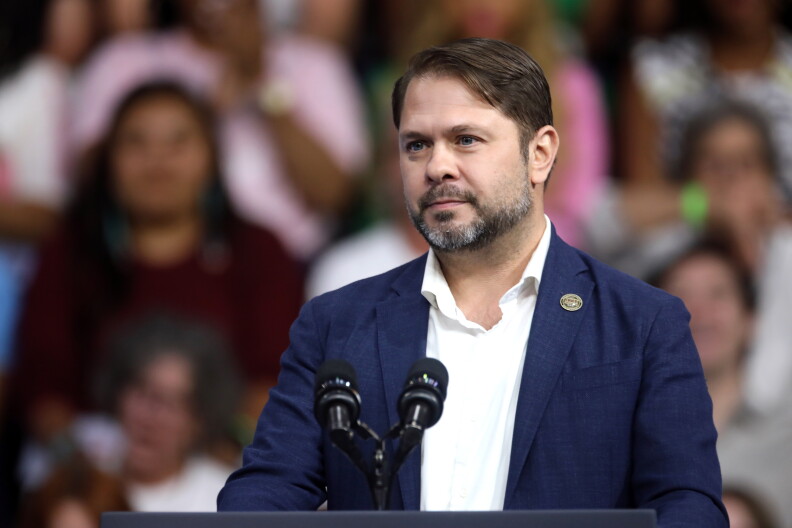
Maryland Sen. Chris Van Hollen is exploring a possible challenge. He said he was contacting colleagues and argued there should not be a coronation. The Democratic caucus is scheduled to choose its leaders in early December.
Sanders Says Democrats Need a New Direction After Election
Vermont Sen. Bernie Sanders is pressing Senate Democrats to make their leadership contest a real debate about whose interests the party will serve. On November 10, he said he would not support Chuck Schumer’s reelection as leader, pointing to voters’ struggles with food, health care and housing costs.
Sanders said the election called for change and urged Democrats to discuss their direction openly. His case challenges the idea that Schumer should simply continue in the post without a contest, especially as Democrats prepare to lead a caucus of at least 54 senators.
Michigan Sen. Elissa Slotkin also demanded a concrete plan from anyone seeking the leadership job, including proposals to put money in people’s pockets and change how the caucus communicates. She said she was not seeking the position but would withhold support absent a distinctly different approach.
Maryland Sen. Chris Van Hollen is contacting colleagues as he considers a run. He has said the caucus should not stage a coronation. With leadership elections expected in early December, the question is whether Democrats will answer the election’s call for change with a substantive choice—or settle for continuity.
Democratic Leaders Face a Fight Over Who Controls the Senate Caucus
Democrats are heading into control of the Senate with a leadership fight over who will direct their caucus. On November 10, Sen. Bernie Sanders said he would not support Chuck Schumer for another term as leader, urging an open debate after the party’s election victory.
Sanders framed the result as a demand for change and cited voters’ concerns about everyday costs. But the dispute also puts the party’s priorities and governing approach up for negotiation just as Democrats prepare to lead a Senate caucus of at least 54 members.
Michigan Sen. Elissa Slotkin said candidates should offer a concrete plan for governing and communicating differently. She said she was not seeking the job herself and would not back anyone without such a plan. Maryland Sen. Chris Van Hollen is calling colleagues while considering a challenge, and has argued against an uncontested succession.
The coming contest is therefore about more than Schumer’s tenure: Democrats must decide what their leadership should promise and how it should operate. The caucus is expected to make that choice in early December.
Reported by The New Republic, CBS News, The Philadelphia Inquirer, MSNBC, The Guardian, PBS NewsHour, NBC News, Hot Air, The Nation, Fox News.