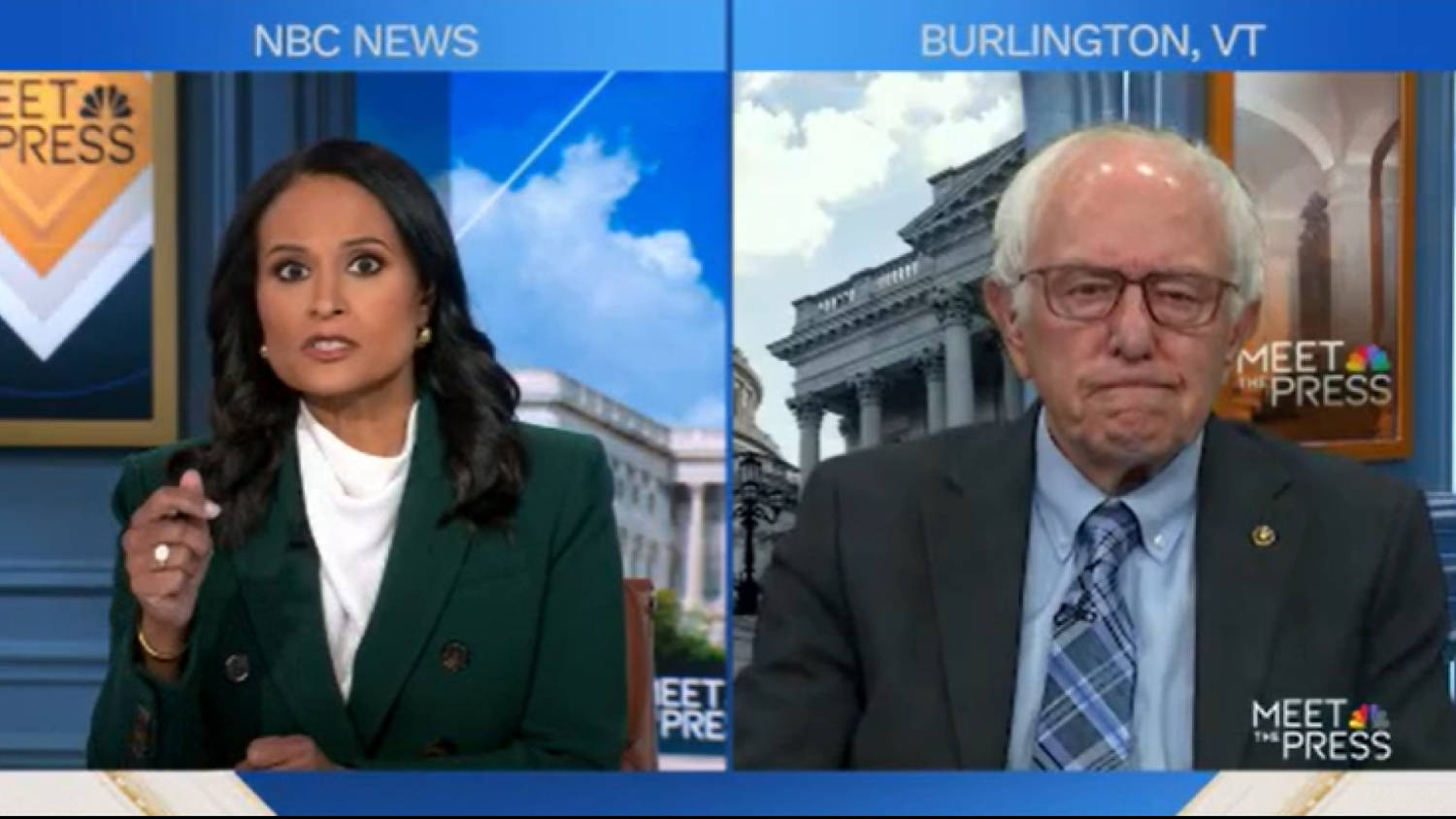
Sanders urges Democrats to expand Medicare after midterm win
Sanders, a Vermont independent who caucuses with Democrats, said the proposed changes could pass the Senate through budget reconciliation, which requires a simple majority. He also called for health coverage for children from birth through age 19 and renewed his push for a single-payer Medicare for All system.
Democrats are set to take control of both chambers in January, but Sanders’ immediate proposals are narrower than his broader plan. Party leaders have not endorsed Medicare for All, and Democrats disagree over replacing private insurance with a government-run plan. President Donald Trump has veto power and has threatened to veto legislation if Democrats took Congress, though he has also signaled openness to deals.
Sanders’ Medicare for All bill, introduced in 2025, would place nearly all U.S. residents in a federal health plan covering services including hospital care, prescription drugs, mental health, dental and vision. It has not received a floor vote. The plan would shift much of the financing now handled by employers, insurers and individuals to the federal government. Republicans on the House Budget Committee and Trump administration officials estimate it would add $47 trillion in federal spending over 10 years; supporters argue that much of the spending would replace existing private costs.
The debate also draws on overseas health systems. Britain’s National Health Service had a hospital-treatment waiting list of 7.4 million in August, and in 2023, specialist appointments took a month or longer for 62% of Americans, compared with 62% in Britain and 65% in France. Sanders has called the U.S. system dysfunctional and expensive; critics argue that expanding government’s role could worsen access and public costs. The incoming Congress will decide whether to pursue any of his proposals.
Medicare expansion could bring coverage within reach for more Americans
With Democrats taking control of Congress in January, Sanders is urging lawmakers to make health coverage more accessible, beginning with a Medicare expansion that could help millions of younger Americans. He also wants coverage guaranteed for children through age 19 and says reconciliation could allow the changes to pass with a Senate majority.
The proposals address gaps in traditional Medicare: many seniors must buy supplemental insurance or pay out of pocket for dental, vision and hearing care. Lowering eligibility could also matter to people approaching retirement who cannot afford to lose employer-sponsored insurance. These targeted steps are more limited than Sanders’ Medicare for All plan, which would enroll nearly all residents in a federal system and cover services including prescription drugs and mental health care.
The broader plan has not received a floor vote, and Democratic leaders have not endorsed it. Republicans and Trump administration officials estimate it would add $47 trillion in federal spending over a decade. But supporters argue that federal spending would take the place of much of the money households, employers and insurers already spend on health care. Replacing premiums with taxes must be judged by the full costs and coverage people receive, not by federal spending alone.
The incoming majority has an opportunity to move the debate forward, though Trump can veto legislation and Democrats remain divided over a single-payer system. Sanders’ proposals would make access—not the preservation of existing insurance arrangements—the central test of reform.
Sanders’ Medicare expansion risks repeating Europe’s healthcare failures
Sanders wants Democrats to use their new congressional majority to expand federal control of health care, starting by lowering Medicare eligibility and adding benefits. But the overseas systems offered as models show the danger of promising broad coverage without ensuring timely care or sustainable costs.
Britain’s National Health Service had 7.4 million people waiting for hospital treatment in August, while nearly 40% of emergency patients waited more than four hours. In 2023, specialist appointments took at least a month for 62% of people in Britain and 65% in France, compared with 42% in the United States. France also reported more unmet health needs than the OECD average and lower satisfaction with care availability.
Sanders calls the U.S. system dysfunctional and expensive, but the government already accounts for 48% of U.S. health spending. His Medicare for All bill would move much more financial responsibility to Washington, and Republican lawmakers and Trump administration officials estimate it would add $47 trillion over 10 years. Supporters say federal spending would replace much of current private spending, but that does not remove the need to determine who pays and what the coverage costs.
Democrats are divided on single-payer health care, and Trump has threatened to veto legislation. Lowering the eligibility age may be a smaller step than Medicare for All, but it still expands a program whose costs and capacity deserve scrutiny before Congress commits to more government control.
Reported by Reason, Newsweek, Townhall.