Senate Republicans Move Ahead With Thune Leadership Vote
Senate Republicans are proceeding with leadership elections on November 10, even as some members argue that the party should first examine its midterm losses. The defeats cost Republicans their Senate majority and at least seven seats, with races in Alaska and Mississippi still unresolved.
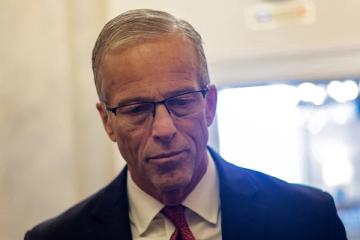
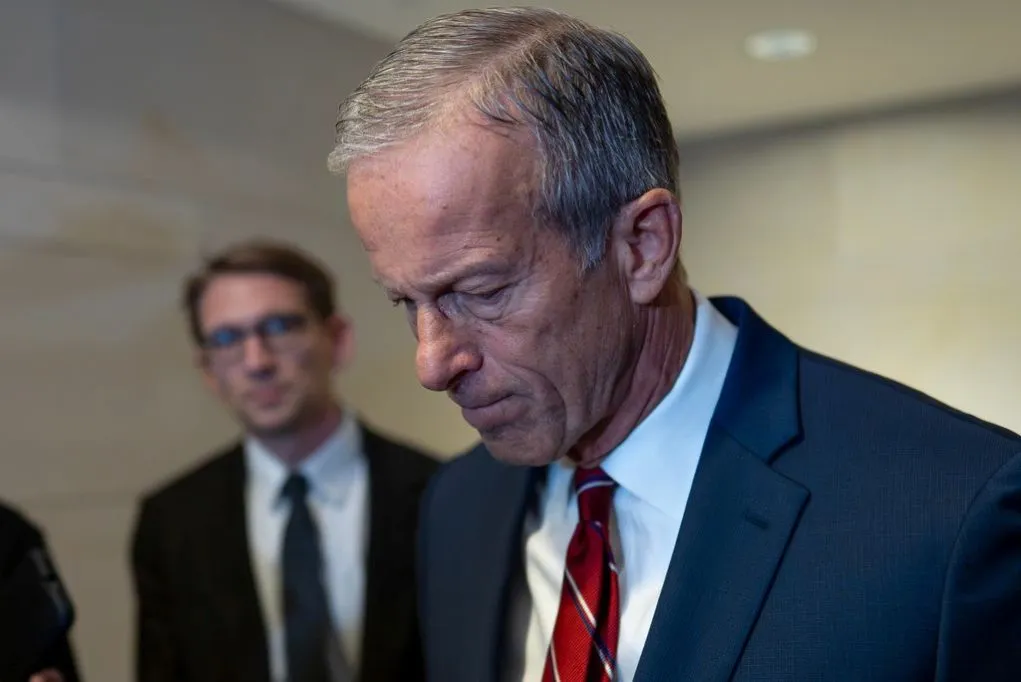
John Thune, the party’s leader since early 2025, is running unopposed and is expected to be reelected. He said he was willing to hear arguments for postponing the vote, but signaled doubt that delaying it would help. The closed-door elections will also cover other party leadership posts.
Wisconsin Sen. Ron Johnson has urged colleagues to postpone the secret ballot, saying Republicans need to reflect on the defeat rather than proceed as usual. Dave McCormick of Pennsylvania and Jim Banks of Indiana have also called for a candid review. Utah Sen. Mike Lee said the leadership vote should wait until the two outstanding races are decided.
Other Republicans back holding the vote now. Oklahoma Sen. James Lankford said Thune has broad support and noted that incoming senators are already in Washington for orientation. President Donald Trump called Thune “a very fine man” and said the decision belongs to the Senate.
Republicans are also working to finish the year’s business, including government funding and consideration of Trump’s nominees before the new Congress begins January 3. Thune said Republicans would work with Democrats, while warning against what he called “socialist government and leftist fantasies.”
GOP Moves to Keep Thune as Leader After Costly Election Losses
Republican senators are preparing to reelect John Thune on November 10, barely a week after an election defeat cost them control of the Senate and at least seven seats. Some members want time to confront what went wrong; the leadership vote is moving ahead anyway.
Thune, who has led the conference since early 2025, is running unopposed. Wisconsin Sen. Ron Johnson argues that a loss of this scale calls for a real review before senators endorse the status quo. Pennsylvania Sen. Dave McCormick and Indiana Sen. Jim Banks have also pressed for Republicans to digest the results and discuss their failures. Utah Sen. Mike Lee wants the vote delayed until two uncalled races in Alaska and Mississippi are settled.
Thune says he will hear the case for postponement, but has cast doubt on whether delaying the election would be productive. Oklahoma Sen. James Lankford says Thune has broad backing among Republicans, and President Donald Trump praised him while leaving the choice to the Senate.
The debate is about more than who holds a leadership title: it is whether a party that just lost its majority will examine its direction before renewing its leadership. Thune has backed Trump on most policy while resisting his push to change Senate rules and eliminate the filibuster for voting legislation requiring citizenship proof. Republicans are also trying to confirm Trump’s nominees before the new Congress starts January 3.
Republicans Should Choose Their Leader, Not Let Defeat Fuel Infighting
Senate Republicans are set to decide their leadership on November 10, as the party faces calls to postpone the vote and revisit its midterm defeat. John Thune is running unopposed and is expected to retain the post, while members prepare for a difficult transition into the minority.
Thune has maintained support among Republican senators, and Oklahoma Sen. James Lankford says the role is complicated and that few want the job. President Donald Trump called Thune “a very fine man” and said the decision rests with the Senate. The leadership elections also include other party posts.
Wisconsin Sen. Ron Johnson and several colleagues want more time for a frank review. Johnson says the party cannot simply continue as before; Pennsylvania Sen. Dave McCormick and Indiana Sen. Jim Banks have also urged a careful discussion. Utah Sen. Mike Lee says the vote should wait until the Alaska and Mississippi races are decided. Those contests could further reduce the Republican ranks.
Thune has said Republicans will work with Democrats, but he also warned against what he called “socialist government and leftist fantasies.” He has generally supported Trump’s policies while declining to scrap the filibuster for voting legislation requiring proof of citizenship. With government funding and Trump nominees still on the agenda, Republicans are seeking to finish work before the new Congress begins January 3.
Reported by The Washington Examiner, The Philadelphia Inquirer.