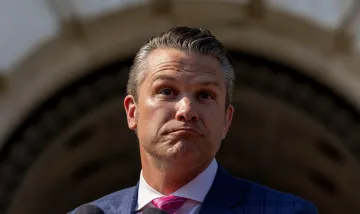
Hegseth Orders Military Education Overhaul Amid Impeachment Push
Hegseth’s directive calls for military colleges to put greater weight on warfighting, military history, operational planning and national defense strategy. It also orders standardized examinations or war games, and new teaching roles for senior officers with recent operational command experience.
The changes cover senior and intermediate-level military education. The Pentagon wants most full-time instructors at senior military colleges to have military or defense experience. Newly hired civilian faculty would move to renewable three-year contracts rather than receive lifetime tenure or emeritus status. Some revised assessments are due to enter academic programs in the 2027–28 year, with other implementation deadlines set between 90 and 270 days.
At Rhode Island’s senior naval education institution, Hegseth accused some educators of resisting the Trump administration’s agenda and said progressive ideas had entered military schools. He said the reforms would refocus them on preparing officers to win wars. The directive also calls for expanded teaching about constitutional tenets, relations between civilian leaders and the military, and officers’ legal duties.
The announcement came as Kentucky Republican Thomas Massie renewed his effort to bring an eight-article impeachment resolution against Hegseth before the House. The allegations include conducting military operations against Iran without congressional authorization and violating the War Powers Resolution. House Democratic leader Hakeem Jeffries has backed impeachment, saying Hegseth should leave office.
Hegseth has rejected the effort as political theater. Republican lawmakers have also raised questions about his handling of the Iran conflict, which has become a source of political pressure for the administration. Hegseth said Monday he was not worried about impeachment and defended President Donald Trump’s approach.
Hegseth’s Military School Takeover Comes as Iran War Faces Scrutiny
Pete Hegseth is reshaping the education of future military leaders while facing renewed scrutiny over the Iran war. His November 9 directive would increase Pentagon oversight of military colleges, change faculty contracts and steer courses toward the administration’s preferred emphasis on combat readiness.
Hegseth criticized what he called progressive ideas in military schools and accused educators of resisting President Donald Trump’s agenda. The changes include standardized exams or war games, more instruction in military strategy and history, and new roles for officers with recent command experience. Newly hired civilian faculty would lose the prospect of lifetime tenure under the plan, while some assessments are scheduled to begin in the 2027–28 academic year.
That effort raises questions about academic independence in institutions responsible for educating military leaders. Hegseth says the schools should prepare officers to win wars, but the directive also gives the Pentagon new leverage over faculty and curriculum.
The political stakes are sharpened by the conflict with Iran. Republican Rep. Thomas Massie renewed an eight-article impeachment effort, alleging, among other things, that military action proceeded without congressional authorization and violated the War Powers Resolution. Democratic leader Hakeem Jeffries has backed the effort and blamed Hegseth for a reckless war that he says has made the country less safe and raised costs.
Hegseth dismisses impeachment as political theater and says he is not worried. The dispute over the war and the military’s role in it now sits alongside his effort to remake the institutions that train its future commanders.
Hegseth Puts Warfighting First as Impeachment Push Targets Him
Pete Hegseth’s military education overhaul puts preparation for war at the center of officer training, even as political opponents press to remove him over the Iran conflict. His November 9 directive calls for more war games and examinations, stronger instruction in strategy and military history, and experienced commanders in teaching roles.
Hegseth argues that military schools have drifted from their core purpose and that officers must be prepared to fight and win. The plan also calls for instruction in constitutional principles and officers’ legal responsibilities. Some standardized assessments would enter programs in the 2027–28 academic year, with other changes due over the following months.
The overhaul would also end lifetime tenure and emeritus status for newly hired civilian faculty, replacing those arrangements with renewable contracts. Hegseth’s critics may portray such changes as ideological control, but his stated focus is whether schools produce leaders capable of prevailing in war.
Meanwhile, Kentucky Republican Thomas Massie has renewed his eight-article impeachment effort, including allegations about military action against Iran without congressional authorization. Democratic leader Hakeem Jeffries supports the effort and has accused Hegseth of abusing his office and making the country less safe. Hegseth calls the impeachment push political theater and says he is not worried.
The political fight over the Iran campaign has also drawn questions from Republican lawmakers. Hegseth continues to defend Trump’s approach, while his education directive seeks to make military training more directly focused on operational readiness.
Reported by Newsweek, The Daily Beast, PJ Media, The Daily Caller.