Ukraine Strike Prompts Fuel Limits Across Russian Regions
A Ukrainian drone hit the oil-processing complex at Kirishi in Russia’s Leningrad region on November 9, igniting a fire, regional Governor Aleksander Drozdenko said. The refinery is described as Russia’s second-largest, and Ukraine says it supplies the Russian military. The strike came as Kyiv resumed attacks on Russian energy targets after a pause ordered by Washington, with eight refineries hit in the past two weeks, a Russian official said.
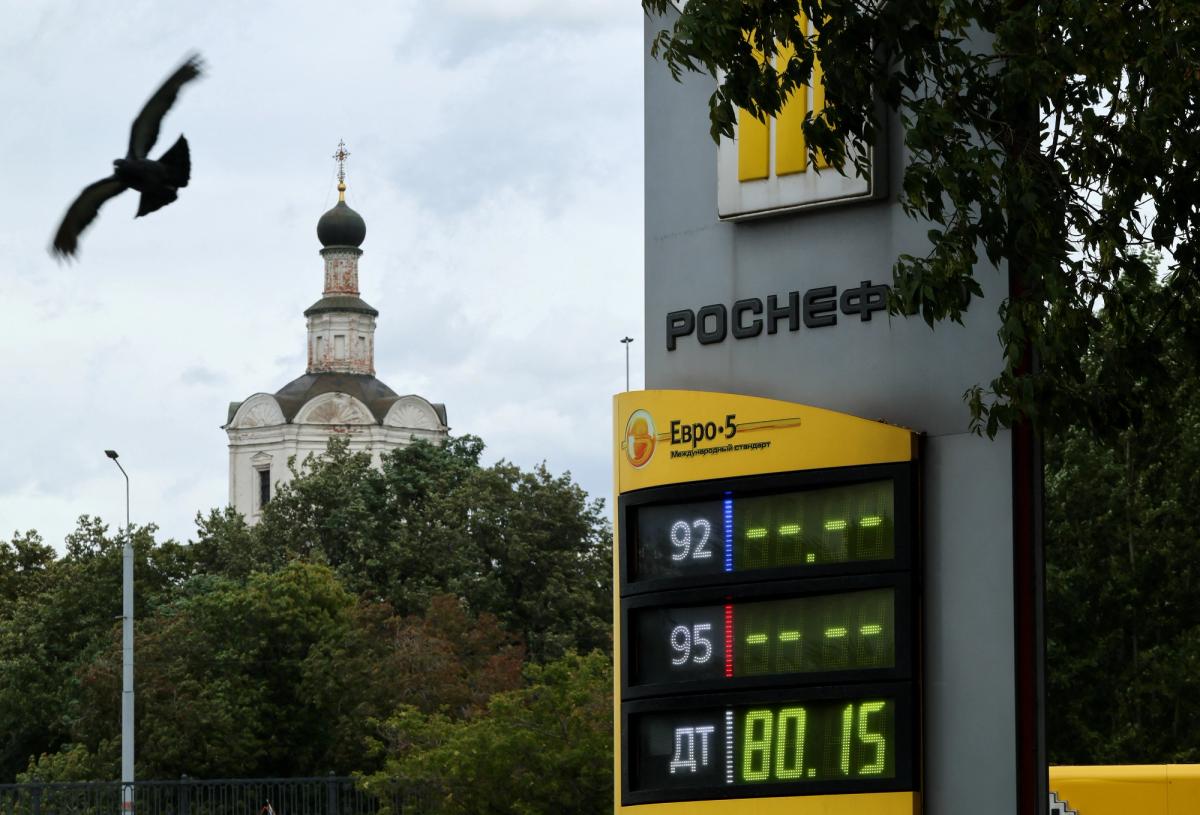
Russian oil companies have restricted fuel sales in at least eight regions. In Leningrad region, motorists are limited to 30 liters of gasoline and 50 liters of diesel per purchase. Similar limits apply in Karelia, while restrictions have also been reported at Rosneft stations in six other regions. Karelia Governor Artur Parfenchikov said the measures were necessary under current circumstances, despite the inconvenience to drivers.
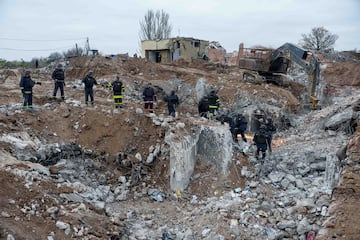
Ukraine has targeted Russian refineries as it seeks to raise the cost of Moscow’s war. Kyiv says its attacks respond to Russian strikes on Ukraine’s energy infrastructure. On November 9, Ukrainian authorities said Russian attacks had left around half of Ukraine’s regions without electricity. President Volodymyr Zelensky said many communities faced serious problems with power, water and heating.
Negotiators from Russia and Ukraine are due to meet in Abu Dhabi on November 10 for several days of U.S.-pushed talks. President Donald Trump said he believed the countries were close to a deal. Territorial claims remain a central obstacle: Moscow claims four Ukrainian regions that it does not fully control, while Kyiv has rejected surrendering territory it holds. Trump has also said a proposed arrangement would provide Kyiv protections effectively similar to NATO, according to a U.S. official.
Russian Fuel Rationing Shows the Cost of Moscow’s War
Russia’s fuel limits are another sign that its invasion is carrying costs into ordinary people’s lives. After a Ukrainian drone hit the Kirishi refinery on November 9, setting it ablaze, Russian oil companies imposed purchase restrictions in at least eight regions. Drivers in Leningrad region can buy no more than 30 liters of gasoline or 50 liters of diesel at a time.
Ukraine says attacks on Russian oil facilities are a response to Moscow’s sustained strikes on Ukrainian energy infrastructure. On November 9, Ukrainian authorities said around half of Ukraine’s regions had lost electricity after Russian attacks. Zelensky said communities were struggling with power, water and heating. The opposing campaigns are not interchangeable in their stated context: Ukraine says it is striking facilities that support Russia’s war, while Russia’s attacks have hit the systems Ukrainians need to live through it.
The Kirishi refinery is described as Russia’s second-largest, and Ukraine says it supplies the Russian military. A Russian official said it was the eighth refinery hit in two weeks. The fuel restrictions underscore the pressure Kyiv is trying to put on Moscow’s war effort.
U.S.-brokered talks are due to begin in Abu Dhabi on November 10. Trump has spoken of a possible deal and a U.S. proposal offering Kyiv protections effectively similar to NATO, a U.S. official said. But territorial demands remain unresolved: Russia claims four Ukrainian regions it does not fully control, and Kyiv rejects giving up land it holds. Any deal that pressures Ukraine to surrender territory would leave the central question of Russian aggression unanswered.
Fuel Limits Raise the Stakes for Trump’s Ukraine Peace Push
The latest escalation in attacks on Russian oil facilities is landing just as President Donald Trump pushes Moscow and Kyiv toward a deal. A Ukrainian drone hit the Kirishi refinery on November 9, setting it on fire, and Russian companies imposed fuel limits in at least eight regions. Drivers in Leningrad region face caps of 30 liters of gasoline and 50 liters of diesel per purchase.
A Russian official said eight refineries had been hit in the past two weeks as Ukraine resumed its campaign after a Washington-ordered pause. The disruptions show why a negotiated end to the war matters: Russia’s fuel supply is under pressure, while Russian strikes have also left around half of Ukraine’s regions without electricity, Ukrainian authorities said on November 9. Zelensky described communities as struggling with power, water and heating.
Negotiators are due to meet in Abu Dhabi on November 10. Trump said he believes Russia and Ukraine are close to a deal, while a U.S. official said Washington’s proposal would provide Kyiv protections effectively similar to NATO. Trump has also said he is not rushing into a bad deal.
The hardest issue remains territory. Moscow claims four Ukrainian regions it does not fully control; Kyiv rejects surrendering territory it holds. Those positions threaten to keep the war going, while attacks on energy infrastructure deepen the strain on both countries. A durable agreement would have to confront those demands rather than let another round of strikes set the terms.
Reported by Newsweek, Semafor, The Daily Beast, Hot Air.