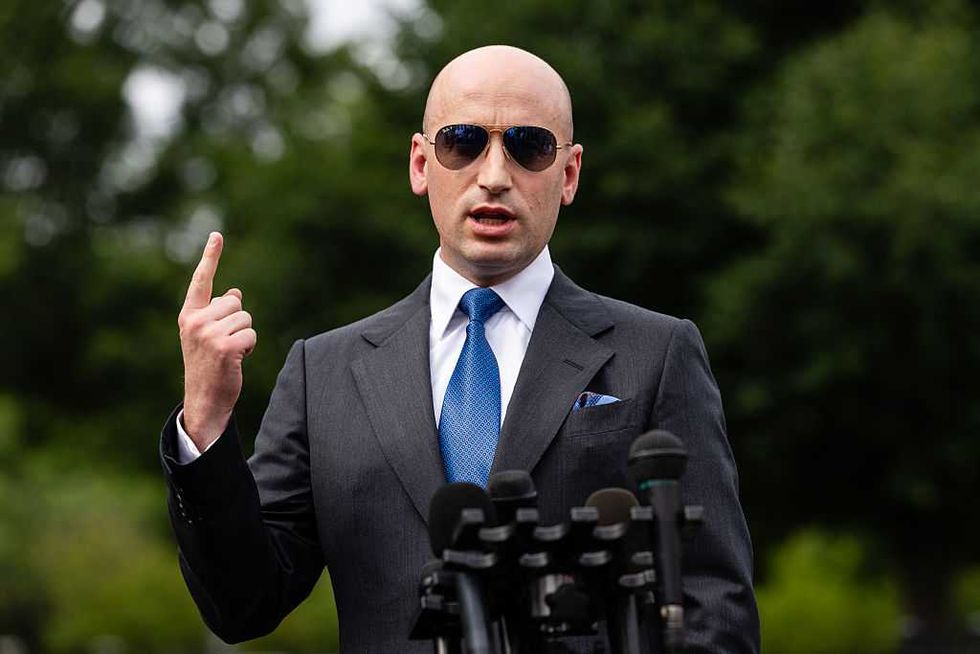
Miller’s Promotion Signals No Retreat on Immigration Enforcement
On November 8, officials said the Trump administration had given the federal homeland security agency and its Immigration and Customs Enforcement division no instructions to reduce enforcement after the midterm elections. They pointed to Stephen Miller’s appointment as White House chief of staff as a sign the deportation campaign is likely to continue. Miller is set to take up the role on Monday, November 9.
ICE officials have recently been directed to aim for about 19,000 arrests a week, or roughly 2,700 a day, up from an earlier daily target of 2,000. The administration says it will continue arresting and deporting people it describes as criminal immigrants in the country illegally, and has cited historically low illegal border crossings.
The elections brought large Republican losses, and 58% of voters nationwide said the deportation crackdown had gone too far. Officials said the administration believes economic concerns and the war with Iran, rather than immigration enforcement, drove the losses. In January, Democrats are due to gain control of the House and Senate, giving them new powers to investigate the administration’s policies.
Immigration policy specialist Theresa Cardinal Brown expects Democrats to use oversight hearings, subpoenas and funding measures to challenge ICE, while some newly elected Democratic state and local officials may limit cooperation with the agency. She said the effort could continue because ICE has about $75 billion in funding through 2029, and President Donald Trump could veto restrictions passed by Congress.
A separate argument from immigration enforcement advocates is that the administration should focus more on employers who hire undocumented workers. One advocate cited estimates that yearly formal deportations during Trump’s term averaged about 380,000 through July 2026, below the Obama-era peak of more than 432,000, and said the administration has yet to deliver enforcement at the promised scale.
Miller’s Promotion Puts Deportation Crackdown on Track to Continue
On November 8, officials said the Trump administration had given immigration agencies no order to scale back enforcement after the midterm elections. Miller’s appointment as White House chief of staff points instead to more of the hardline approach he has helped shape. ICE officials have recently been told to target about 19,000 arrests a week.
That course persists despite widespread voter concern: 58% of voters nationwide said the deportation crackdown had gone too far, while Republicans suffered major electoral losses. The administration attributes those defeats largely to the economy and the conflict involving Iran, rather than its immigration policies. But voters’ unease with the crackdown cannot be brushed aside as Washington turns to the next phase of enforcement.
Miller has been associated with policies that sharply restricted asylum and refugee admissions and tightened access to legal immigration benefits. His promotion comes as federal immigration operations have provoked community backlash, including after federal agents killed two American citizens during a Minneapolis crackdown that the administration later scaled back.
In January, Democrats will gain control of the House and Senate and gain greater power to investigate the administration. Immigration policy specialist Theresa Cardinal Brown expects them to use subpoenas, hearings and funding measures to scrutinize ICE, while some Democratic local and state leaders may reduce cooperation with the agency. The administration, however, has about $75 billion for enforcement and detention through 2029, and Trump could veto congressional restrictions. The fight over the crackdown is set to continue.
Miller Has the Power to Turn Deportation Promises Into Action
On November 8, Stephen Miller’s elevation to White House chief of staff put a leading architect of Trump’s immigration agenda in the administration’s most powerful staff position. The question now is whether the administration will match its promises with enforcement at the scale voters expected.
ICE has been directed to target about 19,000 arrests a week, and the administration has roughly $75 billion for enforcement and detention through 2029. Yet an immigration enforcement advocate cited estimates that yearly formal deportations during Trump’s term averaged about 380,000 through July 2026, lower than the Obama administration’s yearly high of over 432,000. The funding exists; advocates argue that worksite enforcement has been too limited and that employers benefiting from undocumented labor should face scrutiny.
The midterm results do not erase the fact that voters gave Republicans a narrow advantage over Democrats on immigration in an NBC exit poll: 44% believed the GOP would do a better job on the issue than Democrats, who received 41%. The losses, the administration believes, reflected economic concerns and the Iran war. They are no reason to abandon enforcement, advocates argue.
Democrats will control both chambers of Congress in January and could use investigations and funding measures to constrain ICE. Trump could veto restrictions. Miller’s appointment, along with Vice President JD Vance’s public openness to focusing more on businesses that hire undocumented workers, puts the next test squarely before the administration: whether it will move from border and arrest operations to confronting the employers who rely on illegal labor.
Reported by CBS News, The Blaze.