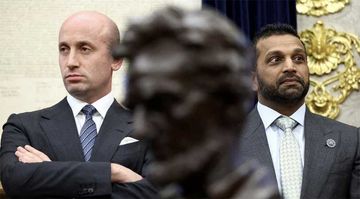
Trump Signals Immigration Shift as Miller Takes Chief of Staff Role
November 9, 2026 — Trump said in a televised interview that his immigration crackdown may have gone too far, acknowledging that targeting workers with jobs and tax-paying histories had hurt him politically. He said he wanted to work with Democrats on immigration after their party takes control of Congress in January, but offered no details of a possible agreement.
Trump suggested that some undocumented people who have lived and worked in the United States for 10 or 15 years could be allowed to remain, while serious criminals would still face deportation. He described a divide within his administration between those who favor deporting everyone and those open to exceptions.
The remarks aired a day after Trump named Stephen Miller, a leading architect of the deportation campaign, to serve as chief of staff. Miller is due to start on November 9. Trump did not identify him as a member of the hardline faction he described.
The comments drew anger from some Trump supporters, who characterized any compromise as amnesty. The White House’s Rapid Response account countered that Trump had not used that term. Meanwhile, federal agencies had received no direction to reduce enforcement after the election, and the Department of Homeland Security said its agents would not slow down.
The election followed public concern about enforcement tactics. A CBS News survey found 58 percent of voters thought Trump’s immigration enforcement had gone too far. The administration’s operations have included arrests of people without criminal convictions, and the fatal shootings of two U.S. citizens by federal immigration officers in Minneapolis prompted protests.
Trump Admits Crackdown Went Too Far as Miller Takes Top Role
November 9, 2026 — Trump’s acknowledgment that his immigration campaign may have been too harsh points to the political cost of a dragnet that swept up workers as well as serious offenders. He said the approach had hurt him at the ballot box and suggested that some undocumented people with long work histories could be allowed to remain.
The proposal is a marked contrast with the hardline enforcement associated with Stephen Miller, whom Trump named chief of staff a day before the interview aired. Miller is due to start on November 9. Trump described officials who favor deporting everyone regardless of circumstance, but did not name Miller.
Trump said he hoped to negotiate with Democrats, who take control of Congress in January, but gave no terms for a deal. A CBS News survey found 58 percent of voters believed enforcement had gone too far. Federal immigration operations have included arrests of people with no criminal convictions, and officers fatally shot two U.S. citizens in Minneapolis, prompting protests.
The administration has not directed immigration agencies to ease enforcement since the election. The Department of Homeland Security said agents would not slow down. That leaves a basic question over whether Trump’s acknowledgment will change practice—or whether promoting the crackdown’s most prominent advocate signals that the same tactics will continue.
Trump Floats Immigration Compromise After Midterm Losses
November 9, 2026 — Trump’s comments point toward a distinction many voters make: enforcing immigration law while avoiding tactics they see as excessive. He said the crackdown may have cost him votes by targeting workers with jobs and tax-paying histories, and suggested some people who have lived in the country for 10 or 15 years could qualify to stay.
Trump also said serious criminals would still be deported and expressed interest in negotiating with Democrats, who take control of Congress in January. He supplied no details of a deal. His remarks aired after he named Stephen Miller, a leading architect of the deportation campaign, as his incoming chief of staff. Miller begins duties November 9.
The election results do not, by themselves, settle the case for abandoning enforcement. A survey cited in the debate found majorities supporting secure borders and enforcement of existing law, alongside support for permission to remain for undocumented workers without criminal records. Another CBS News survey found 58 percent of voters thought the administration had gone too far.
Federal agencies have received no order to scale back operations, and the Department of Homeland Security said agents would not slow down. The challenge for Trump is to preserve border enforcement and deportations of serious criminals while addressing concerns about arrests of workers and the conduct of street operations. His proposed talks with Democrats could test whether that balance is achievable.
Reported by The Daily Beast, The New Republic, Newsweek, Rolling Stone, Hot Air, CBS New York, The Week, Slate, The Guardian.