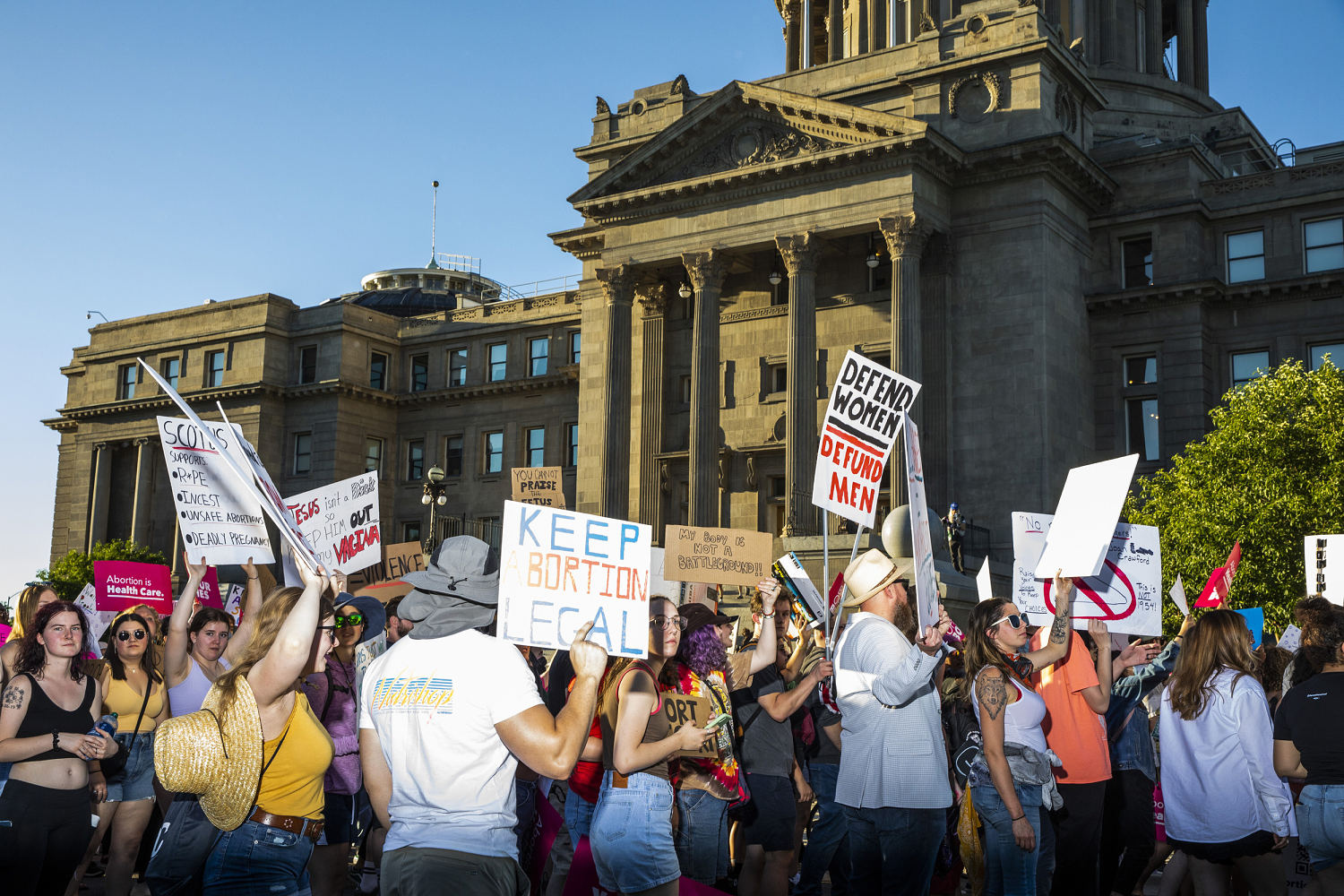
Healey Makes Massachusetts Abortion Law Effective Immediately
Massachusetts Gov. Maura Healey used an emergency declaration on November 6 to put into effect a law expanding access to abortions later in pregnancy. The measure had been scheduled to take effect on Sunday, but opponents’ effort to suspend it was nearing a signature-submission deadline.
The law, passed by the Legislature in July and signed by Healey in August, permits abortions at 24 weeks of pregnancy or later when a physician determines they are appropriate. Previously, abortions after 24 weeks were allowed only in specified circumstances, including risks to a patient’s life or health and certain serious fetal diagnoses.
Healey said delaying the law would leave patients and medical providers uncertain and could harm women’s health and safety. She cited patients facing complex late-pregnancy circumstances who, under the prior restrictions, had to travel out of state or go without care. Reproductive-rights advocates said at least nine Massachusetts patients had left the state for emergency abortions since the bill was signed.
Opponents, including two state groups, Citizens for Life and Family Action, reported that they had collected nearly 100,000 signatures—well above the thresholds needed to seek a 2028 repeal vote and potentially suspend the law in the meantime. State officials must verify the signatures. Healey said voters would still be able to weigh in if the petition qualifies.
Healey used the same emergency mechanism in 2024 to put a gun-control law into effect despite a repeal effort. Massachusetts voters upheld that law in the November 3 election. The abortion law was a point of contention in Healey’s reelection campaign; she won a second term with 62 percent of the vote, based on unofficial tallies.
Healey Moves to Protect Abortion Access From Delay
Patients facing serious complications late in pregnancy should not have to leave Massachusetts for care while a political campaign tries to block a new abortion law. Gov. Maura Healey’s November 6 emergency declaration put the measure into effect immediately, rather than allowing opponents’ petition drive to suspend it.
The law lets a physician use professional judgment in deciding whether to provide an abortion at 24 weeks or later. Under the former rules, those abortions were limited to specified circumstances, including threats to a patient’s life or health and certain serious fetal diagnoses. Reproductive-rights advocates said at least nine patients had left Massachusetts for emergency abortions after the law was signed in August.
Healey said delay would prolong uncertainty for patients, families and clinicians and could endanger women’s health and safety. The emergency action addresses that immediate problem while leaving open the possibility of a 2028 vote: if state officials certify enough petition signatures, voters can still consider repeal.
Opponents said they collected nearly 100,000 signatures, exceeding the thresholds for a repeal question and a possible temporary suspension. Their campaign seeks to reverse a law passed by the Legislature in July, but Healey said families should not be made to wait for care while that process runs its course.
Healey’s use of emergency authority recalls her 2024 action on a gun-control law, which voters upheld in the November 3 election. In this case, the choice is whether patients and doctors can make decisions under the new rules now, or whether those decisions remain constrained while opponents seek a ballot contest.
Healey Uses Emergency Power to Sidestep Abortion Petition
Gov. Maura Healey has used emergency authority to put a sweeping abortion law into effect before state officials could complete review of opponents’ petition drive. The move prevents a temporary suspension, even though the campaign said it had gathered nearly 100,000 signatures—more than the thresholds for a suspension effort and a 2028 repeal question.
The law allows abortions at 24 weeks or later based on a physician’s professional judgment. The previous law permitted them only in specified circumstances, including risks to a patient’s life or health and certain serious fetal diagnoses. Opponents argue the new standard goes too far; Healey says delay threatens patients’ health and safety.
The petition campaign can still pursue a 2028 vote if state officials certify enough signatures. But Healey’s declaration means the law takes effect now, before voters have an opportunity to decide whether to repeal it. Her decision gives the governor’s judgment priority over the immediate effect opponents sought through the petition process.
Healey used the same emergency mechanism in 2024 to implement a gun-control law while opponents pursued a referendum. Voters upheld that law on November 3. The precedent does not erase the central dispute here: whether an emergency declaration should override an effort to pause a law until signatures are checked and voters can weigh in.
The new law was passed in July and signed in August. Healey, reelected with 62 percent, based on unofficial tallies, has made abortion rights a prominent part of her political case. The petition’s next step is certification by state officials, after which voters may still get a chance to decide the law’s future in 2028.
Reported by The Boston Globe, GBH News, WBUR, CommonWealth Beacon.