Russian Diesel Tankers Turn Away From U.S. Ports
On November 5, the prospect of Russian diesel reaching the United States remained uncertain after two tankers initially headed for the U.S. East Coast changed course. A third vessel continued across the North Atlantic but listed its destination as “for orders,” leaving its eventual port unclear.
President Donald Trump announced an arrangement with Russian President Vladimir Putin on October 9 to make more than 300,000 metric tons of Russian diesel available to U.S. and global markets. The Treasury Department later issued a temporary authorization for transactions involving the fuel through April 7. The arrangement has not resulted in a confirmed U.S. delivery.
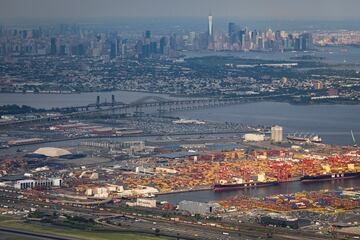
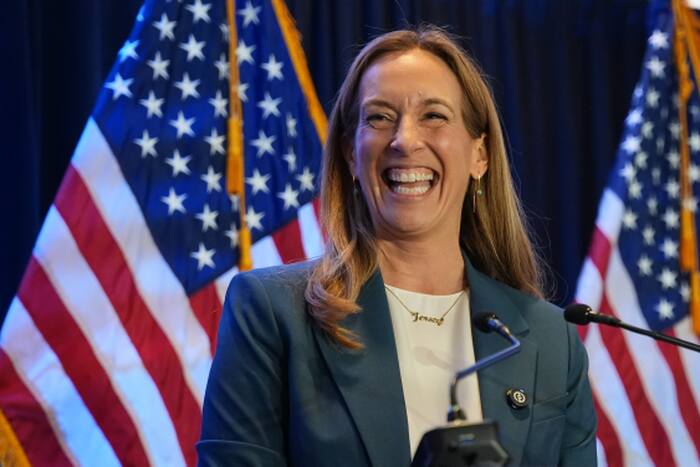
New Jersey Gov. Mikie Sherrill urged ports and terminal operators in her state to reject the shipments, arguing the administration could not override the import ban enacted by Congress. Senators from both parties have also warned banks, port authorities and fuel distributors that handling the cargoes could bring legal exposure and congressional scrutiny. The administration says its exemption complies with the law; no court has ruled on the dispute.
Analysts say the shipments may have little effect on U.S. diesel prices, which have climbed during the war with Iran. One energy-market executive estimated the proposed volumes would fall short of replacing the diesel exports lost amid the conflicts in Ukraine and Iran. High diesel costs can affect consumer prices because trucking and farming rely heavily on the fuel.
A Kremlin spokesman said the diesel would find buyers, while Putin envoy Kirill Dmitriev disputed accounts that the ships had diverted. The White House and Kremlin have not disclosed whether the arrangement was written down or provided details of its price, payment terms or participating companies.
Trump’s Russian Diesel Deal Runs Into Legal Resistance
President Donald Trump’s effort to bring Russian diesel into U.S. markets is meeting resistance from state officials and lawmakers, as two tankers originally bound for the East Coast changed course. A third vessel was still crossing the North Atlantic, but its destination was listed as “for orders.”
Trump announced the arrangement with Vladimir Putin on October 9, and the Treasury Department temporarily authorized transactions in Russian diesel through April 7. The administration says that exemption is lawful. But New Jersey Gov. Mikie Sherrill has told port and terminal operators to turn away the fuel, arguing the administration cannot override Congress’s import ban. Senators from both parties have warned that companies could face legal consequences and future investigations.
The stakes extend beyond the shipment itself: lawmakers and allies have criticized the arrangement as a source of money for Putin, while the fuel’s price benefits appear limited. Analysts say the proposed volumes would not replace the diesel exports lost amid the wars in Ukraine and Iran, and may do little to ease U.S. prices.
The administration argues additional deliveries would reduce pressure on prices. Yet the tankers’ changed destinations and warnings to ports and businesses underscore the risks companies face in accepting the cargoes. No court has ruled on the legal dispute, and no delivery to the United States has been confirmed. Kremlin officials have disputed claims that the tankers were turning away and said the diesel would find buyers.
Legal Threats Put Russian Diesel Supplies at Risk
Warnings from New Jersey and members of Congress are complicating President Donald Trump’s effort to bring Russian diesel to U.S. markets. Two tankers that had listed the East Coast as their destination changed course, while a third continued toward the Atlantic with no specific port named as of November 5.
Treasury officials granted temporary approval for dealings in Russian diesel through April 7 after Trump announced an arrangement with Vladimir Putin on October 9. The administration says the exemption complies with applicable law and that more fuel would reduce price pressures for Americans. No court has ruled on the dispute, and the arrangement has not produced a confirmed U.S. delivery.
New Jersey Gov. Mikie Sherrill has urged port and terminal operators to reject the cargoes, contending the administration cannot set aside the import ban enacted by Congress. Senators from both parties have warned banks, port authorities and fuel distributors about possible liability and congressional investigations. Those warnings appear to be adding to buyers’ hesitation, leaving the proposed supply uncertain.
The potential price relief also has limits: analysts say the planned volumes are too small to replace diesel exports lost amid the conflicts in Ukraine and Iran. Still, expensive diesel affects trucking and farming and can feed into consumer costs. Kremlin officials say the fuel will find buyers and have disputed claims that the ships are abandoning their U.S. destinations.
Reported by Newsweek, ClickOnDetroit WDIV.