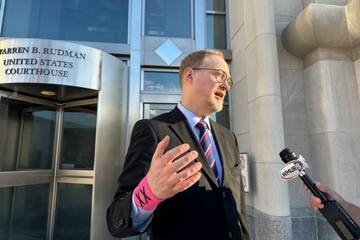
Bow District Settles Wristband Speech Case for $275,000
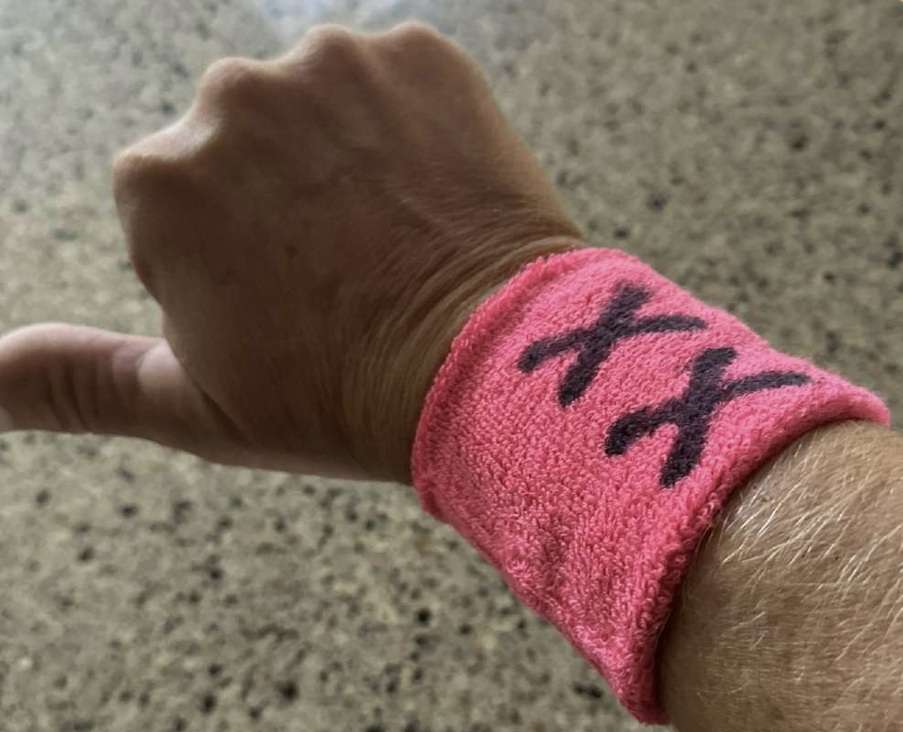
On November 5, U.S. jurist Steven McAuliffe issued a judgment declaring that Bow School District violated the First Amendment rights of four people who silently wore pink “XX” wristbands at a girls’ soccer game in September 2024. The judgment protects their right to wear the bands at district sporting events, including in spectator areas, along sidelines and in parking lots. It remains effective if the district changes its policies.
The wristbands referred to female chromosomes. The plaintiffs—Kyle Fellers, Anthony Foote, Eldon Rash and Nicole Foote—opposed a policy allowing a transgender athlete to play on the visiting girls’ team. School officials told the spectators to remove the bands. Fellers and Anthony Foote later received orders barring them from school property, keeping them from some school events.
A settlement provides $275,000 in legal fees and costs: $225,000 to the Free Speech Institute and $50,000 to the plaintiffs’ other attorney. Each plaintiff will receive $17.91, commemorating the year the First Amendment was ratified. Claims against individual administrators were dismissed.
In August, the First Circuit Court of Appeals found the plaintiffs likely to succeed on their claim that the district discriminated against their viewpoint. It said the silent protest had not been shown to disrupt the game or harass players, and that officials could not favor one side of a public debate. The case followed a 2025 denial of a preliminary injunction and more than two years of litigation.
Wristband Ruling Protects Speech Without Settling School Safety Questions
A federal judgment has affirmed that Bow School District violated the First Amendment rights of four spectators who silently wore pink “XX” wristbands at a girls’ soccer game in September 2024. The ruling protects their right to wear them at district sporting events, even if the district changes its policies.
The dispute arose amid opposition to a transgender athlete playing on the visiting girls’ team. School officials said they were responding to concerns about possible heckling and protecting a student from harassment. But the First Circuit concluded in August that the wristband protest had not been shown to disrupt the game or harass players, and that the plaintiffs appeared likely to prevail in their claim of viewpoint discrimination.
The judgment, entered November 5, underscores that schools cannot treat silent expression as harassment simply because it concerns a sensitive dispute. The settlement provides $275,000 for legal fees and costs, including $225,000 to the Free Speech Institute and $50,000 to another attorney. Each of the four plaintiffs will receive $17.91. Claims against individual administrators were dismissed.
Protecting students matters, but the court found no evidence that players saw the wristbands or that the protest disrupted play before officials intervened. The ruling draws a line: school authority to maintain order does not permit suppressing a viewpoint without evidence that the expression crossed into harassment or disruption.
Court Says Bow District Punished Parents for Silent Sports Protest
Bow School District’s effort to silence a quiet protest has ended in a federal judgment declaring that it violated the First Amendment. Four spectators wore pink “XX” wristbands opposing a transgender athlete’s participation on the visiting girls’ team. Officials ordered them removed, and two plaintiffs later faced bans from school property.
The First Circuit found in August that the plaintiffs appeared likely to prevail on their viewpoint-discrimination claim. The court said the record did not show harassment or disruption from the silent protest. The referee stopped play only after school officials intervened. The judgment, entered November 5, protects the plaintiffs’ right to wear the bands at district sporting events, even if Bow changes its policies.
The settlement adds $275,000 in legal fees and costs: $225,000 to the Free Speech Institute and $50,000 to another attorney. Each plaintiff receives $17.91, commemorating the year the First Amendment was ratified. Claims against individual administrators were dismissed.
School officials invoked student protection, but the appellate court found no evidence that players saw the wristbands or that the silent display amounted to harassment. Treating a peaceful expression of disagreement as a disciplinary offense carries a serious cost: parents were barred from school events, and taxpayers’ risk pool is paying a substantial legal bill. The judgment makes clear that officials cannot decide which side of a public debate spectators may express.