Schumer vows funding fight to end Iran war
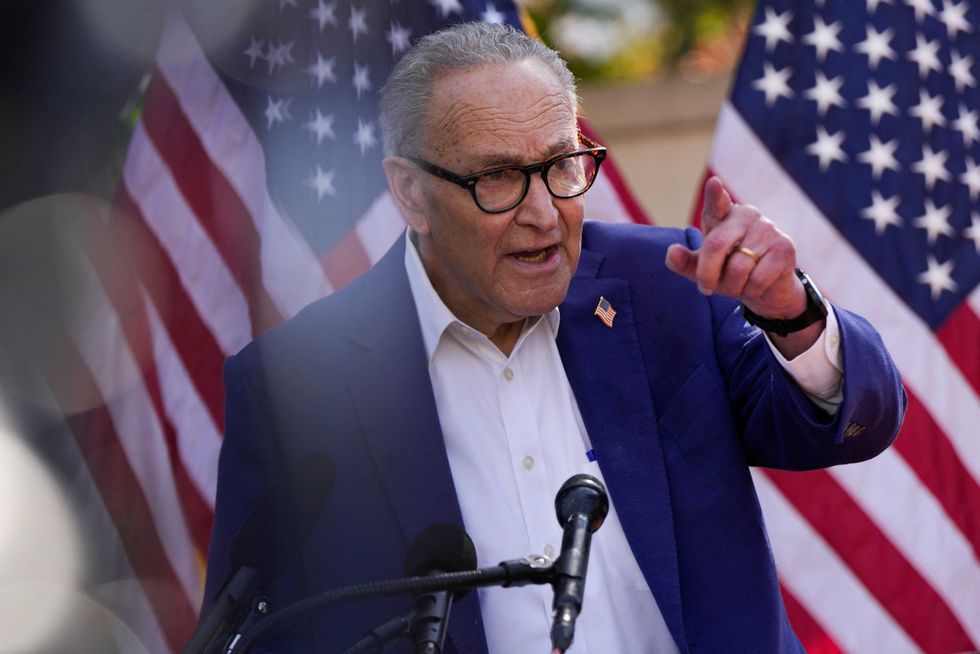
Schumer said Democrats would seek to end President Donald Trump’s war with Iran when they take over Congress in January, pointing to Congress’s power over federal spending as a way to constrain a president’s military actions. He made the remarks on November 4, after Democrats secured majorities in the House and Senate, with at least 54 seats in the Senate.
Earlier in the year, four Republican senators joined most Democrats in backing a war powers resolution aimed at forcing Trump to end the conflict. Democrat John Fetterman was the only senator from his party to oppose it. Senators Bill Cassidy and Susan Collins, two of the Republicans who supported the measure, are leaving office at year’s end.
Vice President JD Vance attributed Republicans’ election losses to the war and higher energy prices linked to the closure of the Strait of Hormuz. Donald Trump Jr. endorsed Vance’s comments. Trump, however, said he would make the same decision again, arguing that Iran must not be allowed to obtain a nuclear weapon.
The dispute over how to end the conflict is sharpening ahead of the change in congressional control. One view is that ending the war risks strengthening Iran and undermining efforts to prevent it from developing nuclear weapons; Schumer has emphasized the cost of a war he says lacks public clarity and congressional consent. Democrats’ control of both chambers could give them greater leverage over funding, though Schumer’s comments did not specify the steps or conditions for a funding cutoff.
Democrats can use Congress’s power to stop Trump’s Iran war
President Donald Trump launched the Iran war without congressional authorization, and voters have now handed Democrats majorities in the House and Senate. On November 4, incoming Senate Majority Leader Chuck Schumer said Democrats would use Congress’s power over spending to bring the conflict to an end.
Schumer said the Constitution’s allocation of the purse to Congress can check a president who takes the country to war without the American people’s consent. At least 54 Democrats will serve in the Senate, giving the party leverage beyond the war powers resolution that four Republicans previously joined most Democrats in supporting.
The political cost is already evident: Vice President JD Vance blamed the Republican election losses on the war and the energy-price increases associated with the Strait of Hormuz closure. Donald Trump Jr. backed Vance’s assessment. Trump remains committed to the conflict, saying he would make the same choice again to prevent Iran from getting a nuclear weapon.
The stakes are whether a president can continue a costly war without Congress’s approval. Schumer has said the public has not been given a clear explanation of the war’s purpose. With control of both chambers, Democrats can use their constitutional spending authority to press for an end rather than let the administration continue unchecked.
Schumer’s Iran retreat risks surrendering leverage to Tehran
Chuck Schumer’s promise to end the Iran war puts a political demand ahead of the central security question: how to prevent Iran from obtaining a nuclear weapon. Democrats won majorities in both chambers, and the incoming Senate majority leader says they will use Congress’s spending power against President Donald Trump’s military campaign.
That threat could weaken the United States’ position before any negotiated settlement. If Tehran expects Congress to force a US withdrawal, it has less reason to make concessions, while Iran’s control of the Strait of Hormuz remains a concern. Democrats have not presented a common Iran strategy, and merely ending the war does not answer what follows.
Trump has acknowledged the political damage, but said he would again choose to act because Iran must not be allowed to obtain nuclear weapons. Vice President JD Vance blamed the Republican election losses on the war and higher energy prices linked to the strait’s closure; Donald Trump Jr. endorsed his criticism. The election losses, however, do not resolve the security threat.
Congressional oversight matters, but cutting off funding to force an end could turn the sacrifices already made by Americans paying higher energy costs into a strategic setback. Democrats should explain how their plan would prevent Iran from gaining nuclear weapons, rather than treating an end to the fighting as a complete policy.
Reported by Raw Story, New York Post.