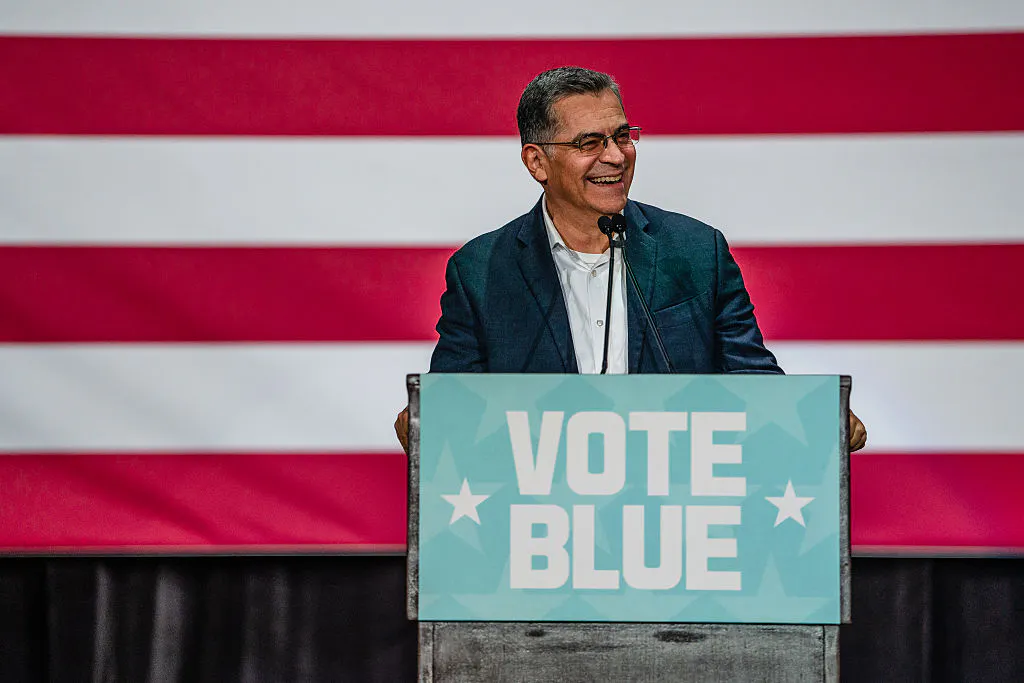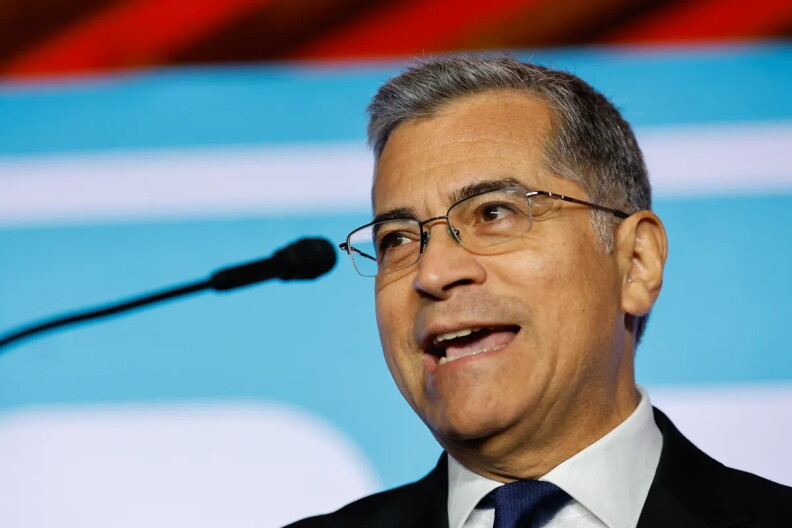
Becerra faces California governorship with few firm policy pledges
Becerra won the race to succeed Gavin Newsom with little backing from major unions and influential groups until his victory appeared likely, leaving him with relatively few campaign obligations to those organizations. He takes office as California confronts projected budget deficits, high unemployment, a housing crisis and costly fires and other disasters. His first budget proposal is due days after January 4.
He has signaled openness to new ways of raising revenue, including a possible tax on companies whose low-paid workers rely on public benefits and a charge based on miles driven to fund roads. He opposes taxing billionaires’ assets and has not endorsed a new income tax. The state expects gas-tax revenue to fall by $31 billion over the next decade as electric vehicles become more common.
Becerra wants to make energy more affordable while continuing the shift to clean power. His ideas include two hours of free daytime electricity for eligible low-income households and more in-state oil drilling. He has yet to take a position on whether utilities should face reduced payments to insurers and wildfire victims when their equipment causes fires. He also plans to announce a housing emergency and accelerate construction, potentially revisiting regulations that affect building.
On healthcare, he has pledged to seek the restoration of Medi-Cal coverage for undocumented immigrants and to prevent coverage disruptions as federal cuts loom. He has also said he will continue the state’s death-penalty moratorium, citing concerns about racial bias and wrongful convictions. Becerra has described his approach as pragmatic, favoring incremental steps over sweeping proposals such as single-payer healthcare.
Becerra must protect healthcare and make California affordable
Becerra enters the governorship with a clear responsibility: keep healthcare accessible, including for undocumented immigrants, while confronting the threat of as much as $30 billion in federal cuts. He has pledged to seek restoration of Medi-Cal coverage and avoid disruptions. Those commitments matter as the state weighs its budget and the outgoing administration’s coverage rollback.
Affordability also means housing, energy and basic infrastructure. Becerra intends to proclaim a housing emergency and hasten construction, and he is considering daytime free electricity for qualifying low-income households. He has also floated a mileage-based road charge as gas-tax revenue is projected to decline by $31 billion over the next decade. His challenge is to make the clean-energy transition affordable without abandoning it.
The governor-elect has promised continuity on California’s death-penalty moratorium, pointing to racial bias and wrongful convictions. He has few detailed campaign pledges, and his first budget will show what he is prepared to prioritize amid deficits. His preference for incremental change may help deliver practical gains, but it also leaves major questions about how quickly California can address housing, healthcare and wildfire costs.
Becerra’s costly promises meet California’s budget reality
Becerra will inherit a state facing projected deficits, high unemployment and expensive fires, yet he offered voters few detailed policy commitments. His first budget, due days after he takes office on January 4, will reveal whether his promise of a government that works can be matched by spending choices and fiscal discipline.
The Democrat is open to new revenue measures, including a possible tax on companies whose workers qualify for public benefits and a charge based on miles driven. He opposes a tax on billionaires’ assets and has not backed a new income tax, but the mileage proposal would shift how drivers pay for roads as gas-tax receipts decline. The state projects that source will shrink by $31 billion over the next decade.
Becerra says energy must remain affordable, including as California pursues clean power. He has proposed free daytime electricity for eligible low-income households and more oil drilling in the state, while leaving open whether to preserve the 2030 deadline for ending sales of new gas-powered cars. He has also avoided taking a position in the dispute over utilities’ responsibility for wildfire losses. On housing, his proposal to hasten construction by revising rules might involve relaxing certain environmental safeguards. These unresolved choices will show whether his incremental approach can address California’s problems without adding new costs.
Reported by CalMatters, Los Angeles Times, New York Post.