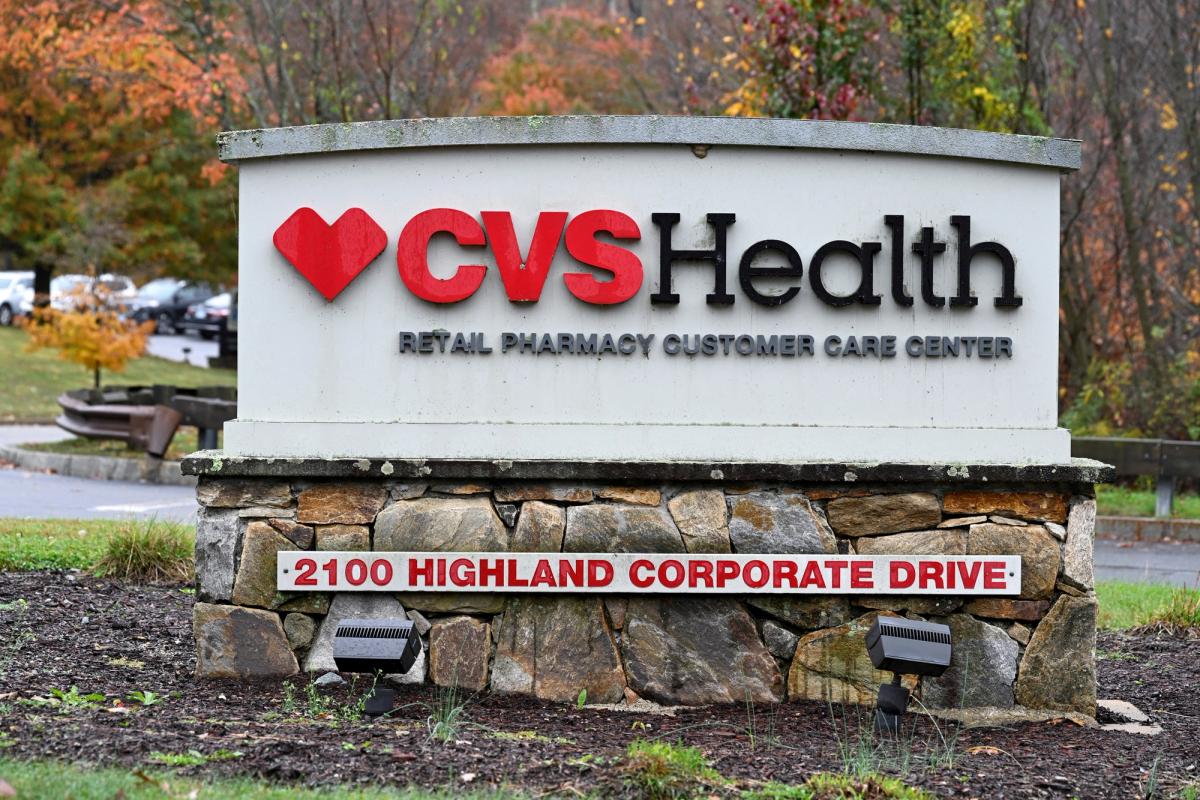
CVS Plans to Separate Pharmacy and Insurance Businesses
CVS Health plans to divide its businesses into two companies, unwinding a strategy that combined a major pharmacy chain with insurer Aetna and pharmacy benefit manager Caremark. The company confirmed the plan on November 4, describing the separation as a way to place the businesses in separate companies.
The deal would reverse years of expansion through acquisitions. CVS merged with Caremark in 2007 and bought Aetna for $69 billion in 2018. The combined company has been valued at $117 billion. CVS chief executive David Joyner said the businesses were better served by splitting.
Shareholders are expected to receive shares in both companies through a tax-free transaction, with completion planned for early 2028. CVS operates about 9,000 U.S. locations, including 800 CVS walk-in clinics staffed by advanced-practice nurses and physician associates.
The announcement comes as large healthcare companies face growing regulatory scrutiny and political pressure in Washington. Critics of the consolidation that brought CVS, Aetna and Caremark together have argued that it reduced competition and raised consumer prices.
CVS also posted higher third-quarter earnings and revenue, mainly reflecting improved results in its Health Care Benefits segment, and raised its earnings outlook for the rest of the year. Its shares, which were up about 15% for the year, fell 2% in premarket trading after initially rising.
CVS Breakup Puts Healthcare Consolidation Under Pressure
CVS Health’s plan to split into two companies marks a retreat from the consolidation that joined a major pharmacy chain with Aetna and pharmacy benefit manager Caremark. The company confirmed the separation on November 4, as large healthcare businesses face increased regulatory scrutiny and political pressure in Washington.
Critics have argued that combining vast parts of the healthcare industry weakened competition and pushed up costs for consumers. CVS’s reversal makes those concerns central to the story: the company now says its businesses are better served operating separately.
The strategy began with CVS’s 2007 merger with Caremark and expanded with its $69 billion acquisition of Aetna in 2018. The resulting company has been valued at $117 billion. Shareholders are expected to receive shares in both businesses in a tax-free transaction, targeted for early 2028.
CVS said its third-quarter earnings and revenue increased, largely because of stronger results in its Health Care Benefits segment, and raised its earnings outlook for the rest of the year. Its shares fell 2% in premarket trading after initially ticking higher.
CVS Reorganization Reverses Costly Push to Combine Healthcare
CVS Health is backing away from the conglomerate strategy that united its pharmacy business with insurer Aetna and pharmacy benefit manager Caremark. The company says separating the businesses is the better course, and shareholders are expected to receive shares in both companies in a tax-free transaction targeted for early 2028.
The breakup reverses a 2007 merger with Caremark and CVS’s $69 billion purchase of Aetna in 2018, a deal that helped create a $117 billion healthcare company. CVS chief executive David Joyner said the company was taking one business and making it two.
The announcement arrives amid regulatory scrutiny and political pressure on large healthcare companies. Critics have blamed consolidation for reducing competition and raising consumer prices, but CVS’s decision is a corporate restructuring—not evidence in itself that political pressure is the answer to healthcare’s problems.
CVS reported higher third-quarter earnings and revenue, mainly on improved performance in its Health Care Benefits segment, and raised its earnings outlook for the rest of the year. Its shares were down 2% in premarket trading after an initial rise.
Reported by CNN, Semafor, The Philadelphia Inquirer, The Guardian US, STAT, Yahoo News, Fox Business, KPRC 2 Click2Houston.