DOJ Expands Criminal Probe Into Alaska Senate Race
On November 3, the Justice Department’s criminal investigation into Alaska’s Senate race expanded, with at least 20 people receiving letters identifying them as targets and prosecutors preparing to serve more than 100 subpoenas. The recipients include Democratic election lawyer Marc Elias.
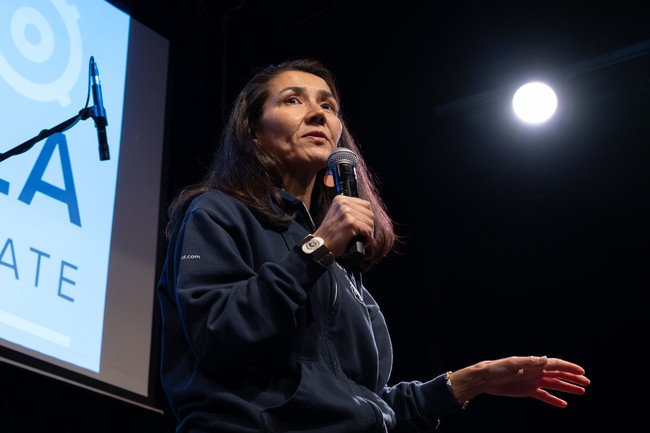
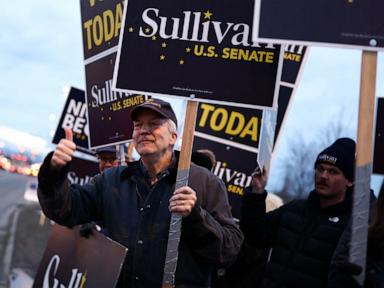
The inquiry concerns efforts to recruit retired teacher Dan J. Sullivan to run against Republican Sen. Dan S. Sullivan. The investigation gained momentum after accounts emerged that people connected to Democratic candidate Mary Peltola’s campaign may have been involved in recruiting the retired teacher.
A target letter generally means prosecutors consider someone at risk of indictment, but it does not mean charges will follow. The letters indicate that an Alaska grand jury is examining possible conspiracy and donor-fraud offenses. Authorities have also sent preservation notices for records, and FBI agents visited donors to Dan J. Sullivan.
Peltola has said she knew nothing about the recruitment effort and denied wanting to mislead voters. Democratic groups, among them the Democratic Senatorial Campaign Committee, have likewise rejected any role in a trick. Dan J. Sullivan has said he was not recruited by Democrats. Elias called the investigation politically motivated and said he would not be intimidated.
Alaska U.S. Attorney Michael Heyman has said the new revelations brought a significant increase in law-enforcement resources to the state, while declining to identify the specific suspected crimes. Attorney General Todd Blanche said the department was seeking to stop what he described as an effort to confuse voters, but declined to discuss the target letters.
Target Letters Raise Alarm Over DOJ’s Alaska Election Probe
On November 3, the Justice Department escalated its Alaska Senate investigation with target letters to at least 20 people, including Democratic attorney Marc Elias, and more than 100 subpoenas in progress. The breadth of the probe and its focus on Democratic figures raise serious questions about the use of federal law enforcement in a contested election.
The investigation centers on efforts to recruit retired teacher Dan J. Sullivan to run against Republican Sen. Dan S. Sullivan. Peltola has said she knew nothing about the effort and was not interested in misleading voters. Democratic groups, among them the Democratic Senatorial Campaign Committee, have rejected any role in a campaign trick, and Dan J. Sullivan has denied running at their behest.
A target letter signals that prosecutors see a person as potentially at risk of indictment, though it does not guarantee charges. The grand jury is examining possible conspiracy and donor-fraud offenses. The FBI has also visited donors to the retired teacher, and investigators have sought records.
Elias said the Trump administration was targeting him and his firm despite no evidence of wrongdoing, and that they would not be intimidated. His accusation underscores the stakes: the government should not use a criminal investigation to cast suspicion on political opponents without establishing wrongdoing. Alaska’s U.S. attorney says the inquiry is thorough, but has not specified the suspected crimes or assumed that a crime occurred.
DOJ Probes Alleged Voter-Confusion Scheme in Alaska Race
On November 3, the Justice Department’s expanding investigation put a potentially deceptive ballot effort under scrutiny, with at least 20 target letters issued and more than 100 subpoenas in progress. The inquiry focuses on retired teacher Dan J. Sullivan’s candidacy alongside Republican Sen. Dan S. Sullivan.
The Justice Department is examining whether the recruitment effort involved possible conspiracy or donor fraud. Attorney General Todd Blanche said the department was acting because the retired teacher did not want to run or expect to become senator and was running to confuse voters. The FBI has visited donors, and investigators have sought records.
Peltola says she knew nothing about the effort and does not want to trick voters. Democrats and the Democratic Senatorial Campaign Committee have denied involvement, and Dan J. Sullivan has denied being recruited by Democrats. Those denials are part of the dispute, not a reason to dismiss an investigation into a ballot strategy that authorities consider serious.
Target letters do not guarantee charges, but indicate that recipients may face indictment. Alaska U.S. Attorney Michael Heyman said the revelations prompted a significant surge of law-enforcement resources, while emphasizing that he was not assuming a crime had occurred. Elias, one of the recipients, has accused the administration of weaponizing the DOJ against political opponents.
Reported by ABC News, PBS NewsHour.