DOJ Deploys Record Election Monitor Force Across All 50 States
The Justice Department sent approximately 1,000 election monitors and observers to locations in all 50 states for the November 3 midterm elections, marking the first nationwide deployment of its kind and the largest monitoring effort in the department’s history. Civil Rights Division head Harmeet K. Dhillon said the effort was intended to promote transparency and would be conducted without discrimination.
The deployment includes multiple locations in California and in Democratic-leaning parts of Georgia. Michigan has 71 monitors, and many targeted counties and cities appear to lean Democratic or have large minority populations.
Election monitoring is a longstanding practice, but the scale and placement of this year’s effort have drawn scrutiny amid President Donald Trump’s repeated claims about election security and noncitizen voting. Trump said on October 27 that he would accept the results if the elections were honest. Voting advocate Skye Perryman described the deployment as an intimidation tactic.
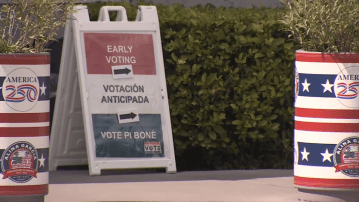
Disruptions on Election Day appeared limited overall. One reported episode involved Border Patrol agents at early voting in Florida. The administration had also called for Immigration and Customs Enforcement agents at polling places, sent letters warning election officials of possible criminal prosecution, and sought voter information from states. Those demands for voter data were unsuccessful.
State officials and local organizations prepared for possible disruptions. Despite concerns about fear and uncertainty, voters continued to cast ballots and line up at polling places.
Massive DOJ Monitor Deployment Raises Voter Intimidation Concerns
The Trump administration’s unprecedented election-monitor deployment has put voters in Democratic-leaning and minority communities under a conspicuous federal spotlight. About 1,000 monitors were sent to locations in all 50 states, the largest effort in Justice Department history. Voting advocate Skye Perryman called the move an intimidation tactic.
The concentration of monitors in places such as California and Democratic-leaning areas of Georgia is especially troubling alongside Trump’s repeated claims about election security and noncitizen voting. Michigan has 71 monitors. The department says its effort is nondiscriminatory and intended to promote transparency, but that assurance does not erase the concern created by the administration’s actions and rhetoric.
Trump said on October 27 that he would accept election results if the elections were honest. His administration has also sought voter information from states and sent election officials letters warning of possible criminal prosecution. It called for ICE agents at polling places, while federal border officers were present at Florida early-voting sites in what appeared to be an isolated episode.
Overall disruptions on Election Day appeared limited, and voters continued to cast ballots. State officials and local organizations prepared for possible interference, but the scale of federal monitoring and the pressure surrounding the vote have made the election’s fairness a central concern.
DOJ Sends Nationwide Election Monitors to Promote Transparency
The Justice Department’s deployment of approximately 1,000 election monitors puts a nationwide presence behind the goal of transparent elections. The effort spans all 50 states, a first, and Civil Rights Division head Harmeet K. Dhillon said it would be conducted assertively and without discrimination.
The monitors were sent to locations including California, Democratic-leaning areas of Georgia, and Michigan, where 71 were deployed. Election monitoring is a normal practice, and disruptions on Election Day appeared limited overall. Yet critics have portrayed the deployment as an intimidation tactic, even as the department says its purpose is transparency.
The dispute comes amid Trump’s repeated complaints about election security and noncitizen voting. He said on October 27 that he would accept results if the elections were honest. The administration also sought voter information from states and sent election officials letters warning of possible criminal prosecution; the demands for voter data were unsuccessful. Its call for ICE agents at polling places drew concern, while federal border officers were present at Florida early-voting sites in what appeared to be an isolated episode.
State officials and local organizations prepared for potential disruptions, and voters continued to cast ballots. The debate over the monitors reflects competing views of election oversight: whether a broad federal presence supports confidence in the process or risks making voters feel watched.
Reported by CBS News, Daily Kos.