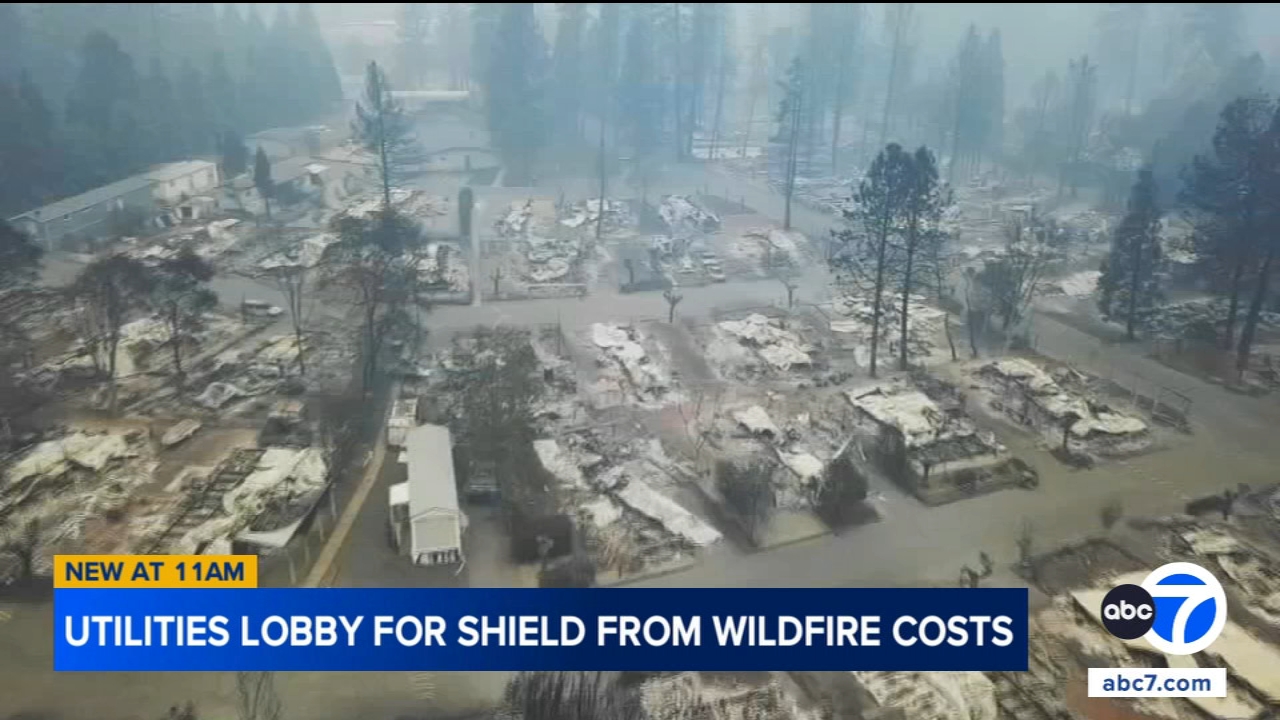
Utilities seek permanent cap on wildfire liability
The proposed ceiling would take effect if regulators determine a utility failed to act prudently. Under current law, a utility’s shareholder liability is limited, but that protection is set to end if the state wildfire fund and an additional reserve are depleted. The companies’ proposal would make the limit permanent, with caps tied to the size of each utility’s grid: $4.3 billion for Edison, $5.1 billion for Pacific Gas & Electric and $1.5 billion for San Diego Gas & Electric. Costs above a cap could be passed on to customers through their bills.
The utilities say wildfire exposure has hurt their credit ratings, raising borrowing costs that are ultimately borne by customers. Edison International Chief Executive Pedro Pizarro told investors that action in 2026 would benefit customers. Executives have also warned that without liability protection, they may reduce spending on capital improvements. PG&E has told thousands of customers some projects might face postponement in the coming year while it puts off $2 billion in expenditures.
Consumer advocates, wildfire survivors and some lawmakers say the proposal would weaken accountability. State Sen. Sasha Renée Pérez argued that the utilities’ claims of financial strain are difficult to reconcile with parent companies’ profits and dividend payments. A state investigation concluded the Eaton fire began when high winds briefly reenergized an unused Edison transmission line, sending sparks into dry brush. The fire killed 19 people and destroyed much of Altadena. Edison says it believes it acted prudently; if regulators agree, its costs would be covered by the state fund. If not, its shareholders’ payment would remain limited under existing law.
Wildfire liability cap would shift utility costs to customers
The utilities’ proposed lasting ceiling would shield shareholders even if a company is judged to have behaved imprudently and fire expenses surpass the limit. Customers could then be left paying the difference through their bills—a direct weakening of accountability for companies whose equipment can spark deadly fires.
The limits would be based on the size of each utility’s grid: $4.3 billion for Southern California Edison, $5.1 billion for PG&E and $1.5 billion for San Diego Gas & Electric. Current protections are set to end if the state wildfire fund and an additional reserve are depleted. Consumer advocates and wildfire survivors oppose extending those protections, while Sen. Sasha Renée Pérez has questioned utilities’ claims of financial distress as their parent companies report profits and pay dividends.
The stakes are especially clear in the Eaton fire. A state investigation found that high winds briefly reenergized an Edison transmission line that had been out of service since 1971, igniting dry brush. The fire killed 19 people and devastated Altadena. Edison says it believes it acted prudently; if regulators agree, the state fund would cover its costs. But the proposed policy would constrain shareholder responsibility even when regulators find a utility acted imprudently. The utilities say a cap would protect credit ratings and investment, but customers could ultimately bear more of the risk.
Wildfire liability protections could preserve utility investment
California’s utilities say wildfire exposure is damaging their credit ratings and making it more expensive to borrow—costs that can flow to customers. Their proposal would place a lasting ceiling on shareholder responsibility even if regulators deem a utility’s conduct imprudent, with caps tied to grid size: $4.3 billion for Edison, $5.1 billion for PG&E and $1.5 billion for San Diego Gas & Electric.
The companies argue that financial protection is needed to sustain investment. Edison International Chief Executive Pedro Pizarro told investors that action in 2026 would benefit customers. Utility executives have warned they may cut capital spending without liability protection, and PG&E has told customers some projects might face postponement in the coming year while it puts off $2 billion in expenditures.
Critics say a permanent cap would weaken accountability and leave customers paying costs above the limit. Sen. Sasha Renée Pérez has pointed to utility parent companies’ reported profits and dividend payments in challenging claims that their finances require a change in the law. That debate is unfolding during the investigation into the Eaton fire, which killed 19 people and devastated Altadena. A state investigation concluded that winds briefly reenergized an unused Edison transmission line, sending sparks into dry brush. Edison says it believes it acted prudently; if regulators agree, the state wildfire fund would cover its costs. The policy question is whether customers should face more of the bill to preserve utilities’ ability to borrow and invest.
Reported by Los Angeles Times, ABC7 Los Angeles.