Disneyland’s Autopia Set to Replace Gas-Powered Cars
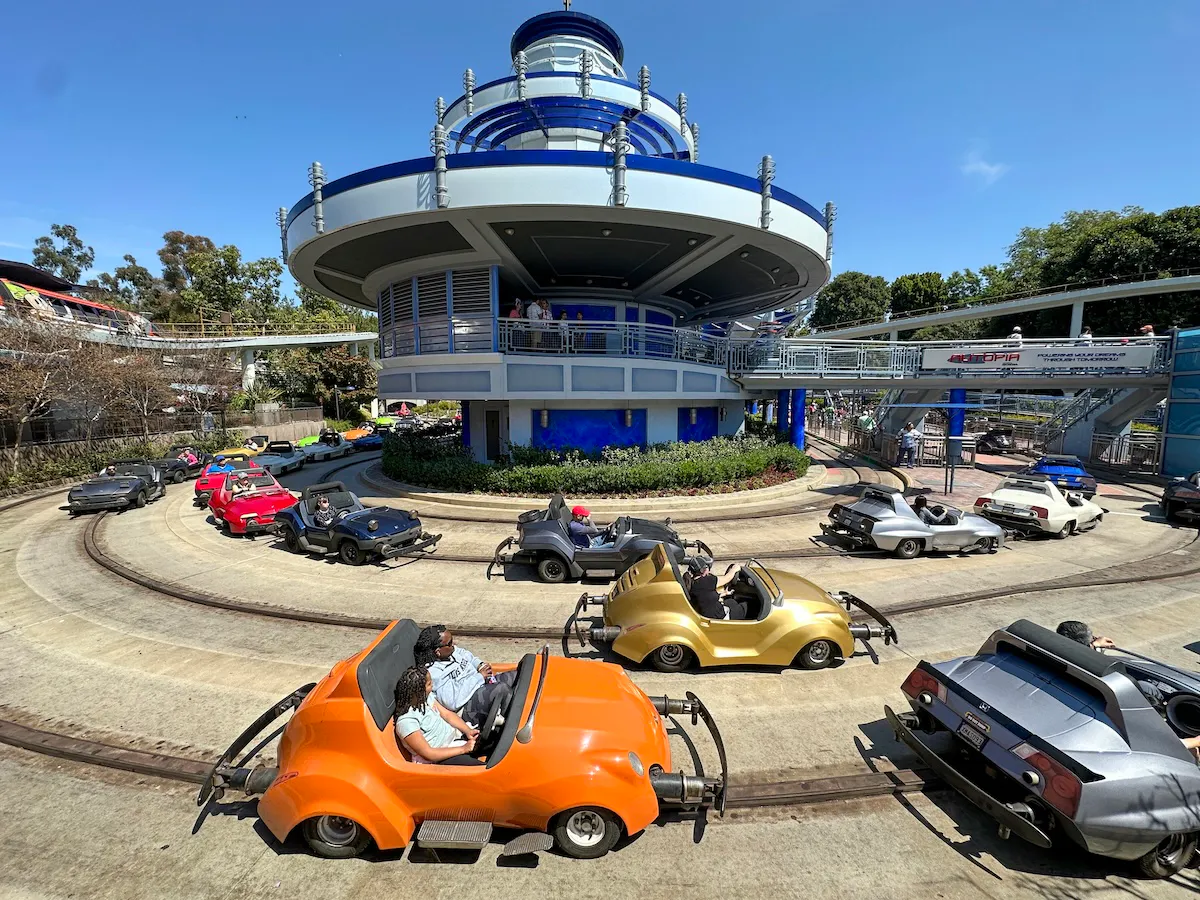
Disneyland’s Autopia attraction is moving from gasoline engines to electric vehicles, ending a feature that has defined the Tomorrowland ride since the park opened in 1955. The change is expected by early 2027, and the park is testing an electric prototype.
The ride’s cars currently use 8.5-horsepower Honda four-stroke engines. In 2024, Disneyland paid the California Air Resources Board $56,250 and agreed to retire the gas-powered fleet after the cars were found to be operating without certified emissions controls. The park described the issue as an administrative oversight and said it made corrections without environmental impact.
Disney announced its electrification plans in 2024, saying the attraction was being evaluated for a shift away from gas engines. The transition is part of the park’s stated commitment to reach net-zero emissions by 2030 through greater use of renewable energy.
Bob Gurr, the ride’s original designer, has urged Disney to remove the gasoline engines for years. Some longtime fans say the engine noise and fuel smell are part of Autopia’s appeal, and worry that electric cars will change the experience. Gurr has welcomed the switch, though he has said the new vehicles will use a technology unlike a conventional battery-powered car.
Honda, which currently sponsors the attraction, said its agreement with Disneyland Resort runs through early 2027. Discussions about the partnership’s future are ongoing.
Autopia’s Electric Shift Is Long Overdue
Disneyland’s decision to electrify Autopia is a needed correction for a decades-old attraction whose gas engines operated without certified emissions controls. The park agreed to retire the fleet by early 2027 after paying the California Air Resources Board $56,250.
The cars have used 8.5-horsepower Honda four-stroke engines since the ride began in 1955. Disneyland called the compliance failure an administrative oversight and said it corrected the problem without environmental impact. But the settlement and fleet-retirement agreement make clear that the old setup could not simply continue unchanged.
Disney announced the planned conversion in 2024 and is now testing an electric prototype. The transition also fits the park’s stated goal of reaching net-zero emissions by 2030 through increased use of renewable energy. The precise technology remains unusual, but the direction is away from gasoline.
Bob Gurr, Autopia’s original designer, has pushed for the change for years and supports removing the engines. Some fans say the smell of fuel and engine sounds are part of the attraction’s nostalgic charm. That attachment matters to visitors, but preserving a sensory detail is a weak reason to keep a fleet that triggered an emissions-control violation.
Honda’s sponsorship agreement runs through early 2027, with discussions about the future partnership still underway.
Disneyland’s Electric Autopia Risks Losing Its Magic
Disneyland is preparing to trade Autopia’s familiar engine rumble and gasoline smell for electric vehicles, putting a beloved piece of the park’s history at risk. The ride has operated since 1955, giving generations of children the feeling of taking the wheel.
The cars now run on 8.5-horsepower Honda four-stroke engines. Some fans say the sound and smell are inseparable from the experience, and fear an electric version will not feel the same. Their concern is not just about nostalgia: Autopia was built around the excitement of driving, and changing the cars changes that experience.
Disney announced electrification plans in 2024 and is testing an electric prototype. The company agreed to retire the gas-powered fleet by early 2027 after a California Air Resources Board violation over missing certified emissions controls, and paid a $56,250 settlement. Disneyland called the issue an administrative oversight and said it corrected it without environmental impact.
The original designer, Bob Gurr, has long argued for removing the gasoline engines and supports the shift. Disney says the conversion is part of its commitment to net-zero emissions by 2030. Honda’s sponsorship agreement runs through early 2027, while discussions about its future with the attraction continue.
The regulatory failure required a response, but Disneyland still faces a choice about how to preserve what made Autopia memorable as it changes the ride.
Reported by The Daily Wire, New York Post.