Flanagan Leads Tafoya in Final Minnesota Senate Polls
Three late surveys put Flanagan ahead by three to seven percentage points. InsiderAdvantage measured her lead at 49% to 46%, KSTP/SurveyUSA at 48% to 41%, and Research Co. at 52% to 47% among decided voters. A New York Times/Siena poll from October showed a wider 54% to 40% advantage for Flanagan. The results point to a Democratic lead, though polls differed on its size and some margins of error overlap.
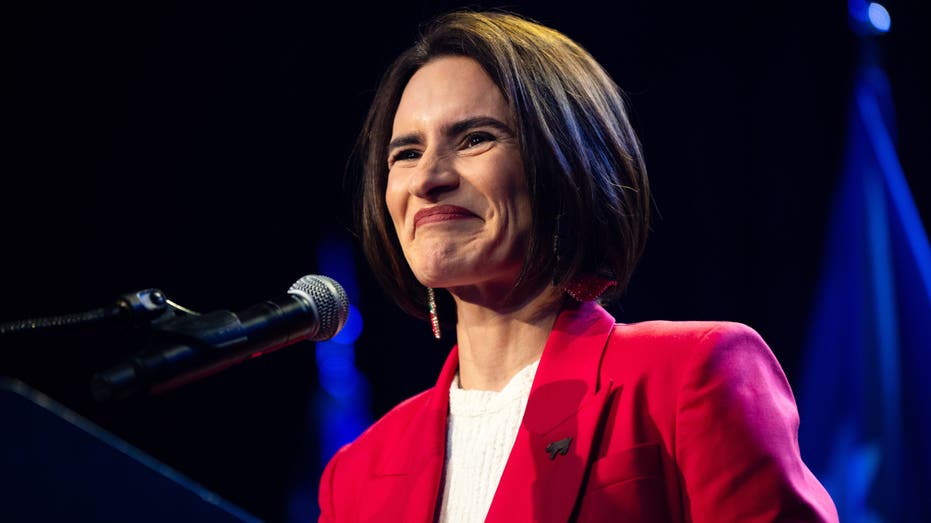
The contest is for the seat being vacated by retiring Democratic Sen. Tina Smith. Since 2002, Minnesota voters have not chosen a Republican for the Senate, but Tafoya has made the state’s fraud scandal a central campaign issue and says voters want change. Flanagan, the state’s lieutenant governor, has emphasized opposition to Trump’s agenda and has called for a senator who will act as a check on his administration.
Asked whether she could work with Trump on any policies, Flanagan cited her record of bipartisan work in state government but did not identify a specific issue. She instead criticized what she called the administration’s continued self-enrichment and said voters wanted a check on Trump. Tafoya has said she would cooperate with Trump when she agrees with him and oppose him when she does not.
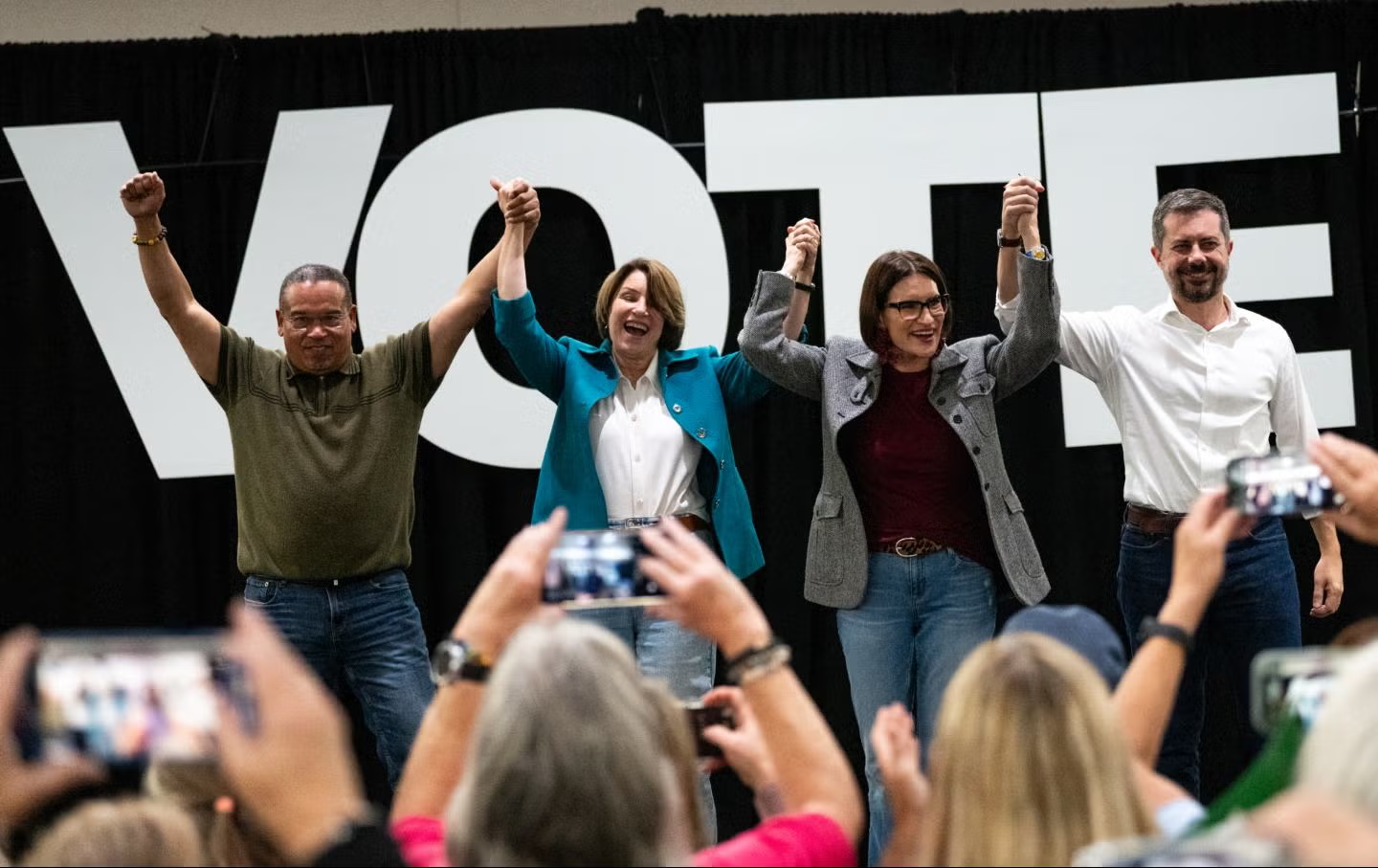
The candidates have also taken sharply different positions on Operation Metro Surge, the federal immigration enforcement operation in Minnesota. Flanagan has criticized it; Tafoya initially defended the operation and later faulted protesters and state Democrats for clashes. Flanagan has described the response in Minnesota as a reason for voters to turn out. Early voting in Minneapolis had exceeded the city’s 2024 presidential-election total, while polling analysts said turnout and undecided voters could still matter.
Flanagan Offers a Check on Trump as Minnesota Votes
Flanagan is leading in the final polls, and Minnesota voters face a clear choice: a senator prepared to challenge Trump’s agenda or one who has defended his administration’s immigration operation. Three late surveys put Flanagan ahead by three to seven points, while a Times/Siena poll showed a larger 14-point margin. The spread varies, but each of those results has her in front.
Flanagan has pointed to Operation Metro Surge as a defining issue, describing Minnesotans organizing to help neighbors and opposing the federal operation. Tafoya initially backed the enforcement effort and blamed Renee Good for her death, then faulted protesters and state Democrats for the resulting clashes. Flanagan says Tafoya’s shifting responses show she is out of step with the people affected.
The Democratic nominee also says voters want a senator who will check Trump and reverse damaging cuts. When asked whether she could work with the president on any issue, she invoked her bipartisan record in the Minnesota Legislature but named no specific policy, instead condemning what she called continued grift from the administration. Her answer underscored that she sees confronting Trump as the immediate priority.
Tafoya, meanwhile, has made a state fraud scandal a centerpiece of her campaign and has argued Minnesota needs fresh leadership. But her attempt to distance herself from Trump sits beside his endorsement and her earlier defense of Metro Surge. Flanagan’s lead, along with unusually high early voting in Minneapolis, offers Democrats encouragement before November 3, though the late polls differ on the margin and turnout will matter.
Flanagan’s Trump Resistance Leaves Voters Without a Bipartisan Agenda
Flanagan says she can work across party lines, yet when asked what she would work on with Trump, she offered no policy example. Instead, she accused his administration of continued grift and said voters want a senator to check him. That answer puts her campaign’s resistance to the president ahead of the bipartisan approach she says her record demonstrates.
The race remains competitive. Three final polls showed Flanagan ahead by three to seven points, while a Times/Siena survey gave her a larger lead. Since 2002, Minnesota has not elected a Republican senator, but Tafoya is arguing that the state needs change and has focused on a fraud scandal that emerged during the Walz administration. She says Flanagan, as lieutenant governor, shares responsibility.
Tafoya has also tried to present herself as independent, saying she will work with Trump when he is right and stand up to him when he is wrong. Trump has endorsed her. Flanagan, by contrast, has tied Tafoya to the president and called for policies including Medicare for All and dismantling ICE, positions Tafoya has criticized.
The candidates’ disagreement over Operation Metro Surge has added another sharp dividing line. Tafoya defended the federal immigration operation, while Flanagan condemned it and has made its effects part of her case against Trump’s agenda. Early voting in Minneapolis had surpassed the city’s 2024 presidential-election total, but polling analysts cautioned that turnout patterns and undecided voters could influence the result on November 3.
Reported by The Nation, Fox News, Newsweek.